Future Parks Accelerator
A £14 million joint venture between The National Lottery Heritage Fund and the National Trust

Case study
United Kingdom
Joint venture
Parks keep citizens healthy, soften hard urban landscapes, help to clean the air and provide crucial homes for wildlife. Green spaces also contribute to better mental and physical health. But across the UK, parks have been moved down on the council's priorities list, despite a growing public demand for green spaces.
Context and problems addressed
In the United Kingdom, homeless young people who are not in education, training or employment are defined as not being in priority need under the current homelessness legislation. They also face a range of barriers to securing and sustaining accommodation and employment.
Due to the complexity of their needs and circumstances, existing services often fail to adequately support them. These vulnerable young people therefore need coordinated support that can holistically address their housing, educational, and employment needs.
Intervention and financing model
Future Parks Accelerator (FPA) is an innovative partnership (2019 - 2022) that was created in response to the continuing decline in local authority funding for parks and green spaces. It aims to develop ambitious and sustainable solutions to protect, enhance and put public parks and green spaces to greater use, with the ultimate aim to create healthy and climate-resilient cities. In total, nine areas from across the country were selected through a competitive process to be part of the programme, covering a population of 5 million inhabitants.
The pioneering programme was a £14 million joint venture between The National Lottery Heritage Fund and the National Trust. The Department for Levelling Up, Housing and Communities also invested £1.2m.
In total, the Future Parks Accelerator brought in new investment worth almost £43 million.
Key outcomes and associated measurements
FPA activities have successfully supported the case for budgets to be protected in most places, as well as leveraging investment in new capital, revenue and project funding. In total, it brought in new investment worth almost £43 million. Staff from the local authorities involved in the initiative have taken the learnings from FPA to co-create 10 conclusions to help others improve the use of green spaces in urban environments.
Related case studies

Case study name
Type of financing model
1-sentence description of case study
Case study name
Type of financing model
1-sentence description of case study
Case study name
Type of financing model
1-sentence description of case study
Images to be replaced
About EuroHealthNet
Building a healthier future for all by addressing the determinants of health and reducing inequalities.
EuroHealthNet is the Partnership of public health agencies and organisations building a healthier future for all by addressing the determinants of health and reducing inequalities. Our focus is on preventing disease and promoting good health by looking within and beyond the health system.
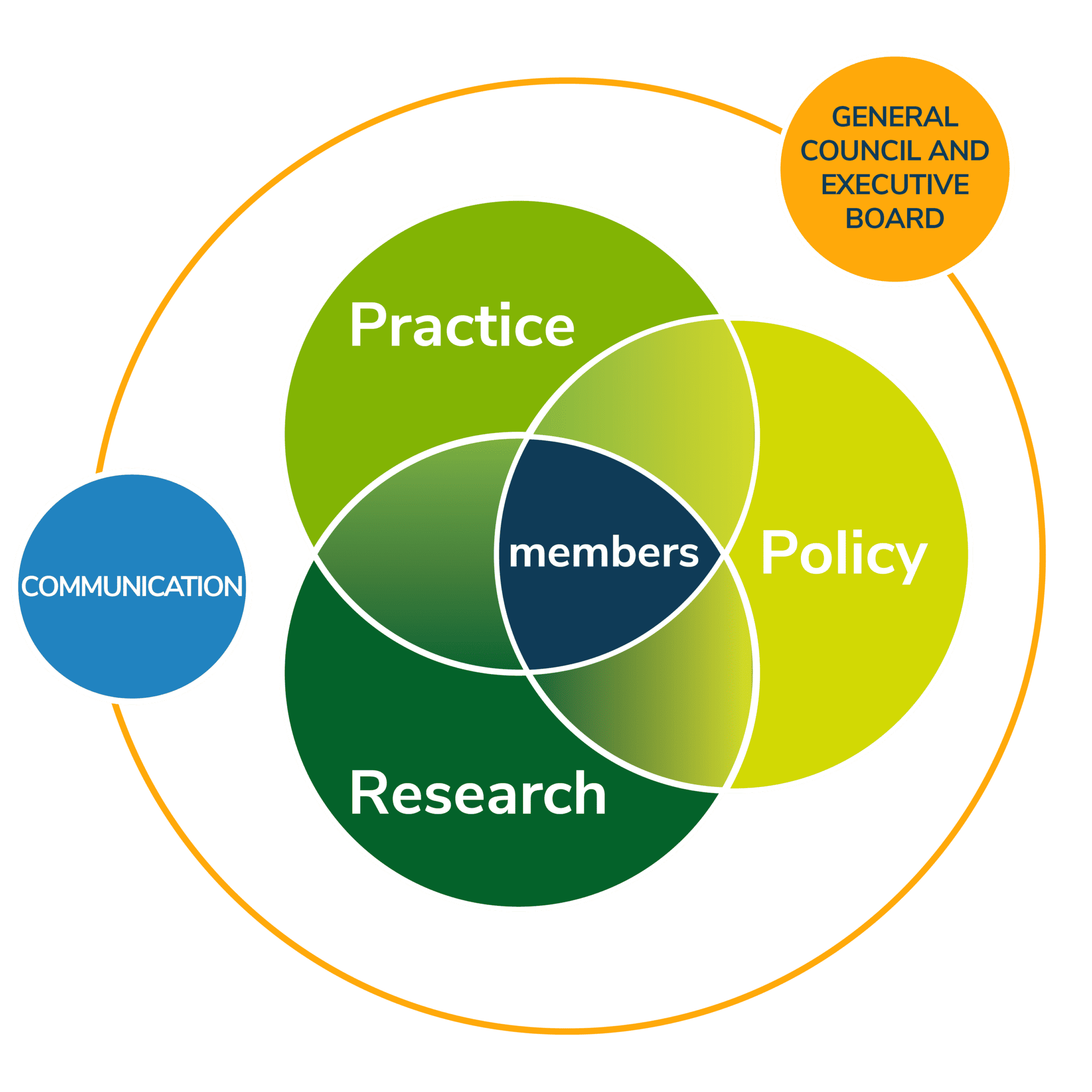
Structuring our work over a policy, a practice, and a research platform, we focus on exploring and strengthening the links between these areas.
Our approach focuses on integrated concepts to health, reducing health inequality gaps and gradients, working on determinants across the life course, whilst contributing to the sustainability and wellbeing of people and the planet.
EuroHealthNet is co-funded by the European Union. However, the information and views set out on this website are those of the author and do not necessarily reflect the official opinion of the European Commission. The Commission does not guarantee the accuracy of the data included on this website. Neither the Commission nor any person acting on the Commission's behalf may be held responsible for the use which may be made of the information contained therein.