



EuroHealthNet Guide for Financing Prevention and Health Promotion
1.
Why does prevention and health promotion matter?
Prevention and health promotion are complementary, mutually reinforcing approaches that improve population health and create the conditions for people to live well across their lives.
Health promotion is a strategic approach to improving population health by addressing the social and environmental factors that shape it – including education, employment, housing, and community infrastructure.
Unlike disease prevention, which targets specific health risks, health promotion improves overall wellbeing and builds resilience. It both encourages more individual control over health and supports reshaping the conditions in which people live, work, and age—what we call the social determinants of health.
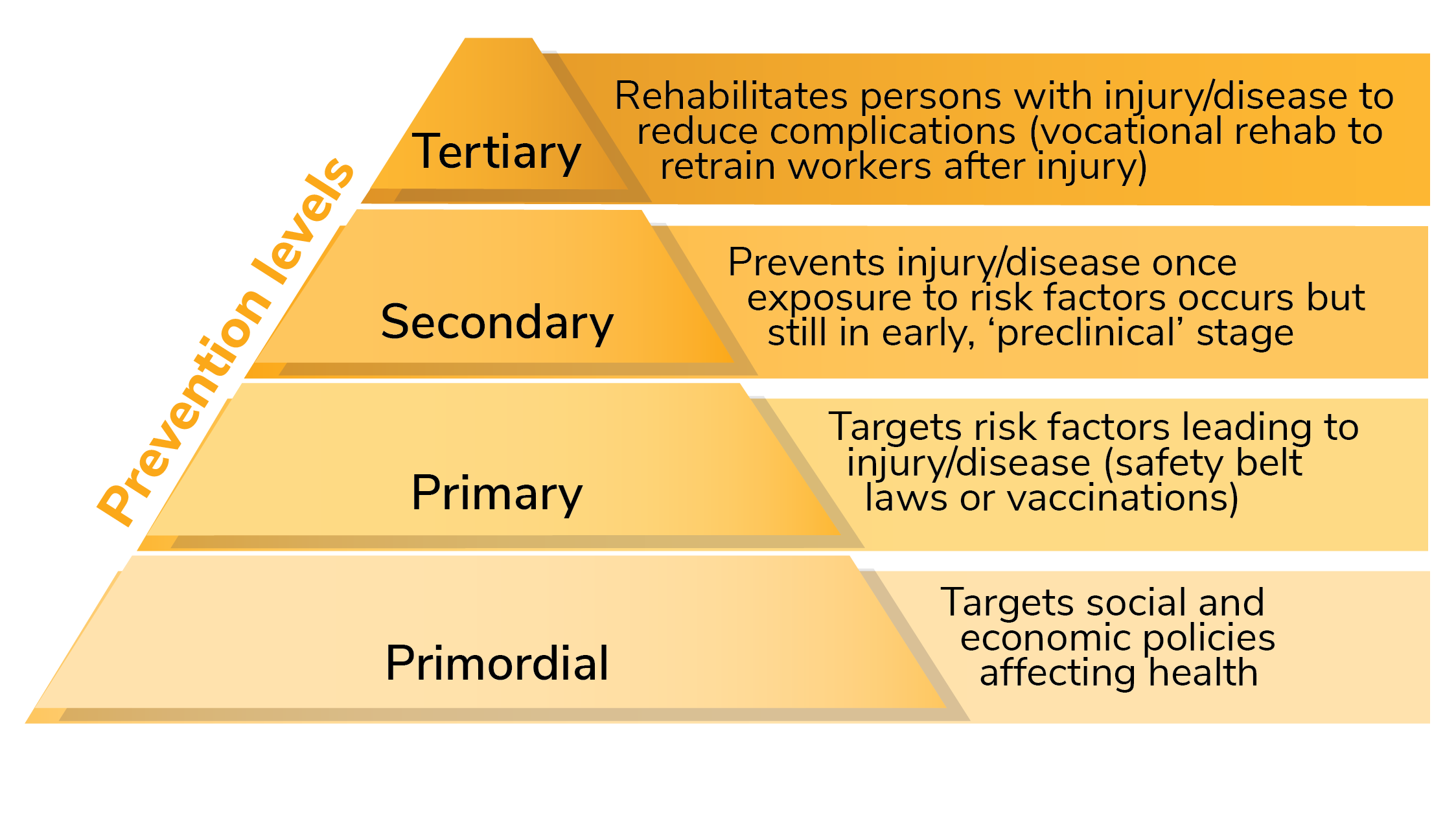
Prevention aims to reduce the likelihood and impact of illness and injury across multiple levels: primordial prevention stops harmful social, environmental, and behavioural conditions from arising; primary prevention reduces risks before disease occurs; secondary prevention detects and manages conditions early; and tertiary prevention minimises complications and supports quality of life.
Why it matters
Healthier populations are more productive, resilient, and able to contribute fully to society — making health a cornerstone of Europe’s economic competitiveness. Yet across Europe, ageing populations, rising chronic disease, changing public expectations, climate change, and migration challenges are driving demand for care to historic highs, while public systems face stagnant budgets and declining service standards. This trajectory is unsustainable.
Health is also a core pillar of Europe’s security. Investing in prevention and health promotion strengthens societal resilience, reduces structural vulnerabilities, and helps systems withstand demographic, environmental, and geopolitical shocks.
In 2022, an estimated 2.4 million potential productive life years were lost in the EU due to premature deaths among the working-age population. Most of these deaths were caused by noncommunicable diseases (NCDs). Preventable cancers, cardiovascular diseases, and alcohol-related conditions together accounted for more than half of all preventable deaths.
Shifting spending priorities from treatment to prevention and health promotion can delay or prevent illness, reduce avoidable care needs, and keep people active, independent, and in the workforce longer. This improves quality of life, boosts workforce participation, and relieves pressure on health and social systems.
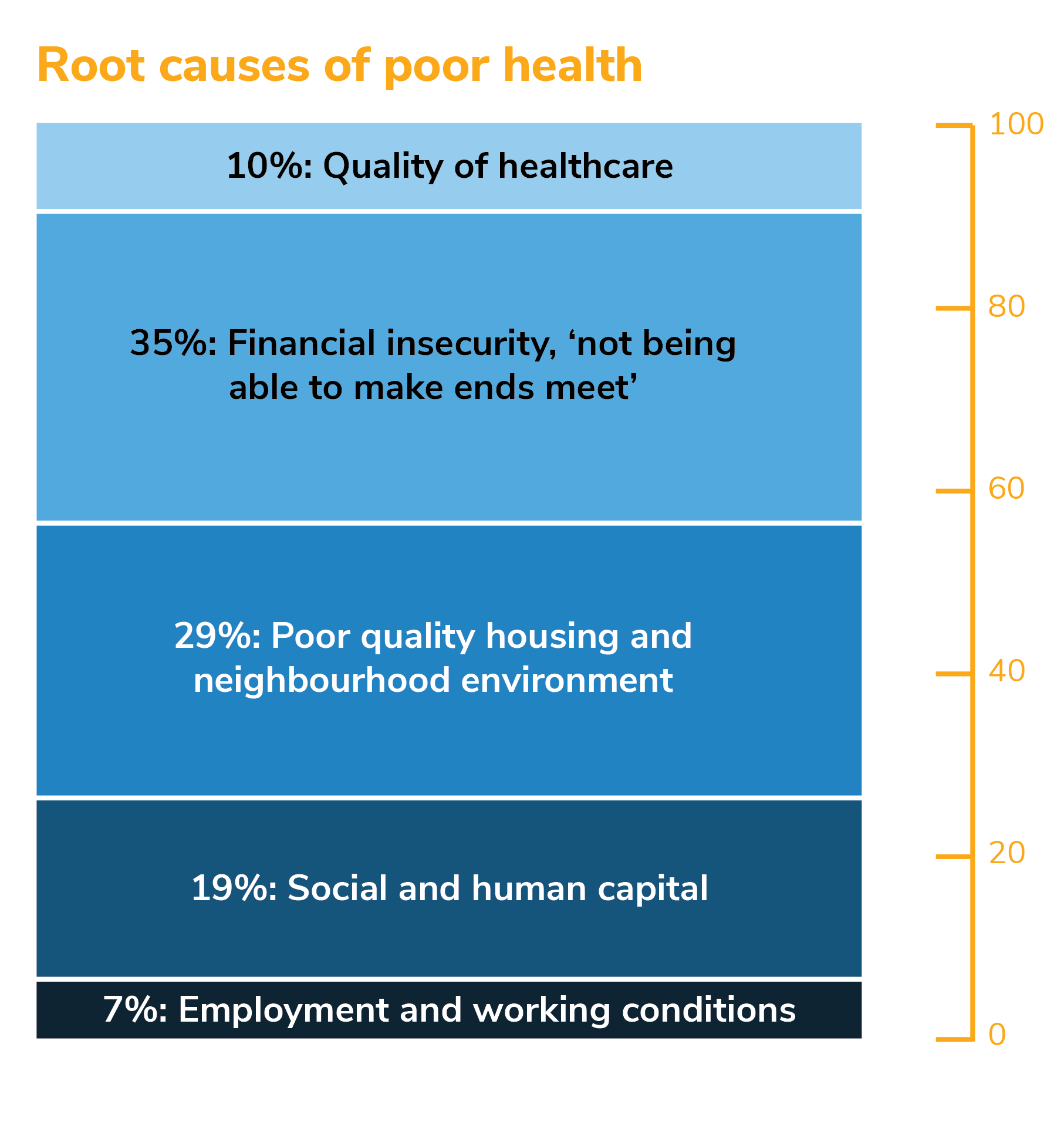
Despite the clear benefits, most health spending still focuses on treating illness, rather than addressing its root causes. According to WHO Europe, 90% of health inequalities stem from just five conditions, and only 10% are related to healthcare access
- Inadequate work
- social exclusion
- poor housing
- income insecurity
- access to care.
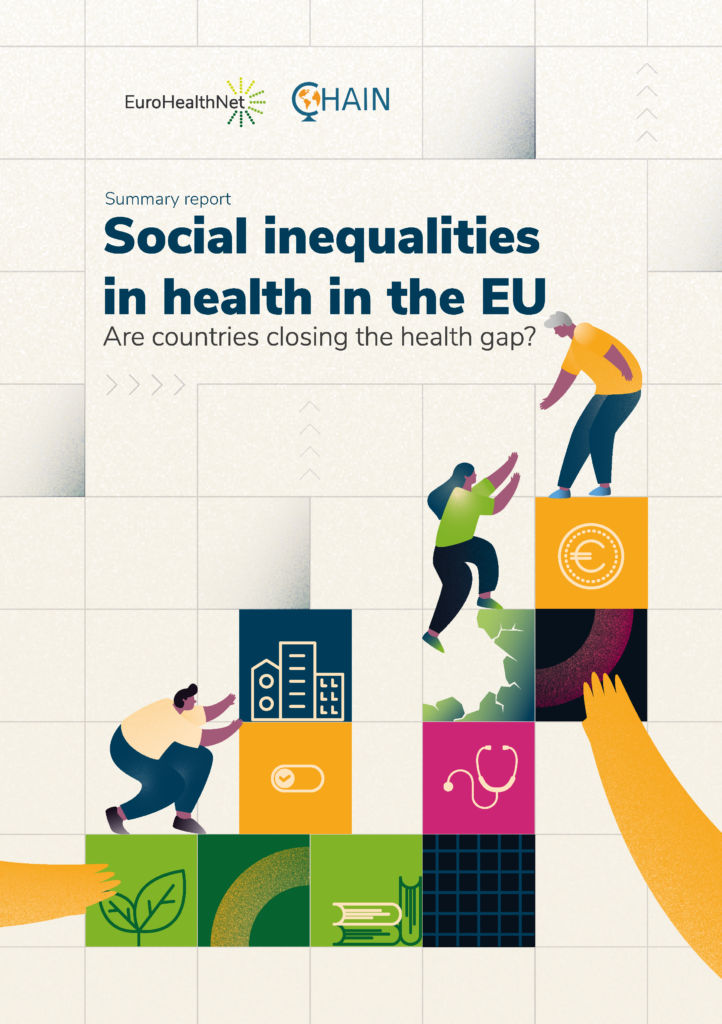
Social inequalities in health in the EU
Are countries closing the health gap?
This report by EuroHealthNet and the Centre for Health Equity Analytics (CHAIN) used the latest comparable data from across Europe to measure the scale of health inequalities and the social and economic forces driving them. Read the report for:
- An overview of health and health inequalities in the EU
- An overview of (sub-)national approaches to improve health equity
- An overview of EU-level action
- A deep dive into the EU Social Scoreboard and the need for disaggregated data
- Recommendations for policymakers at the (sub-)national and EU-level
Who is responsible for prevention and health promotion and how is it delivered?
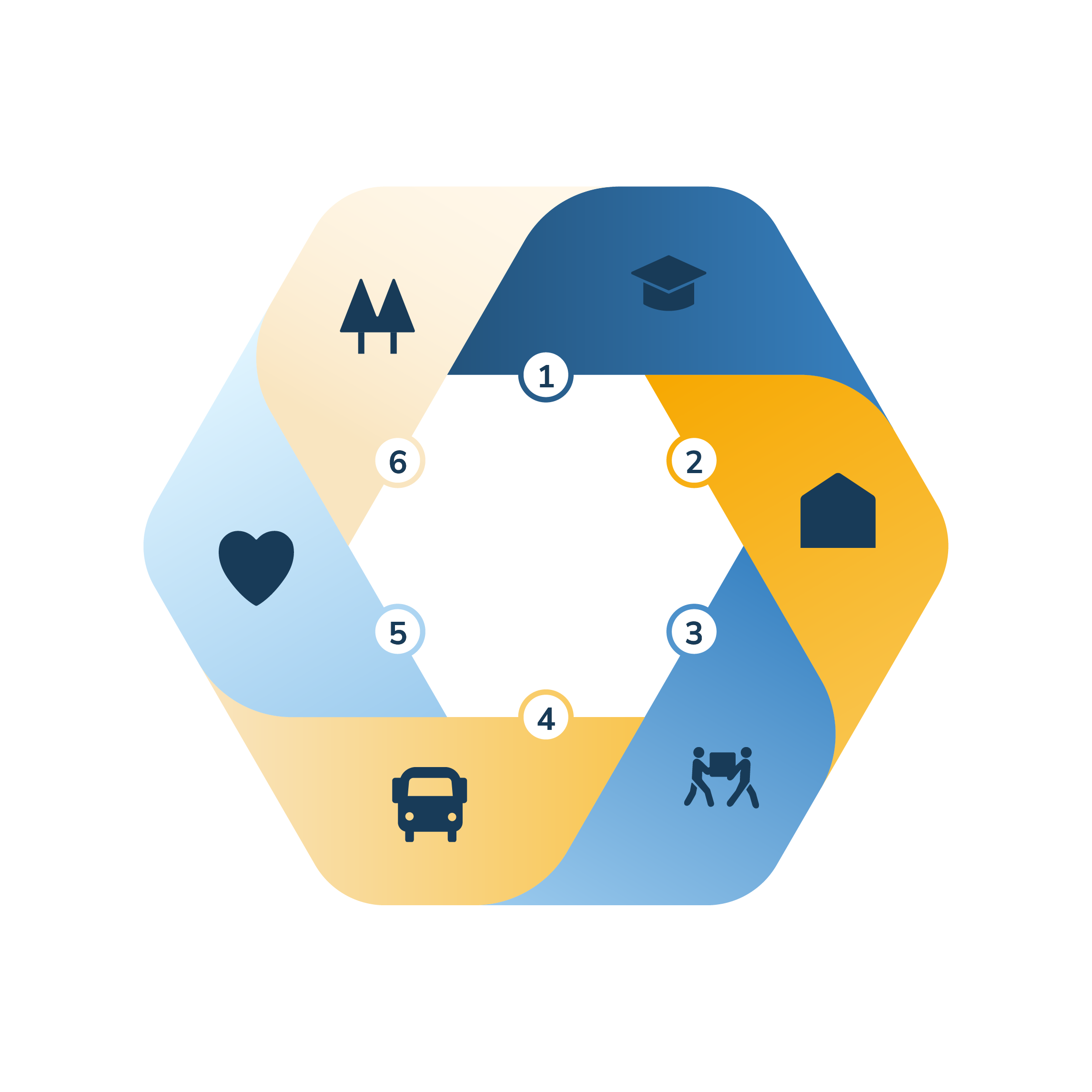
Prevention and health promotion happens across many sectors. While healthcare and public health professionals play a role, the conditions that shape health are influenced elsewhere.
- Education builds health literacy and lifelong skills that influence employability, income and health behaviours.
- Housing provides safe, stable environments that reduce stress and exposure to illness.
- Employment and labour sectors affect income, working conditions and access to health-supporting benefits.
- Urban planning and transport influence physical activity, air quality, and access to green and blue spaces.
- Social services provide safety nets that reduce poverty and vulnerability.
- Environmental policies protect people from harmful exposures and support healthier living.
Prevention and health promotion requires coordinated action across these areas. Healthier societies are shaped by the systems that surround us, not just the services that treat us.
Time to close the gap and act smarter
Health promotion requires cross-sectoral collaboration and long-term funding – both of which are currently lacking. While recovery funds helped in the wake of COVID-19, a €150 billion annual investment gap in Europe's social infrastructure remains.
Bridging that gap is not only urgent – it is economically rational. Population health is essential for a fairer, more sustainable future. It’s time to shift from short-term fixes to long-term vision—and reorient policies and investments toward sustainable health systems that work for people and economies alike.
What's next?
Find out why investing in prevention and health promotion is smart.
About EuroHealthNet
Building a healthier future for all by addressing the determinants of health and reducing inequalities.
EuroHealthNet is the Partnership of public health agencies and organisations building a healthier future for all by addressing the determinants of health and reducing inequalities. Our focus is on preventing disease and promoting good health by looking within and beyond the health system.
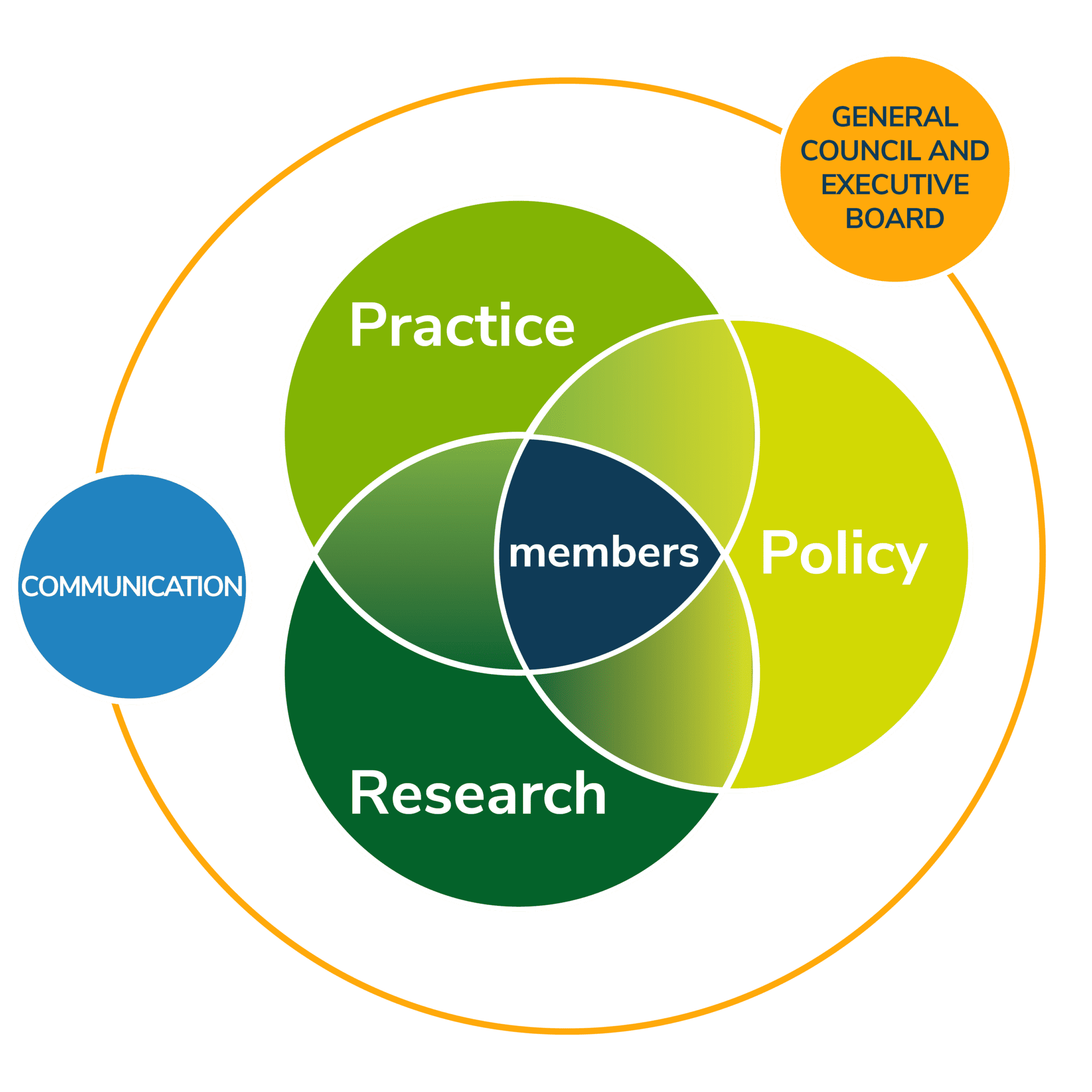
Structuring our work over a policy, a practice, and a research platform, we focus on exploring and strengthening the links between these areas.
Our approach focuses on integrated concepts to health, reducing health inequality gaps and gradients, working on determinants across the life course, whilst contributing to the sustainability and wellbeing of people and the planet.
EuroHealthNet is co-funded by the European Union. However, the information and views set out on this website are those of the author and do not necessarily reflect the official opinion of the European Commission. The Commission does not guarantee the accuracy of the data included on this website. Neither the Commission nor any person acting on the Commission's behalf may be held responsible for the use which may be made of the information contained therein.