



EuroHealthNet Guide for Financing Prevention and Health Promotion
2.2.3
More effective and new collaborations
Evidence shows that cross-sector collaboration can play an important role in designing, implementing, and financing effective health-promoting services. These collaborations can take many forms, including formal joint ventures, public-private partnerships, or coordinated efforts with insurance and pension funds. They offer a range of different sectors the opportunity to become involved in aligning their work towards common targets and view health promotion as a shared investment.


Working within the health sector
Health insurance funds are well-positioned to support preventive services by recognising the long-term savings generated through improved population health.
In several European countries, like Germany or the Netherlands, legislative and policy frameworks enable insurance funds to finance public health services and targeted interventions This has huge potential for combining well-planned health promoting services and sustainable financing.
Similarly, institutional investors such as pension funds have an interest in supporting healthy ageing and productivity, and can become active stakeholders in financing interventions that improve long-term health outcomes.
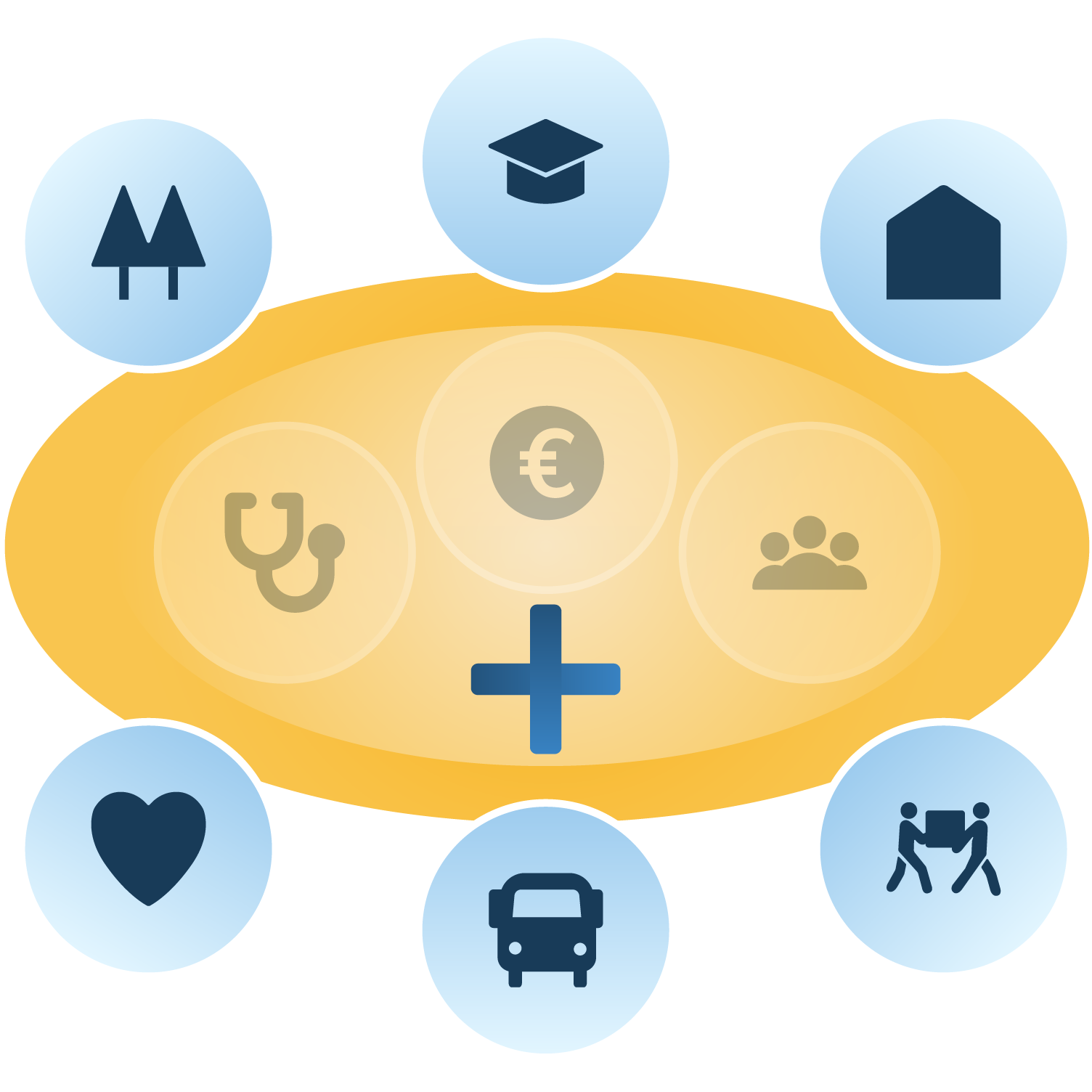
Going beyond the health sector
Beyond the health sector, partnerships with other public sectors, private companies, voluntary associations, local authorities, and civil society organisations open new pathways for co-designing and delivering impactful interventions.
These collaborations can take many forms — from formalised joint ventures to community-driven alliances — each with their own mechanisms for pooling resources, sharing risks, and generating value. Public-private partnerships, when structured ethically, transparently and guided by public health priorities, can help address complex health and social challenges by bringing in new skills, networks, and funding to scale up interventions.
Such collaborations are most effective when built on transparency, accountability, and equitable risk-sharing, which safeguard public trust and ensure alignment with health system goals.
The ability to pool resources across these sectors aligns closely with the , enabling more efficient and impactful use of available funds while addressing complex health and social challenges.
Related case studies
Insurance funds

The Prevention Act in Germany

Health insurance funds – Combined Lifestyle Interventions in the Netherlands
Public-private partnership

Addressing maternal mortality and morbidity in California through public-private partnerships
Joint venture

Future Parks Accelerator
Beyond the health sector

Maintaining employability through the TErrA Project in Germany

‘Finance for Nature Positive’ initiative
About EuroHealthNet
Building a healthier future for all by addressing the determinants of health and reducing inequalities.
EuroHealthNet is the Partnership of public health agencies and organisations building a healthier future for all by addressing the determinants of health and reducing inequalities. Our focus is on preventing disease and promoting good health by looking within and beyond the health system.
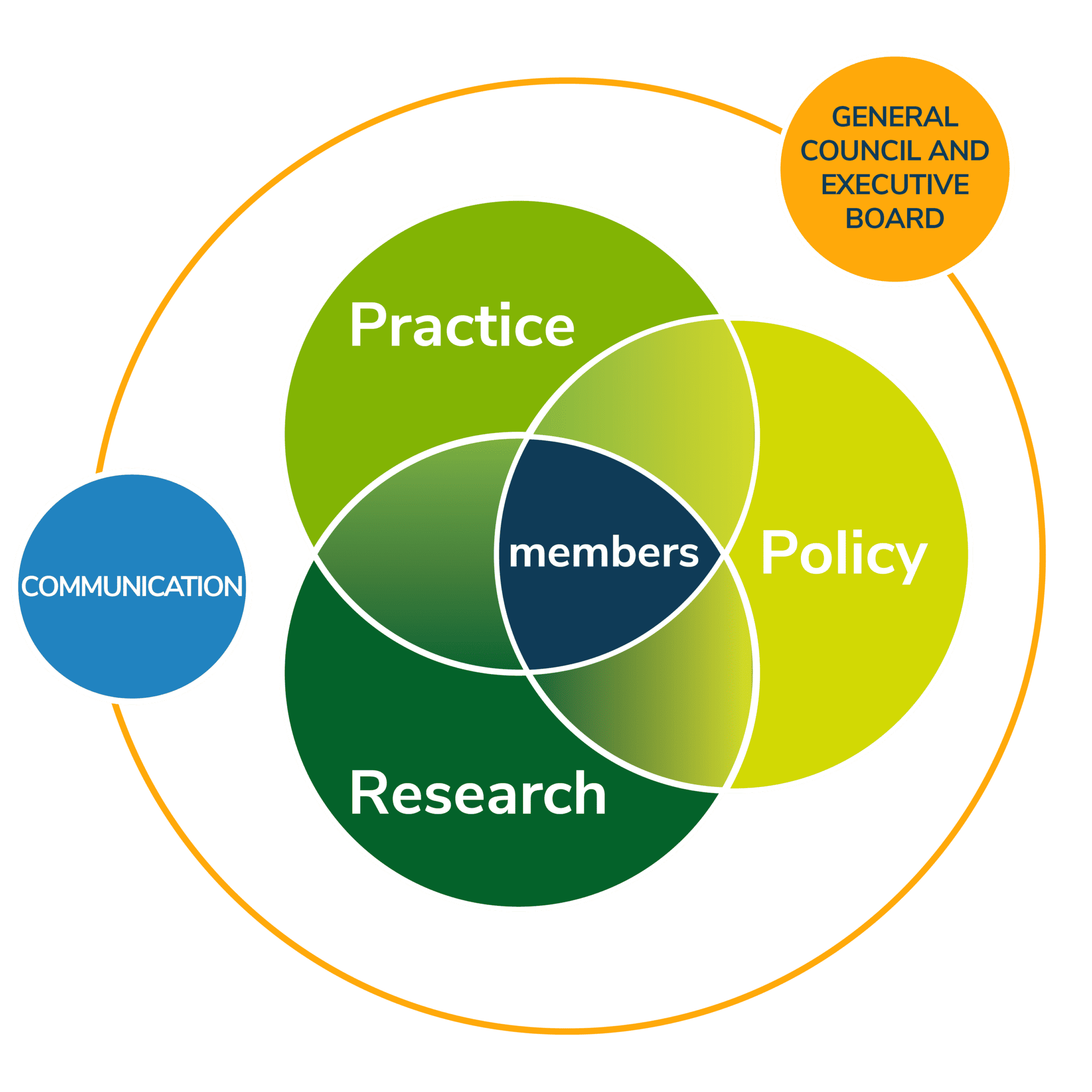
Structuring our work over a policy, a practice, and a research platform, we focus on exploring and strengthening the links between these areas.
Our approach focuses on integrated concepts to health, reducing health inequality gaps and gradients, working on determinants across the life course, whilst contributing to the sustainability and wellbeing of people and the planet.
EuroHealthNet is co-funded by the European Union. However, the information and views set out on this website are those of the author and do not necessarily reflect the official opinion of the European Commission. The Commission does not guarantee the accuracy of the data included on this website. Neither the Commission nor any person acting on the Commission's behalf may be held responsible for the use which may be made of the information contained therein.