



EuroHealthNet Guide for Financing Prevention and Health Promotion
How to get started
Stage 3: Build cross-sectoral alliances
This stage supports decision-makers and practitioners in identifying and engaging the partners necessary to design and deliver Smart Capacitating Investment (SCI) initiatives. It explains how to build alliances that bridge sectors such as health, finance, education, social care, environment, and urban development - ensuring collaboration, fostering trust, shared risks and accountability.
Because SCI models depend on collective investment and co-benefits, success relies on aligning diverse partners with different mandates, incentives, and time horizons - whether that involves two organisations or many. This brief also highlights how to apply ethical principles to partnership design - ensuring fairness, risk-sharing, transparency, and equitable participation of all stakeholders, including communities affected by the intervention.
What you will learn
- Identify and map key stakeholders, both existing and potential new partners.
- Assess stakeholder influence, interest, and alignment with your initiative’s goals.
- Engage “unusual allies” from sectors like finance, housing, or digital innovation.
- Develop ethical and inclusive governance mechanisms for partnership management.
- Communicate shared value and build trust across diverse actors.
Key concepts and rationale
Health promotion and disease prevention depend on many systems - education, employment, housing, urban planning, and environment - that shape health outcomes. Smart Capacitating Investment works by aligning financial, social, and ethical value creation across whichever of these systems are relevant, whether through a targeted partnership between two actors or a broader cross-sectoral collaboration.
Cross-sectoral alliances enable pooling of resources, coordination of action, and shared accountability for outcomes. Yet such collaborations also introduce challenges such as: misaligned or differing incentives, power asymmetries, and risks of mission drift. Ethical partnership co-design helps address these challenges by:
- Ensuring transparency around financial interests and decision-making.
- Embedding trust and fairness in governance, benefit- and risk-sharing.
- Including affected communities as legitimate co-creators, not just beneficiaries.
Cross-sectoral alliances enable pooling of resources, coordination of action, and shared accountability for outcomes.
In summary, strong alliances need to accommodate both the technical (well-structured, resourced, and governed) and moral (rooted in fairness, inclusion, and mutual respect) elements in their design.
Practical steps
Once you have defined a clear, context-specific initiative (see Stage 2 for choosing the right intervention), the next step is to identify who needs to be involved to make it viable, legitimate, and sustainable. Cross-sectoral alliances are not an “add-on” — they are often essential for mobilising broader sources of finance.
Key messages and next steps
- Many prevention initiatives cannot be financed or delivered in isolation, particularly those addressing systemic or social drivers of health. Cross-sectoral alliances are often essential in these cases, as identified through the problem framing process in Stage 2.
- Start from a clearly defined initiative. Partnerships should be built around a well-framed problem and intervention, not around abstract collaboration.
- Shared value builds durable alliances. Understanding different motivations, incentives, and constraints is key to sustained cooperation and long-term viability.
Once key partners are identified and engaged, the next challenge is ensuring that goals, rewards, and risks are aligned across actors.
See Stage 4: Aligning incentives across sectors to explore how to design win–win arrangements that support implementation and sustainability.
Related case studies

Portugal’s projeto família social impact bond

The Brabant Outcomes Fund
What comes next?
About EuroHealthNet
Building a healthier future for all by addressing the determinants of health and reducing inequalities.
EuroHealthNet is the Partnership of public health agencies and organisations building a healthier future for all by addressing the determinants of health and reducing inequalities. Our focus is on preventing disease and promoting good health by looking within and beyond the health system.
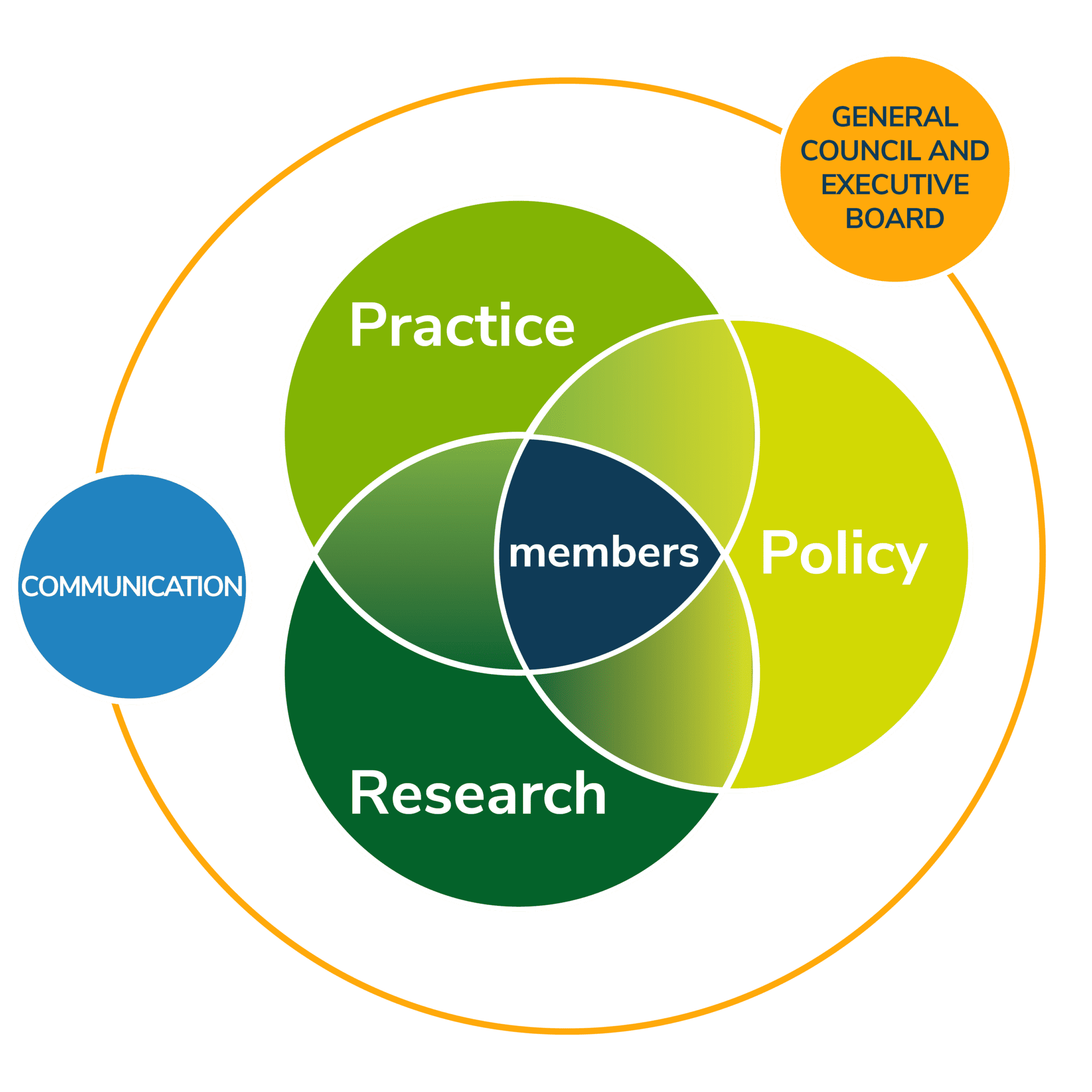
Structuring our work over a policy, a practice, and a research platform, we focus on exploring and strengthening the links between these areas.
Our approach focuses on integrated concepts to health, reducing health inequality gaps and gradients, working on determinants across the life course, whilst contributing to the sustainability and wellbeing of people and the planet.

EuroHealthNet is co-funded by the European Union. However, the information and views set out on this website are those of the author and do not necessarily reflect the official opinion of the European Commission. The Commission does not guarantee the accuracy of the data included on this website. Neither the Commission nor any person acting on the Commission's behalf may be held responsible for the use which may be made of the information contained therein.