



EuroHealthNet Guide for Financing Prevention and Health Promotion
2.2.5
Pooling and repurposing of existing resources
Many European countries face growing demands on their health systems alongside constrained public budgets. In this context, innovation in health promotion financing is not only about new funding, but also about using existing resources more effectively.
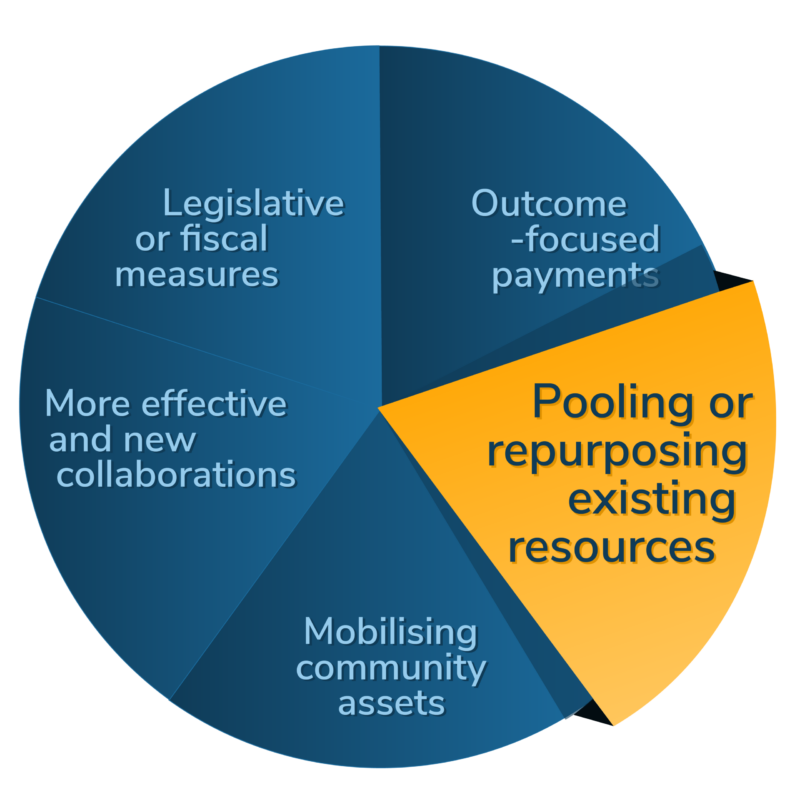
Repurposing of existing resources
This includes identifying areas where current spending delivers limited value and redirecting those funds toward preventive and health-promoting interventions that are effective and aligned with population needs.
Research from the OECD estimates that around 20% of health expenditure in high-income countries may be considered wasteful with no or minimal contribution to good health outcomes, including overtreatment, administrative inefficiencies, and suboptimal resource use.
In this context, the concept of “disinvesting to reinvest” has gained momentum. This approach refers to systematically identifying and withdrawing resources from low-value interventions, services, or processes, and reallocating those freed-up resources toward areas that have stronger evidence of impact. The objective is not only to cut costs, but to maximise the value of public spending. Tools like programme budgeting and marginal analysis, health technology assessment (HTA), or prioritisation frameworks have been used to guide these decisions in a transparent, systemic, and evidence-based way.
Pooling of resources
But reallocation alone is not enough. To effectively respond to current and emerging health challenges, health systems must also innovate. This involves rethinking how health promotion is delivered, who delivers it, and how it is financed.
Effective innovation also requires flexible funding models. Traditional health budgets are often siloed, making it difficult to invest in approaches that span across sectors. Yet, many drivers of health – such as education, employment, housing, and the environment – are shaped outside the health sector.
Investing in structures that enable shared data, joint planning, and co-financing with other sectors can amplify the impact of health promotion interventions and help address these broader determinants of health.
Collaborative efforts across sectors, such as those outlined in more in the section on 'More effective and new collaborations', play a crucial role in pooling resources and aligning investments toward shared health goals.

Related case studies

The Prioritisation Framework for public health investments – Public Health England

The national programme budgeting and marginal analysis in Wales
About EuroHealthNet
Building a healthier future for all by addressing the determinants of health and reducing inequalities.
EuroHealthNet is the Partnership of public health agencies and organisations building a healthier future for all by addressing the determinants of health and reducing inequalities. Our focus is on preventing disease and promoting good health by looking within and beyond the health system.
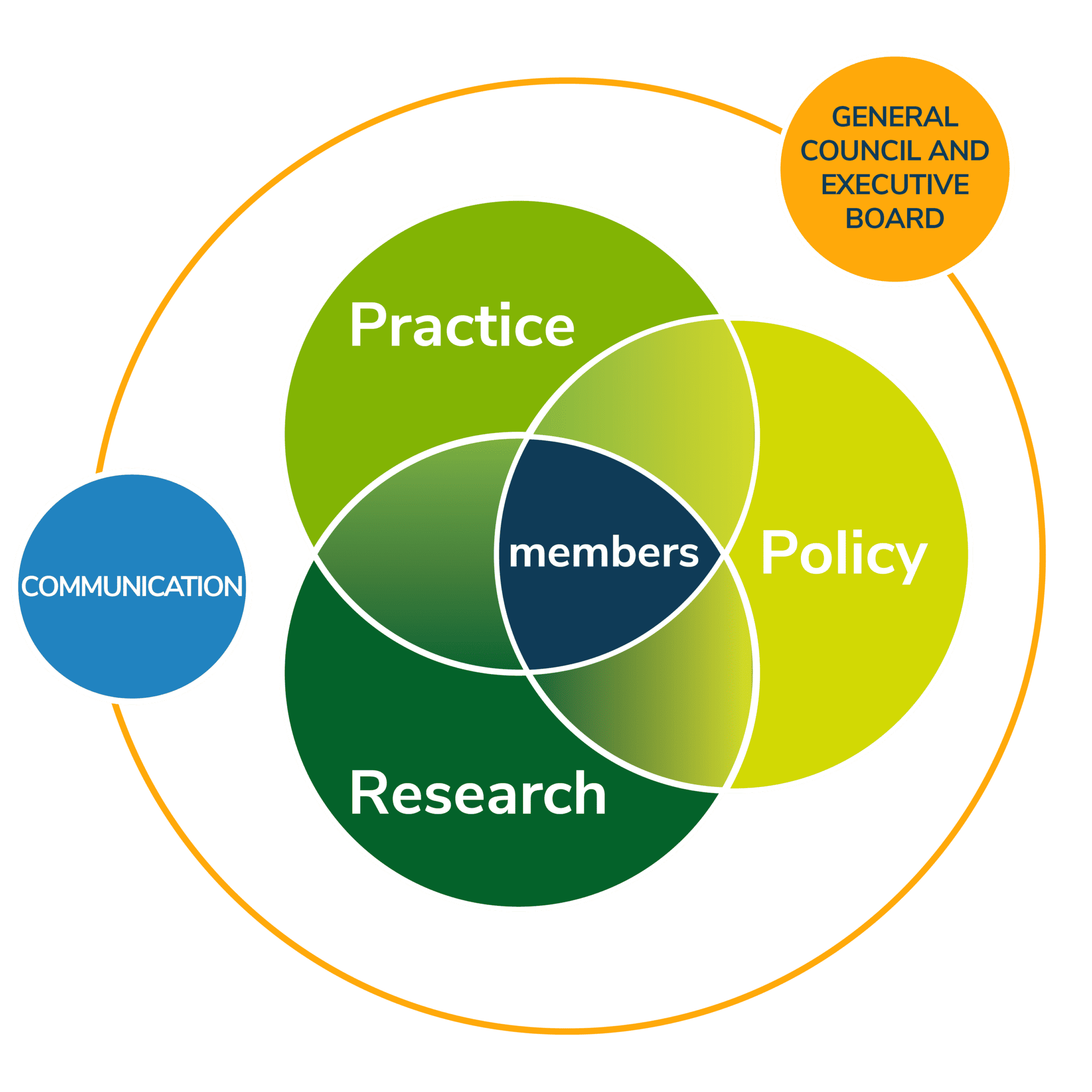
Structuring our work over a policy, a practice, and a research platform, we focus on exploring and strengthening the links between these areas.
Our approach focuses on integrated concepts to health, reducing health inequality gaps and gradients, working on determinants across the life course, whilst contributing to the sustainability and wellbeing of people and the planet.

EuroHealthNet is co-funded by the European Union. However, the information and views set out on this website are those of the author and do not necessarily reflect the official opinion of the European Commission. The Commission does not guarantee the accuracy of the data included on this website. Neither the Commission nor any person acting on the Commission's behalf may be held responsible for the use which may be made of the information contained therein.