



The Prioritisation Framework for public health investments
Public Health England
Case study
England, United Kingdom
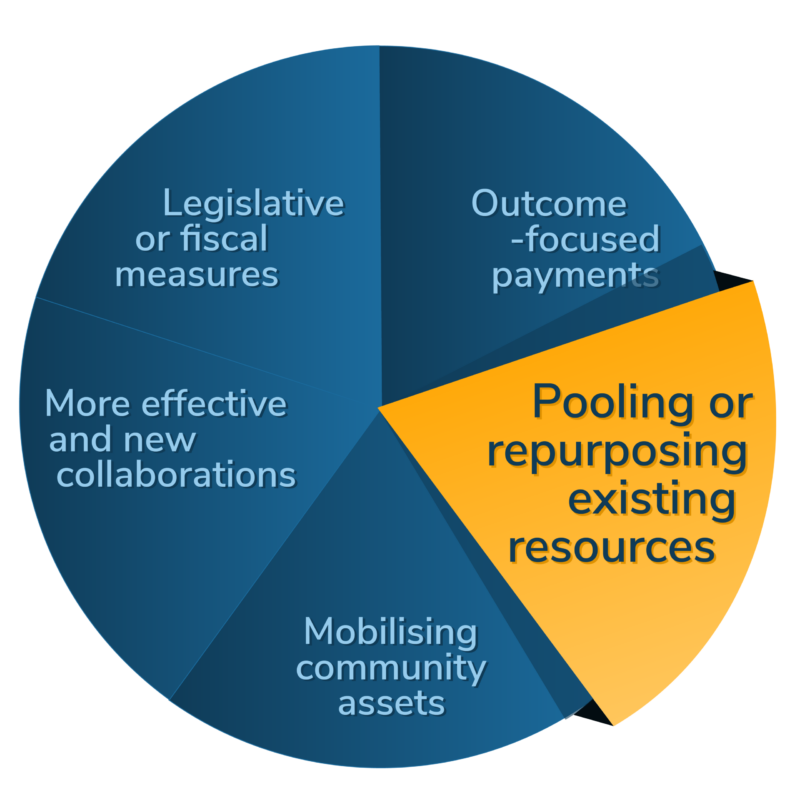
Pooling or repurposing existing resources
Public Health England developed the Prioritisation Framework to help local authorities allocate limited public health budgets more effectively and transparently. Based on multi-criteria decision analysis, the tool supports structured decision-making by comparing programmes against multiple criteria, improving accountability and guiding investment choices in a context of constrained resources.
Context and problems addressed
The notion that public health resources are scarce is not new. Within the constraints of a fixed budget, a decision to provide one service may result in another service not being provided due to lack of resources. Thus, being aware of the resources used and benefits of various services or interventions for public health allows comparisons and choices to be made to invest in a combination of services that maximises the benefit from the fixed budget.
Intervention and financing model
The Prioritisation Framework (PF) provides a platform to aid local authorities to make decisions regarding budget allocations in a structured and transparent manner.
One method of facilitating the application of health economics principles to public health priority setting is through the use of multi-criteria decision analysis (MCDA). The technique recognises that decision-makers employ multiple and disparate criteria when making decisions (e.g. introducing new health care interventions or facilities), and that it is important to make explicit the impact on all criteria applied and the relative importance attached to them. Different options (strategies, interventions) are scored against each weighted criterion to provide summary scores for comparative purposes. It helps to make assumptions that underpin decisions more transparent, which may improve accountability and consistency of decision-making.
The PF was based on MCDA largely because it has been used effectively to support strategic decision making in many different public health circumstances and contexts, such as multi agency working. The PF allows for consideration regarding programmes that can offer best value, the current states of programmes, budgets and how they are currently allocated across programmes, and how easy it could be for the programmes to change and improve. The process allows public health programmes to be scored on the potential state, current state and the programme budgets while, at the same time, considering what is achievable. The purpose of this is to be able to make informed recommendations on whether to increase, decrease or maintain budget spending in each public health programme.
How best to achieve better investment and disinvestment decisions has long been a challenge facing policymakers. However, following deep cuts to public spending in England since 2010, the issue has become more urgent and acute. In 2012, a group of UK researchers, some initially based at Durham University, and then at Newcastle and Northumbria Universities together with colleagues from the Universities of Sheffield and Kent, undertook a number of linked studies exploring the application of priority-setting tools that local authority public health decision-makers might find useful for investment and disinvestment decisions. Funding for the research came from the National Institute for Health Research (NIHR) School for Public Health Research (SPHR) and full details of the programme of research conducted from 2012-2016 and its findings can be found here and also under Current Research Projects.
Exploring methods for supporting public health commissioners in priority-setting to improve population health and address health inequalities project informed a new Prioritisation Framework developed by Public Health England (PHE) and launched in March 2018.
To learn more about the different steps of the PF, check out this link.
The purpose of the Prioritisation Framework is to enable informed recommendations on whether to increase, decrease or maintain spending across public health programmes.
Key outcomes and associated measurements
Given the short-term nature of the study it did not prove possible to say much about the impact of the PF on priorities and on investment and disinvestment decisions or to conclude anything in regard to the extent to which it affected spending decisions. However, it is important to stress that the PF is not primarily a health economics tool and is not seen as such by PHE. The primary value of the PF lies in providing structure and guidance for local decision-makers to agree the outcomes they regard as important. Consideration of the evidence in regard to effectiveness and cost-effectiveness is only one part of the overall decision-making process.
While the act of assigning numerical scores to the evidence is important, it is only a means to an end and should not be over-emphasised. More important than the scores are the conversations triggered by employing the PF, which allows decision-makers to express their views, challenge assumptions, and agree on the best course of action.
PHE has accepted the main study findings and plans to incorporate these where possible in future versions of the PF and efforts to roll out the tool across all local authorities in England. Members of the team who developed the PF published a blog in response to the final evaluation report.
Related case studies

The national programme budgeting and marginal analysis in Wales

Maintaining employability through the TErrA Project in Germany

Het Beweeghuis (“The Movement House”): An integrated movement-care network for musculoskeletal health
About EuroHealthNet
Building a healthier future for all by addressing the determinants of health and reducing inequalities.
EuroHealthNet is the Partnership of public health agencies and organisations building a healthier future for all by addressing the determinants of health and reducing inequalities. Our focus is on preventing disease and promoting good health by looking within and beyond the health system.
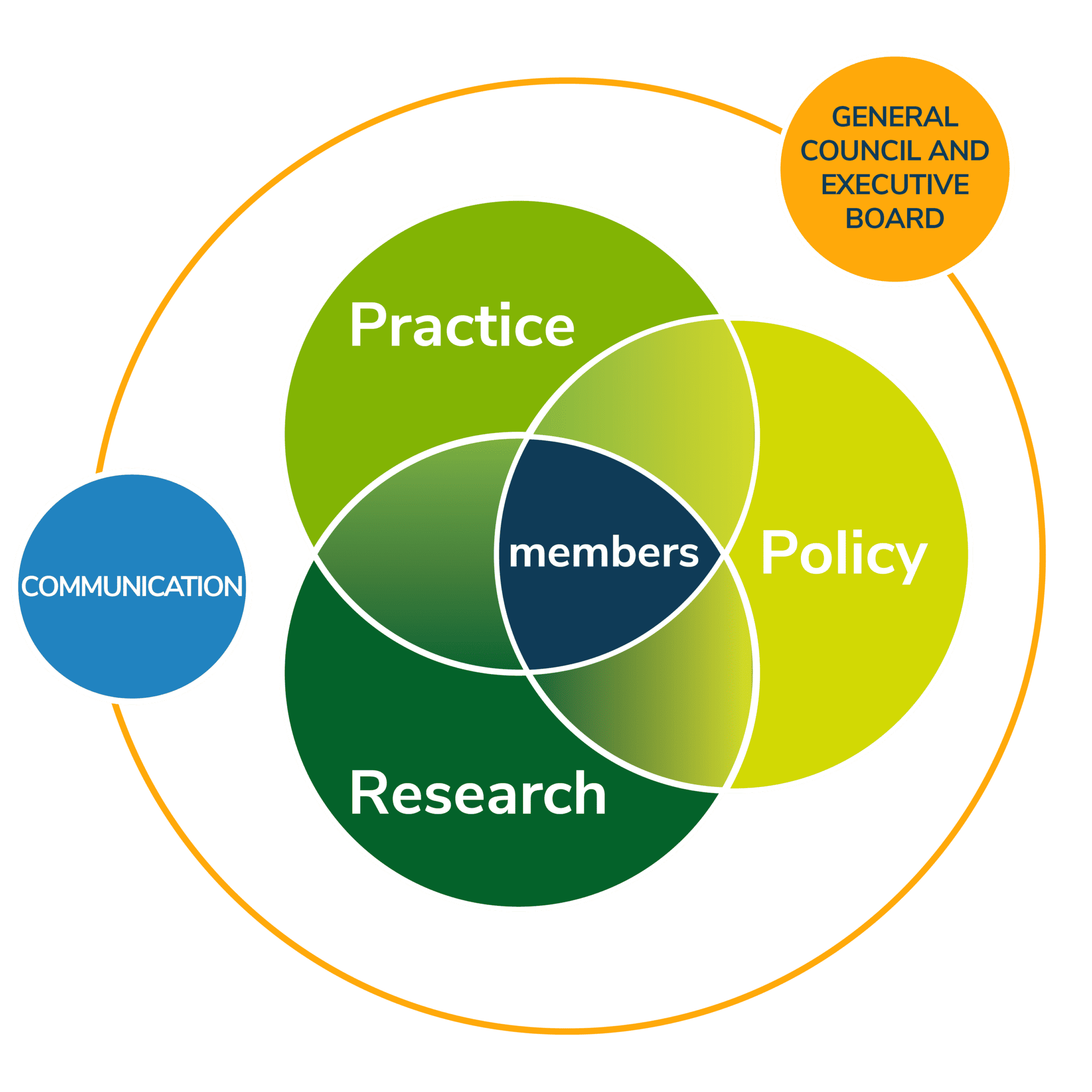
Structuring our work over a policy, a practice, and a research platform, we focus on exploring and strengthening the links between these areas.
Our approach focuses on integrated concepts to health, reducing health inequality gaps and gradients, working on determinants across the life course, whilst contributing to the sustainability and wellbeing of people and the planet.

EuroHealthNet is co-funded by the European Union. However, the information and views set out on this website are those of the author and do not necessarily reflect the official opinion of the European Commission. The Commission does not guarantee the accuracy of the data included on this website. Neither the Commission nor any person acting on the Commission's behalf may be held responsible for the use which may be made of the information contained therein.