



Het Beweeghuis (“The Movement House”): An integrated movement-care network for musculoskeletal health

Case study
The Netherlands
Integrated care network and cross-sector prevention financing model
Het Beweeghuis (“The Movement House”) is a locally implemented integrated care initiative in Maastricht that aims to make prevention the default pathway for people with musculoskeletal complaints by shifting care from hospitals to community-based support. Financing is largely based on existing reimbursement streams within the Dutch healthcare system, and it is estimated that every €1 invested generates at least €3.92 in societal value.
Context and problems addressed
Musculoskeletal disorders and osteoarthritis are among the leading causes of disability and healthcare utilisation in the Netherlands. Rising demand for orthopaedic services places pressure on healthcare budgets and contributes to long waiting times. At the same time, many patients referred to specialist care could benefit from non-surgical interventions such as physiotherapy, movement coaching, and lifestyle support. However, financial incentives within the healthcare system often favour treatment over prevention, while the benefits of preventive interventions are distributed across multiple stakeholders, including health insurers, employers, municipalities, and patients themselves.
Intervention and financing model
Het Beweeghuis (“The Movement House”) is a locally implemented integrated care initiative in Maastricht bringing together orthopaedic specialists from Maastricht University Medical Center (UMC+), general practitioners, physiotherapists, movement coaches, municipalities, insurers, and citizens. The initiative aims to make prevention the default pathway for people with musculoskeletal complaints by shifting care from hospitals to community-based support.
Using multidisciplinary triage and shared clinical protocols, patients are guided towards treatment options such as physiotherapy, lifestyle support, weight management, pain management, and movement coaching before surgery is considered. Surgical intervention is reserved for cases where non-surgical approaches are insufficient.
Financing is largely based on existing reimbursement streams within the Dutch healthcare system. Medical consultations, physiotherapy, and other healthcare services are funded through regular health insurance arrangements, while municipalities support community-based movement and participation programmes. Maastricht UMC+, healthcare providers, local authorities, and health insurers collaborate in delivering and coordinating the model. In addition, Invest-NL, ReumaNederland, Noaber Foundation, and Social Finance NL supported the development of a societal business case to assess the wider economic and social value generated by the initiative.
The business case estimated that every €1 invested in Het Beweeghuis generates at least €3.92 in societal value through avoided orthopaedic procedures, reduced healthcare utilisation, lower sickness absence, and improved physical activity and quality of life. However, the initiative also highlights the “wrong pocket problem” in prevention: while implementation costs are borne primarily by healthcare providers, insurers, and public-sector partners, many of the benefits are realised by employers, municipalities, social security systems, and patients. This has led to explore future cross-sector and outcome-based funding mechanisms that could better align investment with realised benefits, but these remain at the exploration stage.
Financing is largely based on existing reimbursement streams within the Dutch healthcare system. Medical consultations, physiotherapy, and other healthcare services are funded through regular health insurance arrangements, while municipalities support community-based movement and participation programmes.
Key outcomes and associated measurements
Reported results indicate high levels of patient engagement. Since the start of the intervention in 2015, Het Beweeghuis has assessed around 14,000 patients, of whom approximately 11,000 were managed in primary care, and 3,000 were referred to hospital care. Among participants referred to movement programmes, 88% joined a movement intervention, 84% remained physically active after three months, and 70% were still active after one year.
The model has demonstrated potential to reduce demand for surgical procedures while promoting self-reliance and long-term physical activity. It is, however, not currently structured as an investable opportunity for private investors because the financial benefits are dispersed across multiple stakeholders, and no dedicated outcome-payment mechanism exists. However, the initiative has been used by Invest-NL and partners as a demonstrator case for developing outcome-based financing models, such as Health Impact Bonds and other results-based payment mechanisms, that could make similar preventive care networks investable in the future.
Related case studies

Future Parks Accelerator

Social Enterprise and Health and Well-being Impacts

Get Finland Moving: using phenomenon budgeting to address physical inactivity
About EuroHealthNet
Building a healthier future for all by addressing the determinants of health and reducing inequalities.
EuroHealthNet is the Partnership of public health agencies and organisations building a healthier future for all by addressing the determinants of health and reducing inequalities. Our focus is on preventing disease and promoting good health by looking within and beyond the health system.
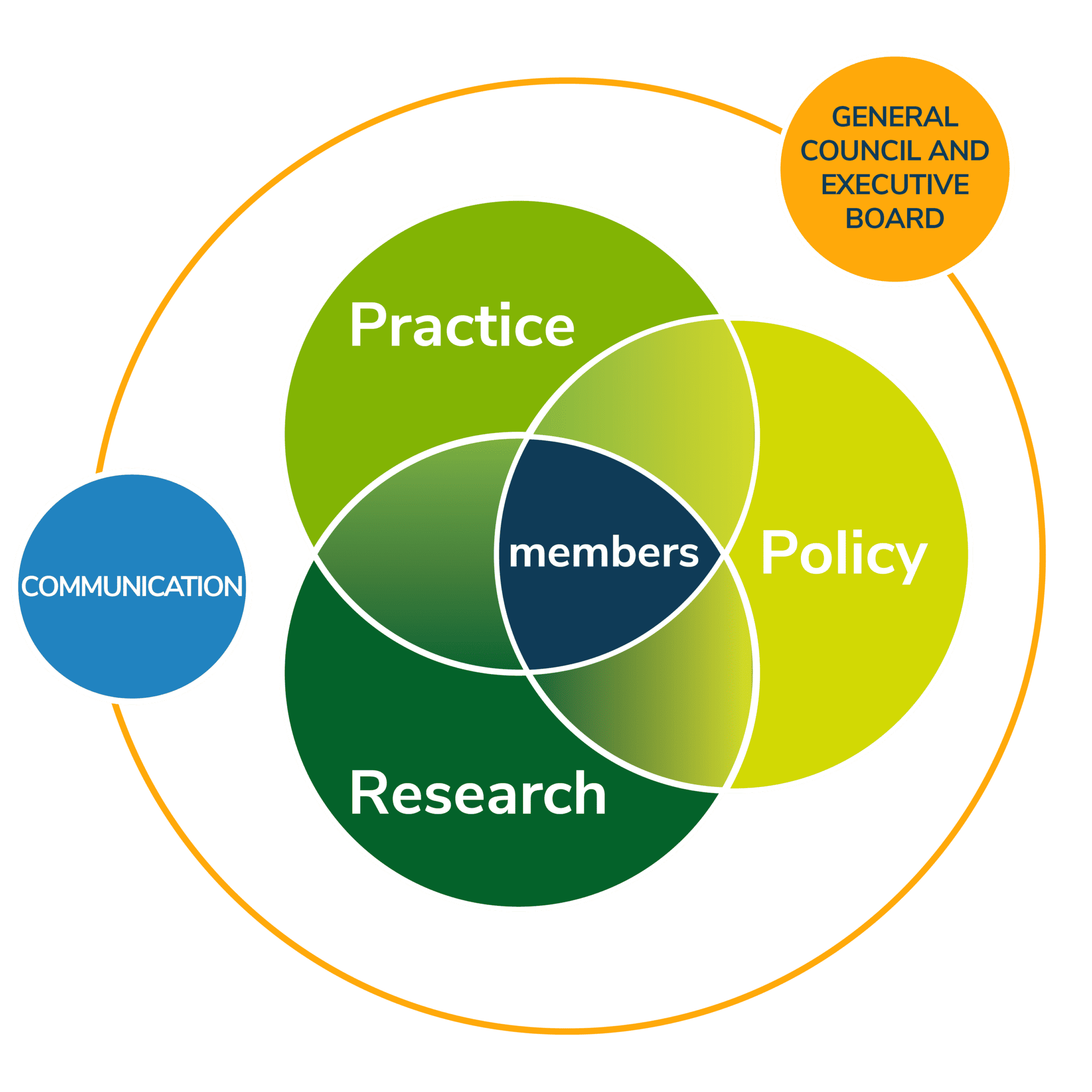
Structuring our work over a policy, a practice, and a research platform, we focus on exploring and strengthening the links between these areas.
Our approach focuses on integrated concepts to health, reducing health inequality gaps and gradients, working on determinants across the life course, whilst contributing to the sustainability and wellbeing of people and the planet.
EuroHealthNet is co-funded by the European Union. However, the information and views set out on this website are those of the author and do not necessarily reflect the official opinion of the European Commission. The Commission does not guarantee the accuracy of the data included on this website. Neither the Commission nor any person acting on the Commission's behalf may be held responsible for the use which may be made of the information contained therein.