



GelijkGezond (“Equally Healthy”) – An outcome-based financing model for prevention

Case study
The Netherlands
Outcome-based financing and shared savings model
GelijkGezond (“Equally Healthy”) is a non-profit initiative designed to support residents facing complex challenges across health, welfare, and social domains in the Netherlands. It uses an outcome-based financing model that combines public funding, private funding, and philanthropy.
Context and problems addressed
People with low incomes and complex social needs often interact with fragmented health, welfare, and social care systems. Challenges such as debt, housing insecurity, stress, and social exclusion frequently contribute to poor health outcomes and increased healthcare utilisation. Despite the potential of preventive interventions to address these root causes, funding remains difficult because benefits materialise over long periods and are distributed across multiple public sectors. This creates limited incentives for individual organisations to invest in prevention.
Intervention and financing model
GelijkGezond (“Equally Healthy”) is a non-profit initiative designed to support residents facing complex challenges across health, welfare, and social domains. Following a development phase, implementation of the current programme began in April 2026 in four Dutch municipalities. The model provides dedicated professionals, known as "doorbijters", who work alongside residents to identify underlying causes of their problems, coordinate support across relevant providers, and connect them with appropriate services. The approach focuses on resolving root causes before they escalate into more costly healthcare and social issues.
The initiative uses an outcome-based financing model that combines public funding, private funding, and philanthropy. Social investors and philanthropic organisations provide around €4 million upfront capital through loans to implement and scale up the preventive interventions. In addition, €5.5 million in funding from the Dutch Integrated Care Agreement (IZA) supports implementation, with funding released in phases based on predefined key performance indicators. Municipalities and health insurers enter into outcome-based contracts and repay investors if the agreed outcomes are achieved. The financing structure combines outcome-based payments, linked to achieved health and social outcomes, with inclusion-based payments that compensate investors for service delivery and engagement of participants. This blended approach reduces financial risk and makes long-term prevention investments more attractive to private investors.
Investors include organisations such as PGGM, Invest-NL, Rabo Foundation, Noaber Foundation, and DOEN Foundation. Invest-NL plays a dual role by supporting the structuring of the financing model and co-investing in implementation, including a €1.5 million loan for scale-up.
By linking preventive interventions to measurable outcomes, the model aims to address common barriers to prevention funding, such as the “wrong pocket problem” and the lack of dedicated budgets for long-term, cross-sector benefits.
Key outcomes and associated measurements
GelijkGezond reaches around 2000 residents in total in phase one, supported by a financing structure that includes a €4,5 million loan component. The goal is to scale up to 1250 residents per municipality in phase two. First participants report increased control, reduced stress and better alignment with support services.
By linking preventive interventions to measurable outcomes, the model aims to address common barriers to prevention funding, such as the “wrong pocket problem” and the lack of dedicated budgets for long-term, cross-sector benefits.
At the same time, the case shows why prevention is still difficult to finance with private capital. Investors tend to view outcome-based contracts as risky because results take time to materialise, evidence from large-scale implementation is still limited, and there are no underlying assets to secure repayment. To make these models more attractive, stakeholders are exploring blended repayment structures that combine outcome-based and activity-based payments, public guarantees that reduce investor exposure to losses, and standardised contracts that lower transaction costs and facilitate replication across different settings.
Related case studies

France’s hémisphère social impact bond

The Brabant Outcomes Fund

Envisaging a Social Prescribing Fund in England
About EuroHealthNet
Building a healthier future for all by addressing the determinants of health and reducing inequalities.
EuroHealthNet is the Partnership of public health agencies and organisations building a healthier future for all by addressing the determinants of health and reducing inequalities. Our focus is on preventing disease and promoting good health by looking within and beyond the health system.
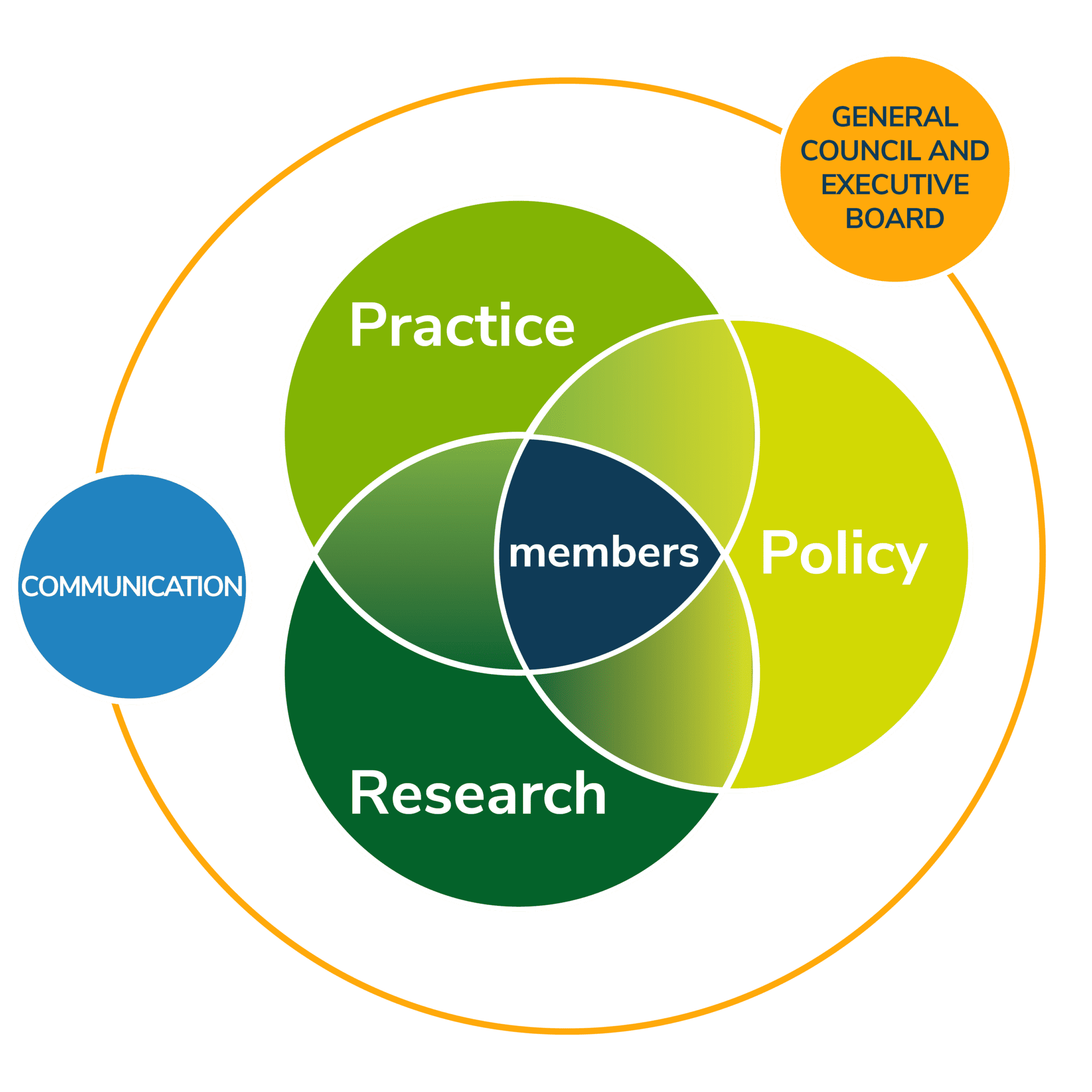
Structuring our work over a policy, a practice, and a research platform, we focus on exploring and strengthening the links between these areas.
Our approach focuses on integrated concepts to health, reducing health inequality gaps and gradients, working on determinants across the life course, whilst contributing to the sustainability and wellbeing of people and the planet.
EuroHealthNet is co-funded by the European Union. However, the information and views set out on this website are those of the author and do not necessarily reflect the official opinion of the European Commission. The Commission does not guarantee the accuracy of the data included on this website. Neither the Commission nor any person acting on the Commission's behalf may be held responsible for the use which may be made of the information contained therein.