



Get Finland Moving: using phenomenon budgeting to address physical inactivity
Case study
Finland
Cross-sector budgeting within a national prevention programme
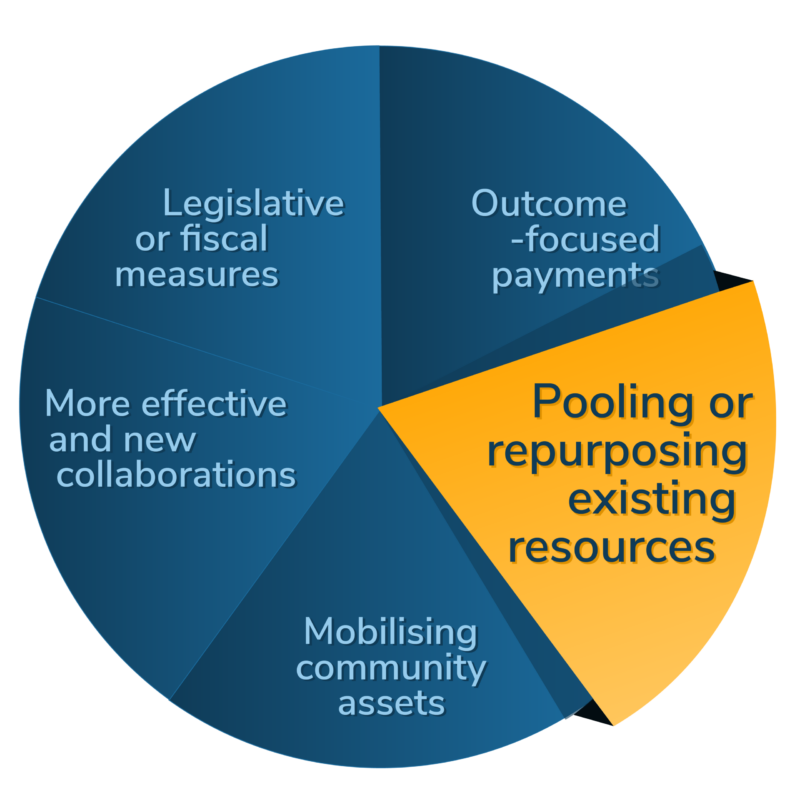
“Get Finland Moving” (Suomi liikkeelle) is a Finnish national government programme aiming to increase physical activity through coordinated action across policy sectors. The key innovation is its pooled phenomenon-based budgeting approach, which can be used flexibly across sectors, allowing different actors to finance initiatives that contribute to the shared goal.
Context and problems addressed
Physical inactivity is a major public health challenge in Finland across all age groups, contributing to rising risks of chronic disease, reduced functional capacity, and increased long-term pressure on health and social systems. Despite widespread recognition of the benefits of physical activity, policy responses have historically been fragmented across sectors such as health, education, transport, and sport. This siloed structure has limited coordinated investment in preventive action and reduced the efficiency of public spending aimed at promoting active lifestyles.
To address this, Finland has launched a cross-government initiative that explicitly recognises physical inactivity as a societal phenomenon requiring coordinated action across ministries.
Intervention and financing model
“Get Finland Moving” (Suomi liikkeelle) is a national government programme aimed at increasing physical activity through coordinated action across policy sectors. It treats physical inactivity as a shared societal challenge that requires a joint response across government, municipalities, and civil society.
The key innovation is its phenomenon-based budgeting approach. Instead of allocating funding separately through individual ministerial budgets, the government sets aside a dedicated national budget for one policy objective, in this case increasing physical activity. For the current government period, approximately €20 million per year (around €80 million in total) is allocated to the programme.
This pooled “phenomenon budget” can be used flexibly across sectors, allowing different actors to finance initiatives that contribute to the shared goal. It enables investment in physical activity to be embedded across areas such as active environments, health services, education, workplaces, and behaviour change initiatives.
The Ministry of Education and Culture coordinates the programme at national level and ensures alignment across sectors through inter-ministerial cooperation.
It is important to note that this is not a separate or centrally managed fund. Instead, it is a coordination and prioritisation mechanism where funding remains within individual ministerial budgets but is aligned towards a shared policy goal. The model is therefore a reform of how budgets are coordinated, rather than the creation of a new standalone funding stream.
This is not a separate or centrally managed fund. Instead, it is a coordination and prioritisation mechanism where funding remains within individual ministerial budgets but is aligned towards a shared policy goal. The model is therefore a reform of how budgets are coordinated, rather than the creation of a new standalone funding stream.
Key outcomes and associated measurements
As a relatively recent national programme (2024–2027), “Get Finland Moving” is still in an early implementation phase and outcome evaluations are yet to be published.
Early implementation has already led to cross-sector policy developments. These include a proposed amendment to the Basic Education Act to strengthen physical activity in education, expanded counselling in municipalities and primary healthcare, integration of physical activity into conscription health checks, and investments in local recreational environments. Early-life interventions have also been strengthened through measures such as including a ball in the maternity package and providing physical activity guidance in child health clinics. The midterm review of the programme nevertheless shows that progress is slower in workplace-related measures and fiscal instruments
Related case studies
Het Beweeghuis (“The Movement House”): An integrated movement-care network for musculoskeletal health

The national programme budgeting and marginal analysis in Wales

The Prioritisation Framework for public health investments – Public Health England
About EuroHealthNet
Building a healthier future for all by addressing the determinants of health and reducing inequalities.
EuroHealthNet is the Partnership of public health agencies and organisations building a healthier future for all by addressing the determinants of health and reducing inequalities. Our focus is on preventing disease and promoting good health by looking within and beyond the health system.
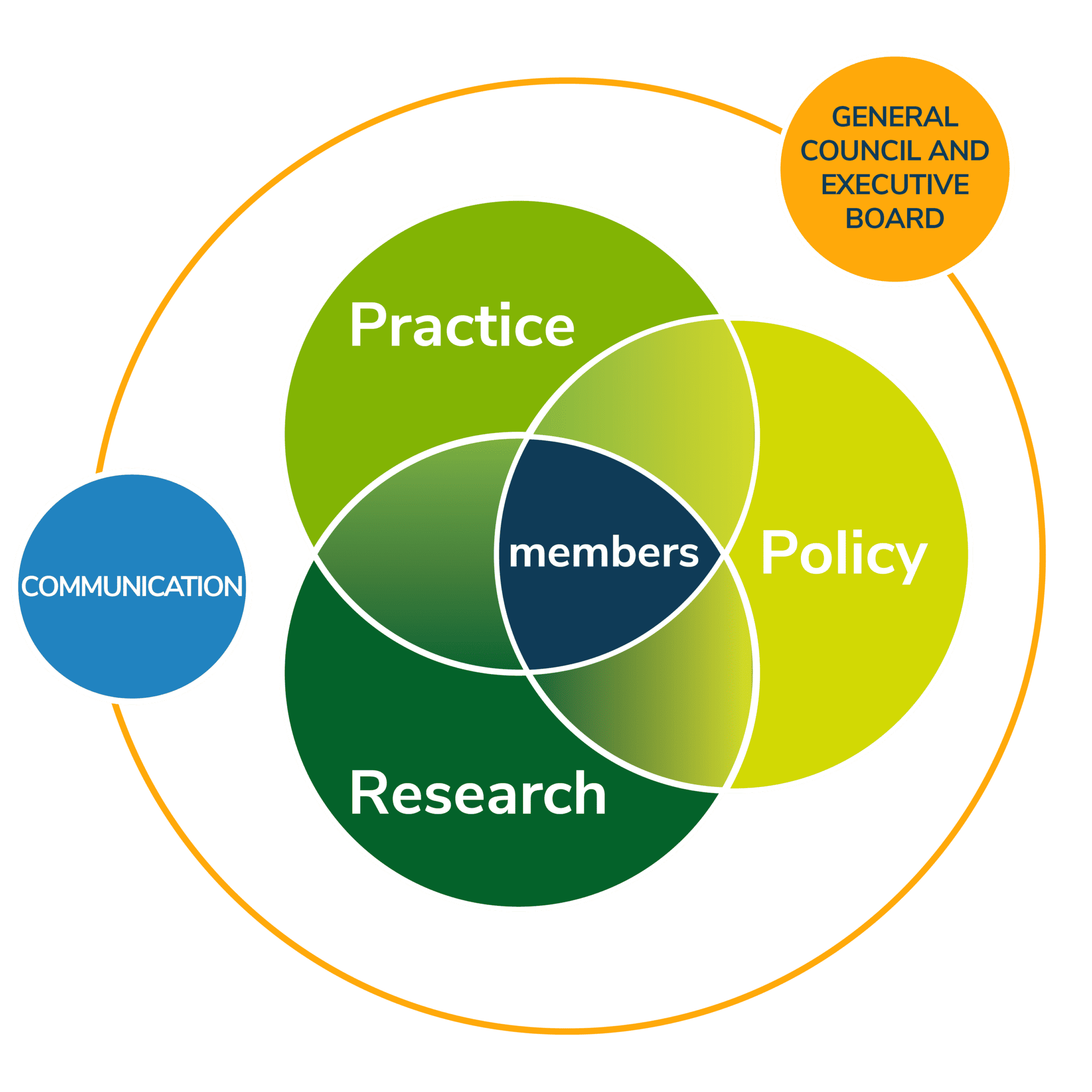
Structuring our work over a policy, a practice, and a research platform, we focus on exploring and strengthening the links between these areas.
Our approach focuses on integrated concepts to health, reducing health inequality gaps and gradients, working on determinants across the life course, whilst contributing to the sustainability and wellbeing of people and the planet.
EuroHealthNet is co-funded by the European Union. However, the information and views set out on this website are those of the author and do not necessarily reflect the official opinion of the European Commission. The Commission does not guarantee the accuracy of the data included on this website. Neither the Commission nor any person acting on the Commission's behalf may be held responsible for the use which may be made of the information contained therein.