



EuroHealthNet Guide for Financing Prevention and Health Promotion
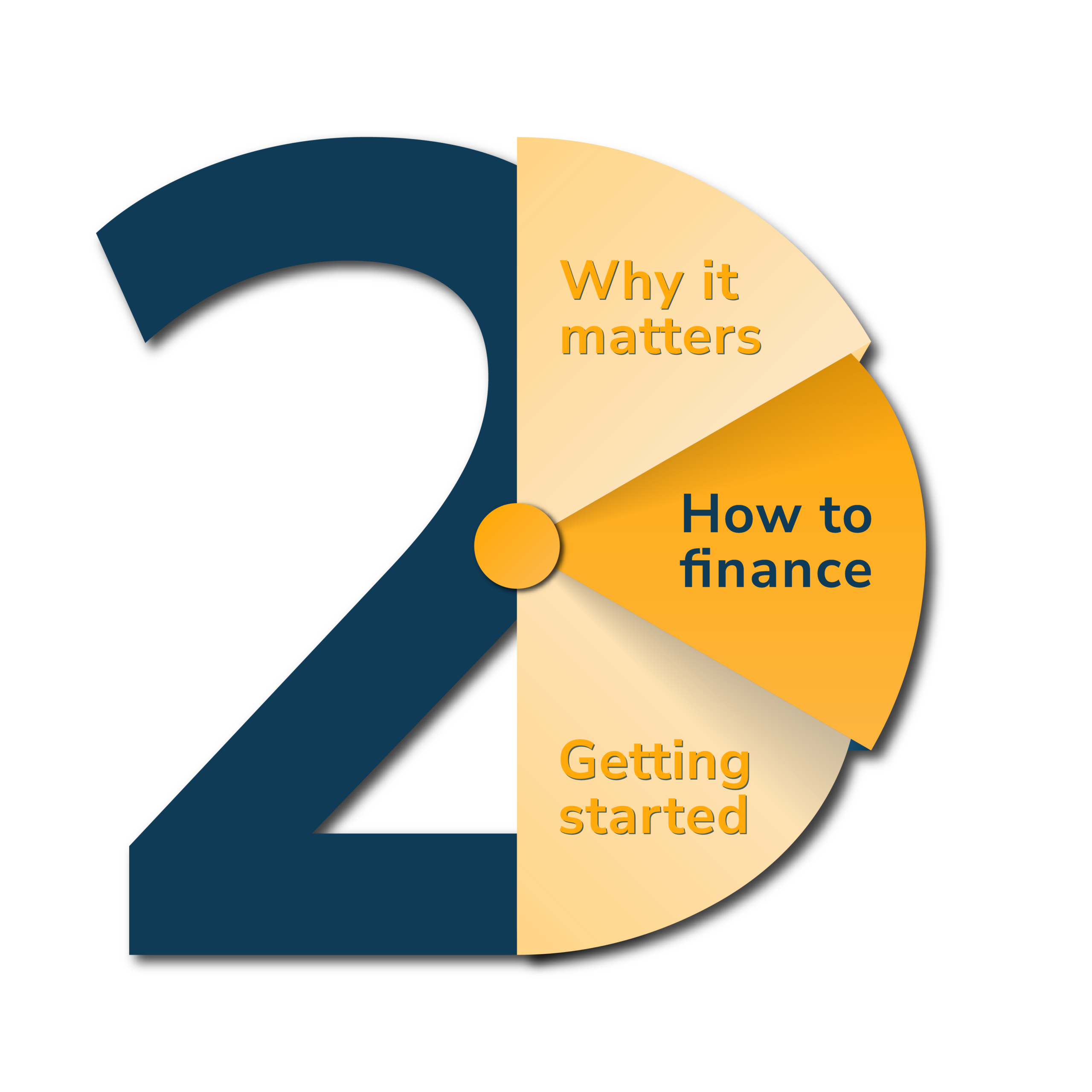
2.2
Practical examples
This section showcases practical examples of innovative approaches to financing health promotion and disease prevention across Europe. From legislative and fiscal measures to community-driven initiatives and cross-sector partnerships, these examples illustrate how different actors are finding sustainable and effective ways to invest in healthier societies and strengthen prevention efforts.
2.2.1 Legislative and fiscal measures
Legislative and fiscal measures shape the environments in which individuals make health-related decisions. By setting clear rules, directing financial resources, and influencing incentives, governments and public authorities can create conditions that make healthy choices easier, more affordable, and more accessible. These instruments are particularly powerful because they operate at population level and can reduce inequalities systematically.
2.2.2 Mobilising community assets
Mobilising community assets is a set of strategies that builds on the resources, relationships, and skills already present within communities to support health and wellbeing. Rather than relying solely on institutional or top-down funding models, this approach taps into the collective power of individuals, civil society organisations, local businesses, and networks to co-create and finance solutions that respond to local health needs.
2.2.3 More effective and new collaborations
Evidence shows that cross-sector collaboration can play an important role in designing, implementing, and financing effective health-promoting services. These collaborations can take many forms, including formal joint ventures, public-private partnerships, or coordinated efforts with insurance and pension funds. They offer a range of different sectors the opportunity to become involved in aligning their work towards common targets and view health promotion as a shared investment.
2.2.4 Outcome-focused payments
Across Europe, there is growing interest in linking public funding to measurable results rather than services provided, especially in areas like health promotion and disease prevention. These areas are notoriously hard to finance because their most significant benefits like reduced chronic disease, longer life expectancy, and lower healthcare costs often only become visible years later, while political and budget cycles operate in the short term.
Outcome-focused payments represent a shift in how services are funded: instead of paying for activities delivered, public authorities pay for the agreed outcomes, making prevention more accountable and effective.
2.2.5 Pooling and repurposing of existing resources
Many European countries face growing demands on their health systems alongside constrained public budgets. In this context, innovation in health promotion financing is not only about new funding, but also about using existing resources more effectively.
What's next?
Head to section 3 for guidance on how to get started
About EuroHealthNet
Building a healthier future for all by addressing the determinants of health and reducing inequalities.
EuroHealthNet is the Partnership of public health agencies and organisations building a healthier future for all by addressing the determinants of health and reducing inequalities. Our focus is on preventing disease and promoting good health by looking within and beyond the health system.
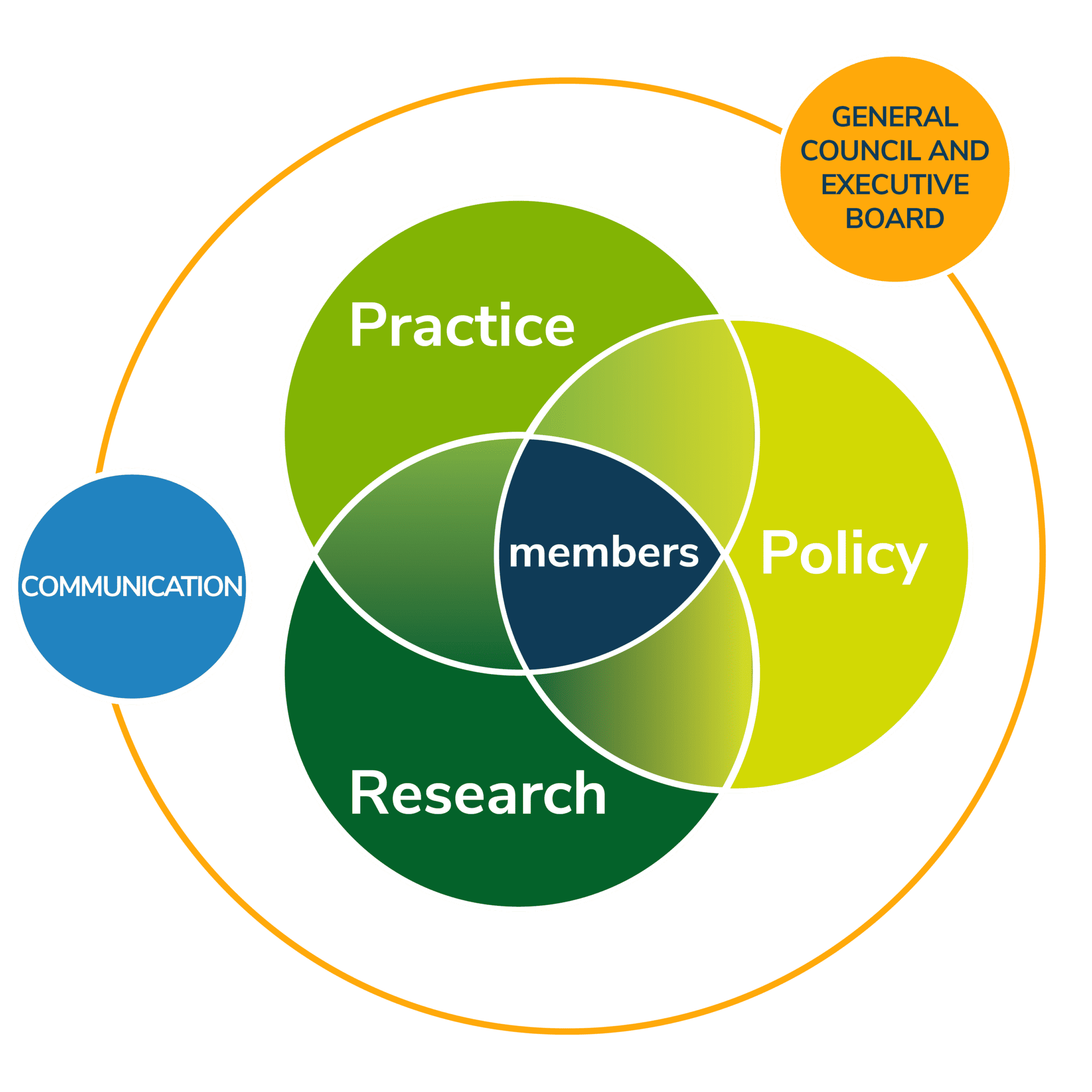
Structuring our work over a policy, a practice, and a research platform, we focus on exploring and strengthening the links between these areas.
Our approach focuses on integrated concepts to health, reducing health inequality gaps and gradients, working on determinants across the life course, whilst contributing to the sustainability and wellbeing of people and the planet.
EuroHealthNet is co-funded by the European Union. However, the information and views set out on this website are those of the author and do not necessarily reflect the official opinion of the European Commission. The Commission does not guarantee the accuracy of the data included on this website. Neither the Commission nor any person acting on the Commission's behalf may be held responsible for the use which may be made of the information contained therein.