



Welcome to the EuroHealthNet
Guide for Financing Prevention and Health Promotion
If prevention is common sense,
why isn’t it common practice?
About this guide
The Guide for Financing Prevention and Health Promotion was designed to support health and social care planners, public authorities, and policymakers at all levels — local, regional, and national — to mobilise greater investment in health promotion and disease prevention. It offers guidance for mobilising resources and driving system change that supports both human and planetary health.
Drawing from real-world examples across Europe and beyond, the Guide combines evidence, tools, and strategies to help you build smarter, fairer, and more sustainable approaches to health and wellbeing.
The guide aims to
Make the case
for a new narrative that places prevention, health promotion and wellbeing at the centre of policy and investment decisions.
Provide practical guidance
for mobilising resources to fund and scale up health-promoting services.
Support the implementation
of new models and strategies to increase investment in prevention and wellbeing.
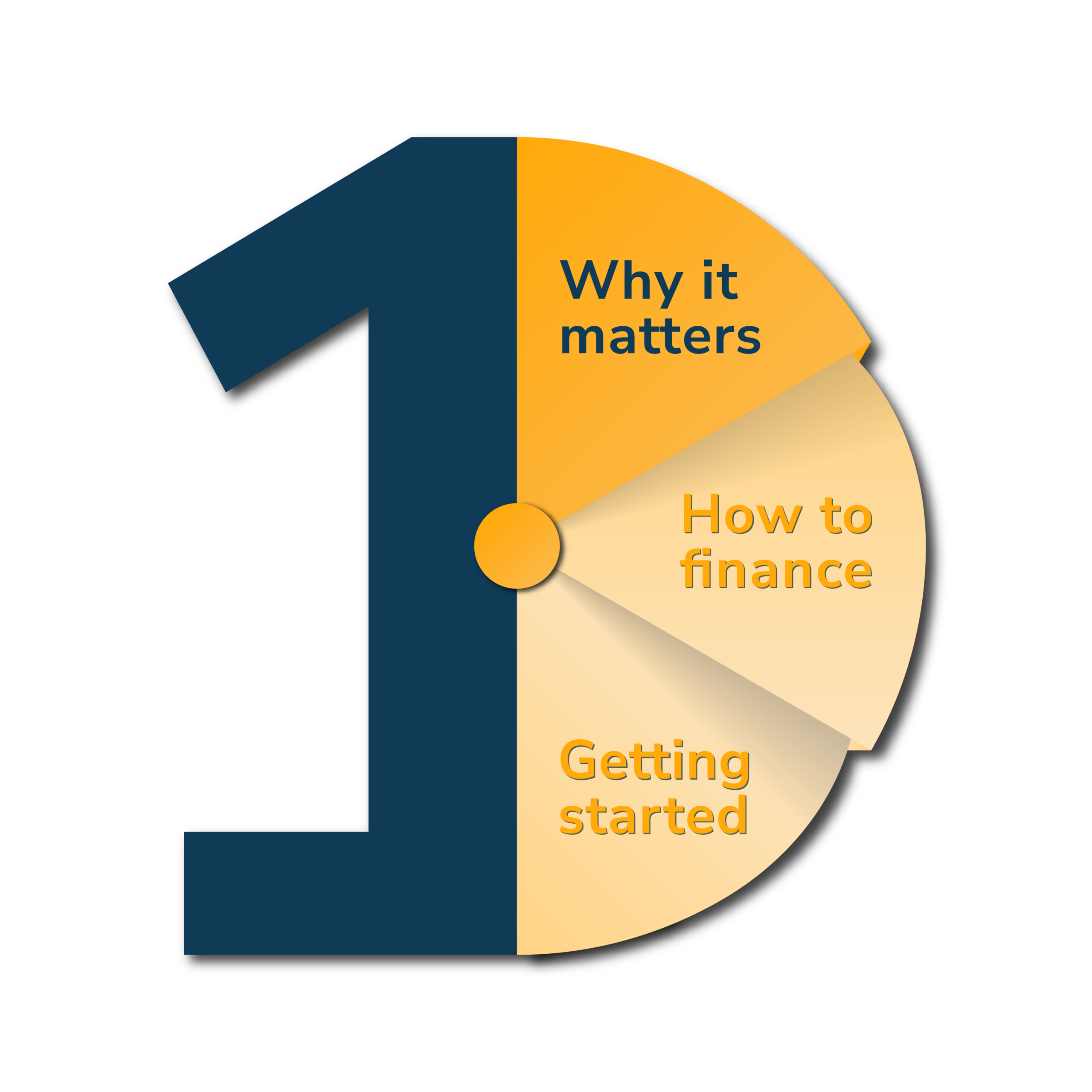
Why does prevention and health promotion matter?
Despite clear evidence of its benefits, prevention and health promotion still receives less than 3% of healthcare budgets. Yet non-communicable diseases, which are often preventable, account for up to 80% of healthcare costs. This imbalance is a missed opportunity: investing in prevention not only improves wellbeing but reduces long-term costs and relieves pressure on health systems.
We offer a clear explanation of why prioritising prevention is a smart, strategic, and equitable choice.
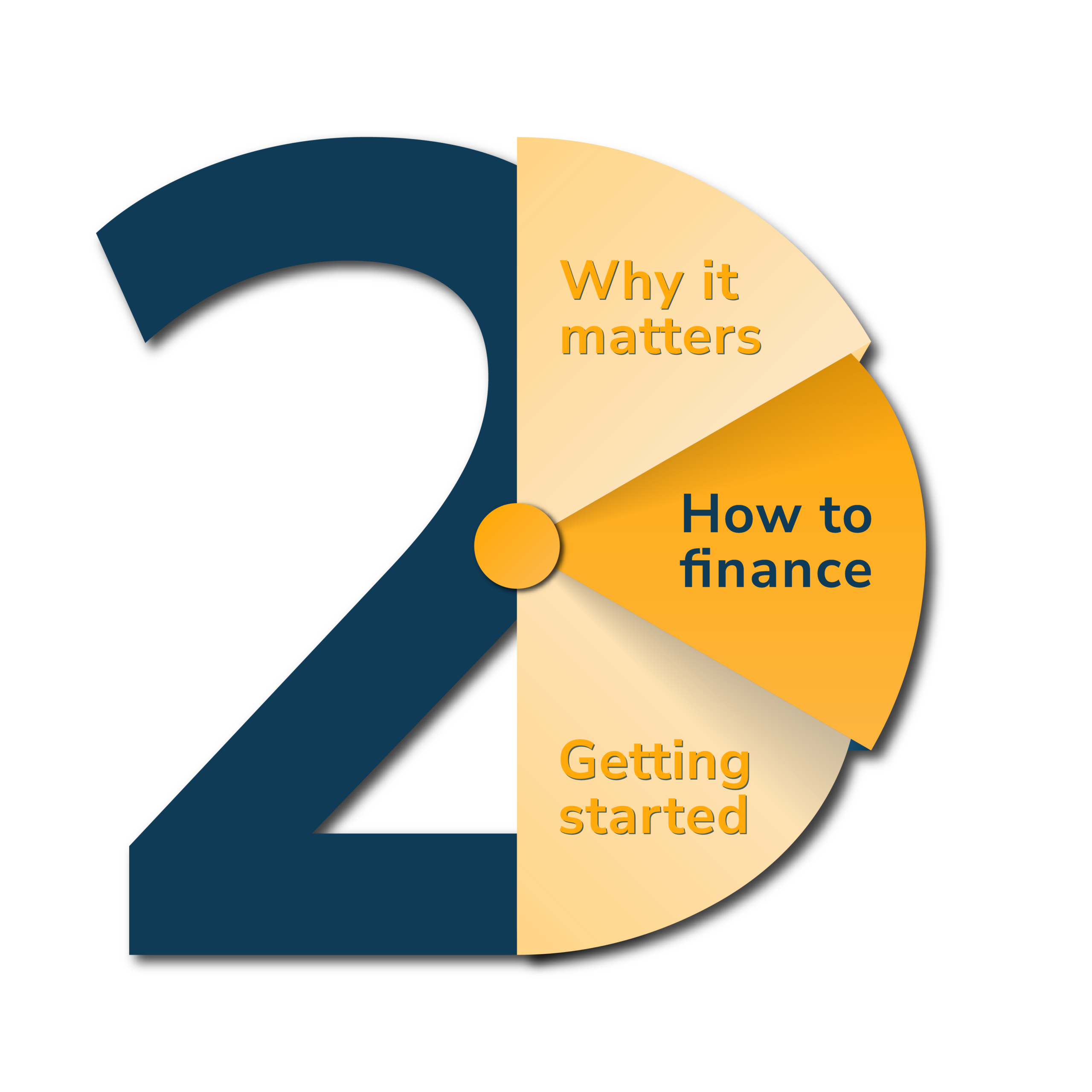
How to finance prevention and health promotion
Today’s economic and health systems are often misaligned with the needs of both people and the planet. Much of current health spending remains locked in short-term costs—focused on treatment and too often marked by inefficiencies—rather than building lasting value.
Reframing smart health spending as a long-term investment is key to driving change. Compelling concepts like the Economics of Health for All, developed by the World Health Organization, offer an exciting vision of a healthier future. And promising examples across Europe and beyond demonstrate how innovative thinking, cross-sector collaboration, and new funding models can unlock resources for prevention and equity.
Implementing change
Turning ambition into action requires the right tools, arguments, and inspiration to drive change. Whether you are just getting started or looking to scale up, this guide offers practical support to help you make a meaningful impact. Through advocacy strategies and practical resources, it shows how transformation is possible—even in complex systems.
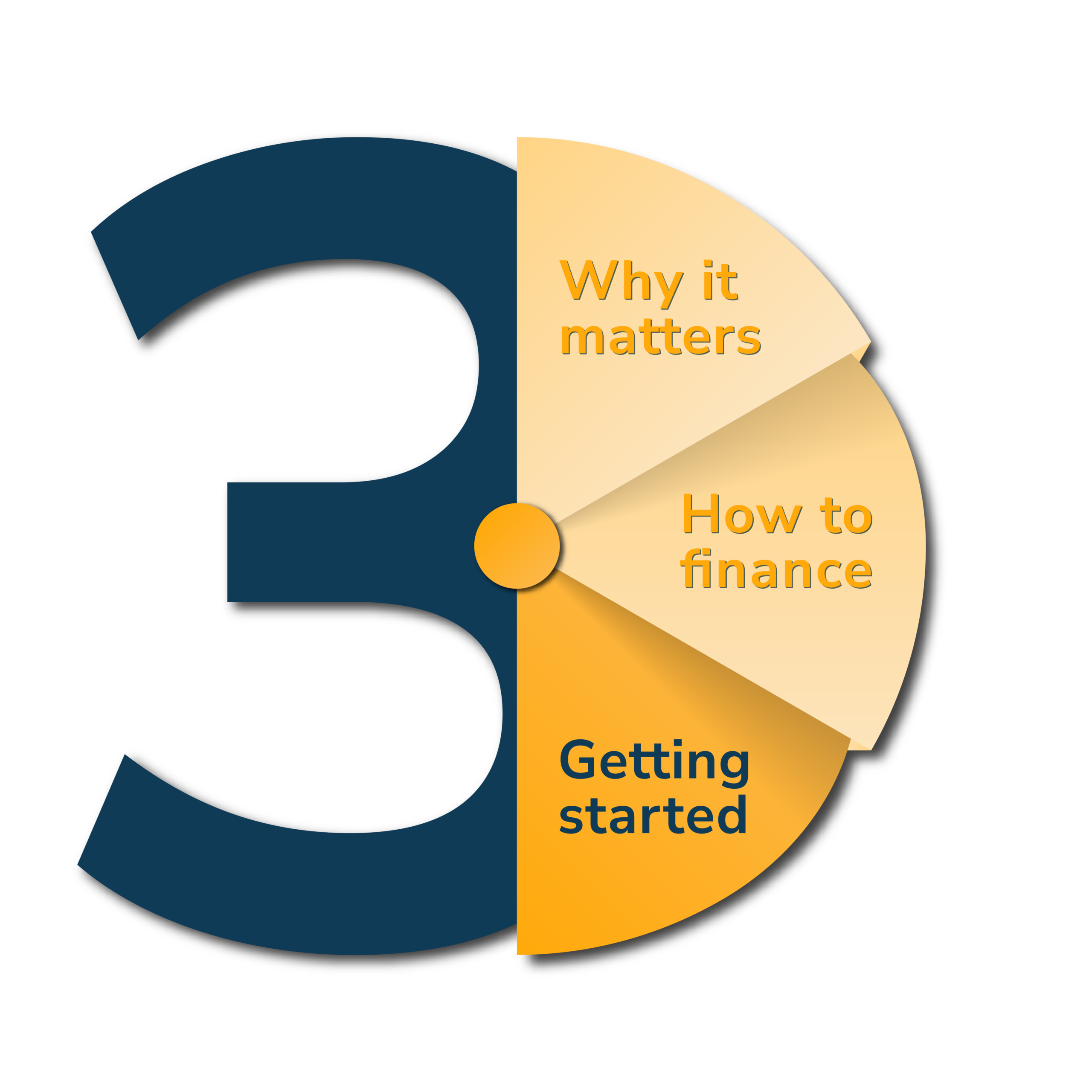
The need is urgent, the knowledge is here, and the chance to act is now. Let’s get started.
About EuroHealthNet
Building a healthier future for all by addressing the determinants of health and reducing inequalities.
EuroHealthNet is the Partnership of public health agencies and organisations building a healthier future for all by addressing the determinants of health and reducing inequalities. Our focus is on preventing disease and promoting good health by looking within and beyond the health system.
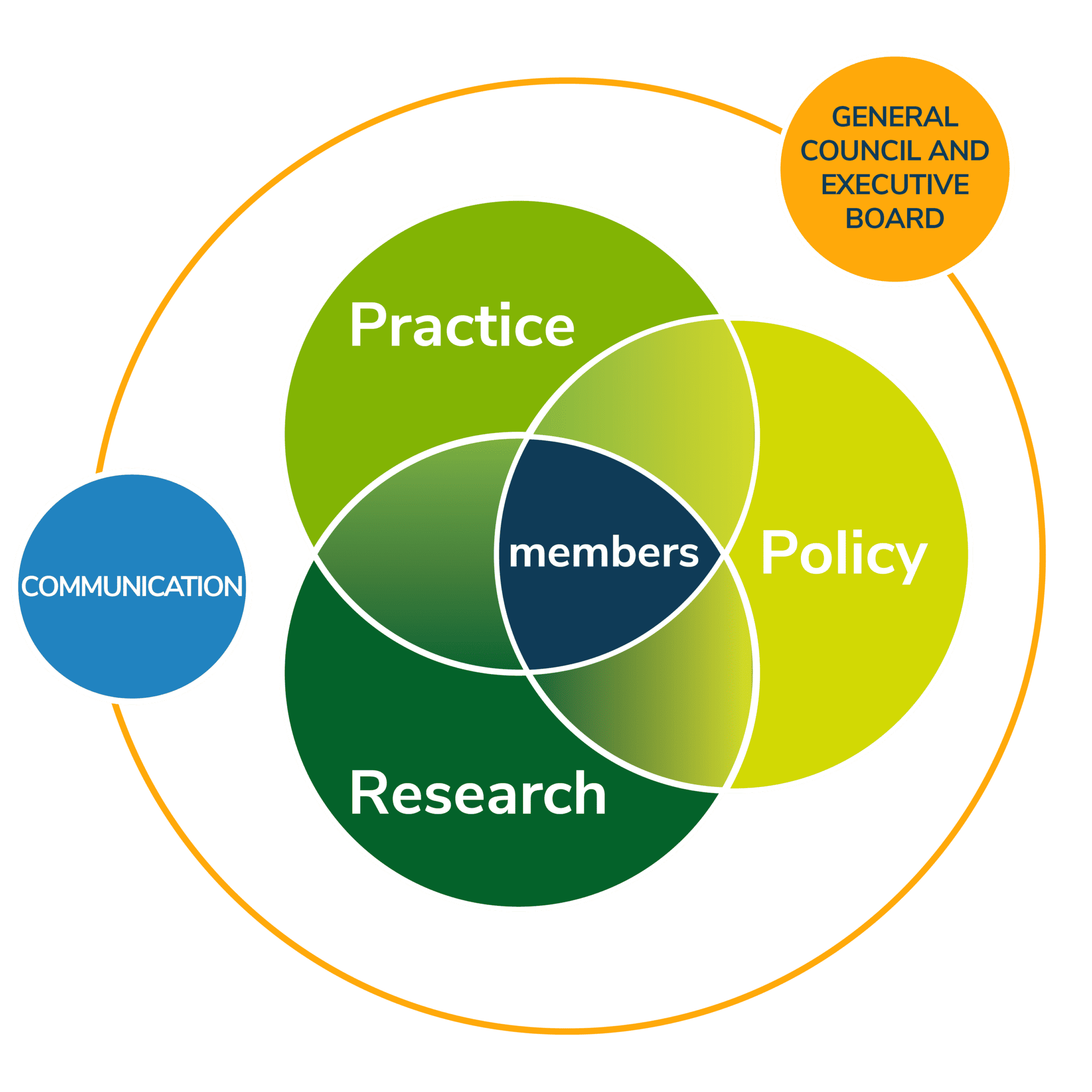
Structuring our work over a policy, a practice, and a research platform, we focus on exploring and strengthening the links between these areas.
Our approach focuses on integrated concepts to health, reducing health inequality gaps and gradients, working on determinants across the life course, whilst contributing to the sustainability and wellbeing of people and the planet.
EuroHealthNet is co-funded by the European Union. However, the information and views set out on this website are those of the author and do not necessarily reflect the official opinion of the European Commission. The Commission does not guarantee the accuracy of the data included on this website. Neither the Commission nor any person acting on the Commission's behalf may be held responsible for the use which may be made of the information contained therein.