



EuroHealthNet Guide for Financing Prevention and Health Promotion
2.2.1
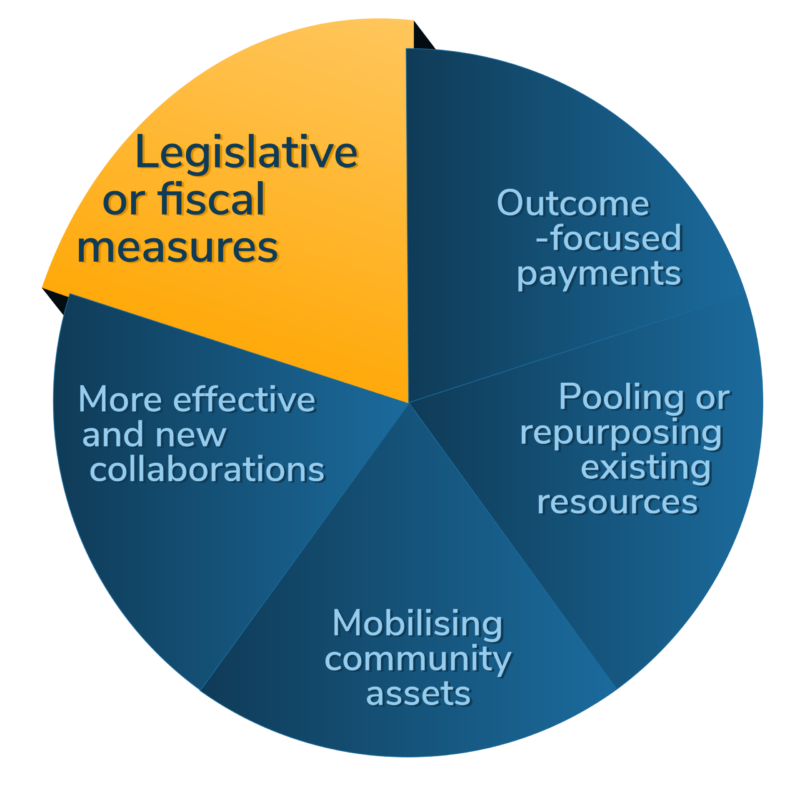
Legislative and fiscal measures
Legislative and fiscal measures shape the environments in which individuals make health-related decisions. By setting clear rules, directing financial resources, and influencing incentives, governments and public authorities can create conditions that make healthy choices easier, more affordable, and more accessible. These instruments are particularly powerful because they operate at population level and can reduce inequalities systematically.
Legislative measures
Legislative actions — including laws, regulations, and standards — provide the legal framework necessary to promote and protect public health. They establish the structural conditions for healthier living and can safeguard public goods and long-term health-promoting investments from short-term political or commercial pressures.
For example, front-of-pack nutrition labelling systems such as Nutri-Score aim to guide consumers toward healthier food choices by making nutritional quality more visible and comparable. Similarly, restrictions or bans on advertising unhealthy foods and drinks to children help reduce exposure to harmful commercial influences and protect vulnerable populations.
At a broader governance level, the Well-being of Future Generations (Wales) Act 2015 legally requires public bodies in Wales to consider long-term wellbeing impacts in their decision-making. It details the ways in which specified public bodies must work together to improve the wellbeing of Wales.
Some legislative measures also have direct fiscal implications. For example, Luxembourg’s decision to make public transport free nationwide is underpinned by public financing and legal reform. While primarily a transport policy, it promotes physical activity (walking and cycling to transit), reduces air pollution, lowers financial barriers to mobility, and contributes to health equity.
Fiscal measures
Fiscal measures — such as public funding allocations, taxation policies, subsidies or financial incentives — directly influence how resources are distributed and how behaviours are shaped. They can support prevention either by discouraging harmful and polluting products or by encouraging investment in health-promoting environments.
An emerging approach is wellbeing budgeting, where governments use social, environmental, economic and fiscal indicators to guide investment and funding decisions. Countries pursuing well-being economies are increasingly linking their budgeting processes to national well-being frameworks to guide spending priorities. For example, Iceland has developed a national framework of 39 indicators and six well‑being priorities to guide the country’s 5‑year fiscal strategic plan, while in the United Kingdom the government has created the Office for the Impact Economy to strengthen partnerships with impact investors, philanthropy and purpose-driven businesses and help mobilise capital and public funding towards initiatives that generate social impact.
Beyond strategic budgeting approaches, fiscal policies can also generate substantial resources for prevention. A prime example is the World Health Organization's projection that health taxes, such as those on tobacco, alcohol, and sugary drinks, could generate as much as $1 trillion globally over the next decade.
Governments can also deploy grants, subsidies, or tax deductions to encourage businesses, civil society organisations, or municipalities to invest in wellbeing initiatives. For instance, targeted public funding to address childhood obesity can support healthier school meals, community sport infrastructure, or family-based prevention programmes.
Fiscal measures on the subnational level
While national fiscal policies offer scale, regional and local measures allow tailoring to community needs. Sub-national governments can introduce targeted incentives or budget reallocations that reflect specific demographic, geographic, or social realities.
Fiscal measures across sectors
Fiscal policies outside the health sector can generate significant health co-benefits. Housing, employment, transport, education, and environmental policies often shape the social determinants of health more powerfully than healthcare spending.
For example, subsidies for affordable housing in low-income areas can reduce overcrowding and improve living conditions, supporting better physical and mental health. Similarly, tax incentives for companies that provide employee health insurance or wellness programmes can improve access to care and reduce disparities.

Related case studies

The Sugar Sweetened Drinks Tax in Ireland

Abatement policies to address childhood obesity in Europe

National strategy: Promoting healthy lifestyles and financing prevention in the Netherlands

Scotland’s 10-year strategy “Together we can” to embed prevention into national planning, budgeting

Hungarian public health product tax
About EuroHealthNet
Building a healthier future for all by addressing the determinants of health and reducing inequalities.
EuroHealthNet is the Partnership of public health agencies and organisations building a healthier future for all by addressing the determinants of health and reducing inequalities. Our focus is on preventing disease and promoting good health by looking within and beyond the health system.
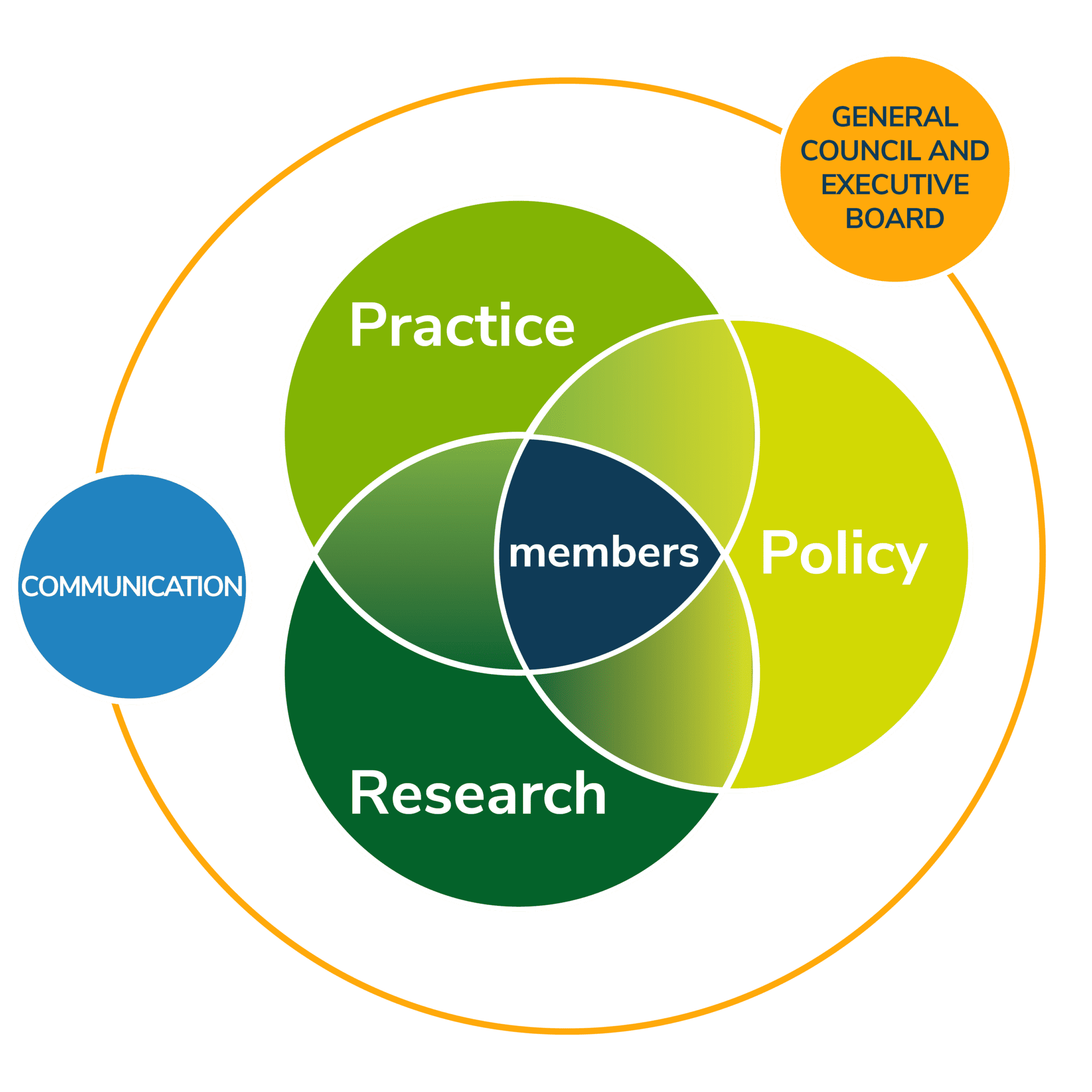
Structuring our work over a policy, a practice, and a research platform, we focus on exploring and strengthening the links between these areas.
Our approach focuses on integrated concepts to health, reducing health inequality gaps and gradients, working on determinants across the life course, whilst contributing to the sustainability and wellbeing of people and the planet.

EuroHealthNet is co-funded by the European Union. However, the information and views set out on this website are those of the author and do not necessarily reflect the official opinion of the European Commission. The Commission does not guarantee the accuracy of the data included on this website. Neither the Commission nor any person acting on the Commission's behalf may be held responsible for the use which may be made of the information contained therein.