



Hungarian public health product tax
Case study
Hungary
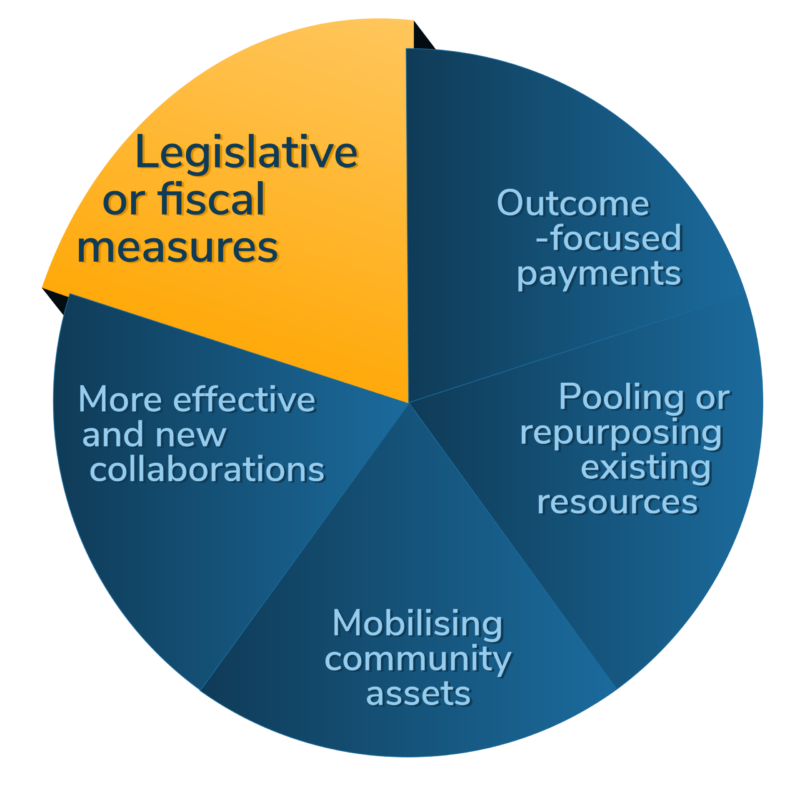
Legislative and fiscal measures
Hungary improves public health and funds its health workforce by taxing unhealthy foods and beverages. The 2011 policy, targeting sugary drinks, snacks, and processed foods, links revenue directly to health system salaries and prevention programs. Early results show reduced consumption, industry reformulation, and measurable gains in nutrition literacy, demonstrating the power of fiscal tools to drive both health and financial outcomes.
Context and problems addressed
In 2011, to improve Hungarian health statistics as well as to make some funding available for the health service staff, the government proposed to introduce a tax on unhealthy food and beverages as a dual public health and financing measure.
The food industry fiercely opposed the tax, and even complained to the European Commission saying that arguing that the planned measures would harm the industry. Initial media coverage was also largely critical, framing the measure as discriminatory. However, national data on population health delivered strong evidence to support the introduction of a new tax and public health authorities, NGOs, and medical staff actively advocated for the policy. Teachers in Hungary further pushed for the energy drinks to be covered by the tax, citing the negative effects on student behaviour.
The public health sector also launched campaigns, organised conferences and actively engaged with the media to explain the positive impact on health that the tax could bring.
Intervention and financing model
The new tax was introduced in September 2011 and included sugar-sweetened beverages, energy drinks, confectionery, salted snacks, condiments, stock cubes, flavoured alcohol and fruit jams.
There are four intended benefits of a sugar tax, they:
- reduce consumption through a price increase and produce subsequent public health benefits;
- generate revenue, that could be reinvested solely into prevention measures;
- emphasise that regular consumption of sugary drinks is not part of a healthy diet; and
- incentivise manufacturers to reformulate products to reduce sugar content.
Revenues from the tax were earmarked in part to support the health system, particularly health workforce salaries.
Key outcomes and associated measurements
Following implementation, the prices of taxed food rose by an average of 29%, while they sales declined by an average of 27%.
Overall, the impact assessments concluded that consumers changed their eating habits and increased nutrition literacy. Revenues generated by the tax contributed to the increase of wages for 95,000 health workers, demonstrating its role as a financing tool.
The tax also influenced industry practices: by 2012, around 40% of unhealthy food products manufacturers changed their product formulas either reducing (28%) or eliminating (12%) unhealthy ingredients.
At the same time, the legislation required several revisions to address loopholes and mainting the taxe's effectiveness, as some manufacturers initially replaced taxed ingredients with other tax-exempt unhealthy ingredients.
A 2015 WHO analysis concluded that a fiscal instrument can play an effective role in improving a population's nutrition behaviour. However, the Hungarian tax is not a silver bullet for addressing poor nutrition or a budget shortfall. Product reformulation, often driven by efforts to avoid the tax, nonetheless had a positive impact by increasing the availability of healthier options.
Publications
Related case studies

National strategy: Promoting healthy lifestyles and financing prevention in the Netherlands

Abatement policies to address childhood obesity in Europe

Scotland’s 10-year strategy “Together we can” to embed prevention into national planning, budgeting
About EuroHealthNet
Building a healthier future for all by addressing the determinants of health and reducing inequalities.
EuroHealthNet is the Partnership of public health agencies and organisations building a healthier future for all by addressing the determinants of health and reducing inequalities. Our focus is on preventing disease and promoting good health by looking within and beyond the health system.
Structuring our work over a policy, a practice, and a research platform, we focus on exploring and strengthening the links between these areas.
Our approach focuses on integrated concepts to health, reducing health inequality gaps and gradients, working on determinants across the life course, whilst contributing to the sustainability and wellbeing of people and the planet.

EuroHealthNet is co-funded by the European Union. However, the information and views set out on this website are those of the author and do not necessarily reflect the official opinion of the European Commission. The Commission does not guarantee the accuracy of the data included on this website. Neither the Commission nor any person acting on the Commission's behalf may be held responsible for the use which may be made of the information contained therein.