



Scotland’s 10-year strategy “Together we can” to embed prevention into national planning and budgeting
Case study
Scotland, United Kingdom
Policy reform / strategy
Scotland tackles deep health inequalities and rising illness with a bold 10-year prevention strategy. By embedding prevention into budgets, policy, and accountability, “Together We Can” shifts focus from treatment to wellbeing—aligning cross-sector action, equity indicators, and long-term targets to close the 25-year healthy life gap between richest and poorest communities. Success is measured in increased life expectancy, reduced inequality, and a greater share of public spending directed to prevention by 2035.
Context and problems addressed
Despite progress in recent years, Scotland continues to experience poorer health outcomes than the rest of the United Kingdom. Life expectancy stands at 79 years, compared with 81 years in England.
Health inequalities are particularly severe. People living in the poorest neighbourhoods are nearly five times more likely to die from preventable conditions than those in the wealthiest areas, and they experience 25 fewer years in good health. These disparities show that income, housing, education, and employment strongly shape health outcomes. At the same time, pressures are increasing: the impact of ill health is projected to rise by 21% between 2023 and 2043, and in 2024 long-term illness was the main reason working-age adults were out of the labour market. Without reform, Scotland would face rising public expenditure, lower productivity, and widening inequality.
Intervention and financing model
To respond to these issues, Scotland launched its 10-year strategy to 2035, “Together We Can,” which aims to embed prevention into national planning, budgeting, and accountability. The central objective is to shift from a system primarily focused on treating illness to one that systematically invests in health and wellbeing.
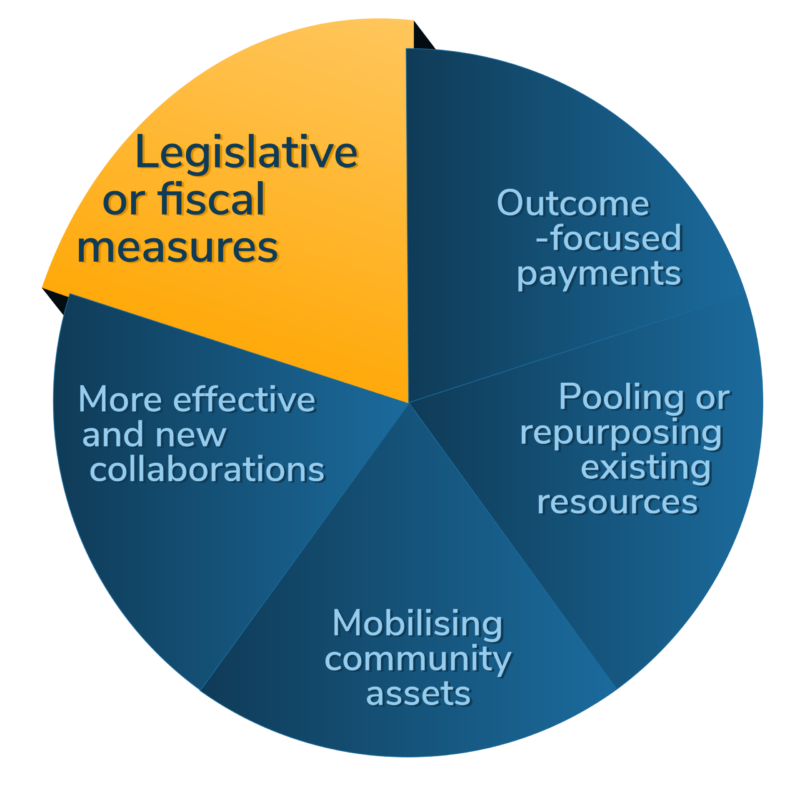
The strategy is structured around five drivers: building a prevention-focused system; improving social and economic conditions; strengthening places and communities; enabling healthy living; and ensuring equitable access to health and care.
Among these, building a prevention-focused system is the most transformative, because it changes how resources are allocated and assessed. By 2028, public bodies are expected to adopt a shared method to track and increase preventative spending, while national and local decisions should routinely consider their impact on health outcomes. Community planning partners must align their objectives with national population health frameworks, and health services will incorporate equity indicators into performance monitoring. Importantly, public bodies will be held accountable for sustaining prevention spending over time. And by 2035, a greater share of the public sector budget should be directed toward prevention.
The implementation of such goals relies on cross-sector partnerships. The government plans to identify and incentivise preventive spending, redesign budget cycles to reflect long-term value, embed health impact assessments into major policies, and apply the principle of proportionate universalism. This way, it maintains universal services while allocating more resources to those with the greatest needs. Integrated data systems and equity indicators will support transparency and accountability.
The strategy is structured around five drivers: building a prevention-focused system; improving social and economic conditions; strengthening places and communities; enabling healthy living; and ensuring equitable access to health and care.
Key outcomes and associated measurements
Each component of the plan includes a long-term target for 2035 as well as an intermediate milestone set for either 2028 or 2030. In addition, several overarching goals are intended to be achieved across the entire plan.
By 2028, progress should be visible through consistent tracking of prevention spending, greater use of evidence in decision-making, stronger alignment between local and national outcomes, and the systematic integration of equity considerations.
By 2035, the results should be reflected in both public spending patterns and population health indicators. The shift toward a prevention-oriented system will be linked to measurable outcomes, including an increase in average life expectancy of at least one year and a reduction in the gap between the poorest 20% of areas and the national average.
Publications
Related case studies

National strategy: Promoting healthy lifestyles and financing prevention in the Netherlands

The Sugar Sweetened Drinks Tax in Ireland

Abatement policies to address childhood obesity in Europe
About EuroHealthNet
Building a healthier future for all by addressing the determinants of health and reducing inequalities.
EuroHealthNet is the Partnership of public health agencies and organisations building a healthier future for all by addressing the determinants of health and reducing inequalities. Our focus is on preventing disease and promoting good health by looking within and beyond the health system.
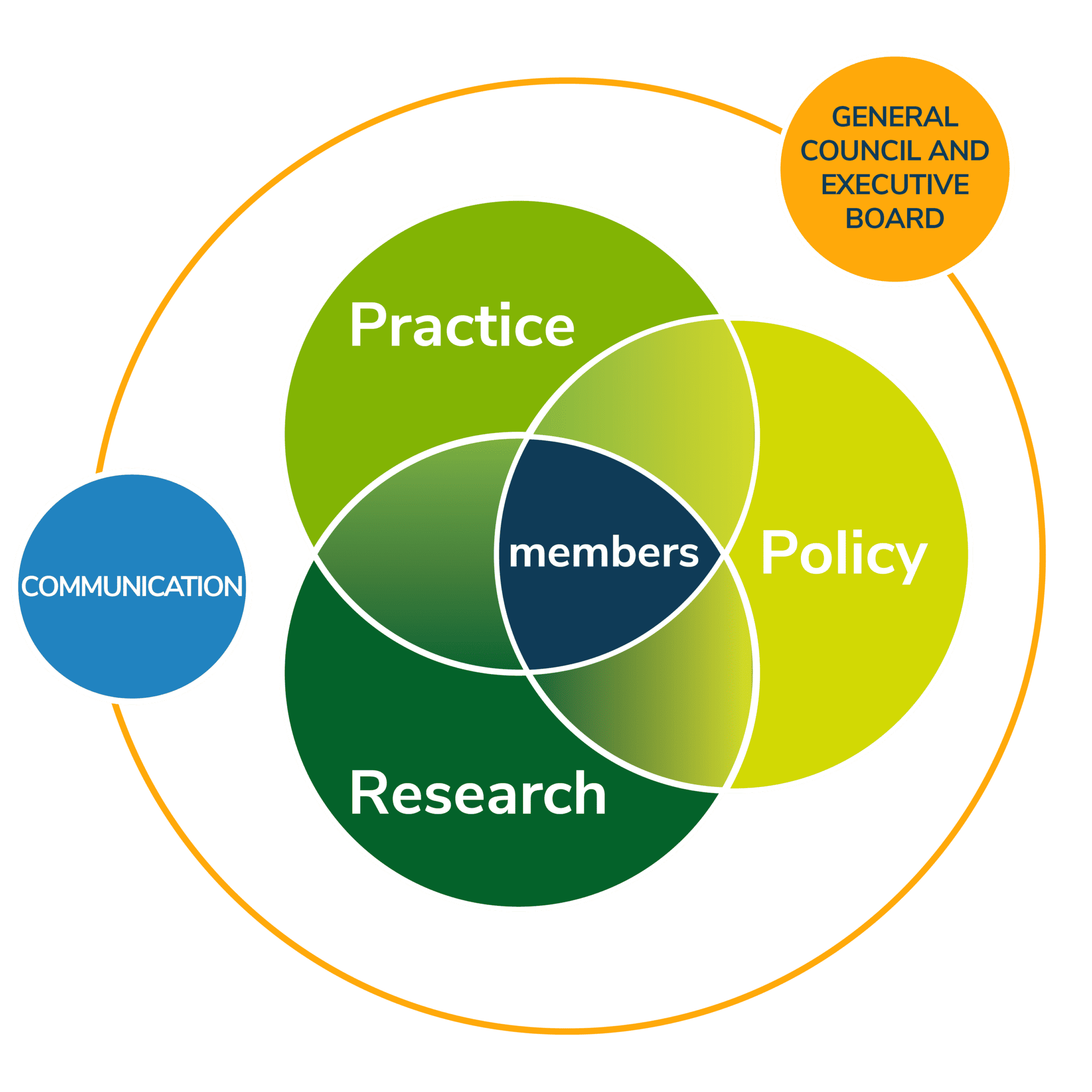
Structuring our work over a policy, a practice, and a research platform, we focus on exploring and strengthening the links between these areas.
Our approach focuses on integrated concepts to health, reducing health inequality gaps and gradients, working on determinants across the life course, whilst contributing to the sustainability and wellbeing of people and the planet.
EuroHealthNet is co-funded by the European Union. However, the information and views set out on this website are those of the author and do not necessarily reflect the official opinion of the European Commission. The Commission does not guarantee the accuracy of the data included on this website. Neither the Commission nor any person acting on the Commission's behalf may be held responsible for the use which may be made of the information contained therein.