


EuroHealthNet Guide for Financing Prevention and Health Promotion

Case studies

This page highlights real-life examples of how authorities and other public health actors are finding innovative and practical ways to finance health promotion and disease prevention. By showcasing diverse approaches across different contexts, we aim to inspire new ideas, demonstrate what works in practice, and support efforts to build more sustainable funding strategies to improve population health.

  • All
  • Legislative or fiscal measures
  • Mobilising community assets
  • More effective and new collaborations
  • Outcome-focused payments
  • Pooling or repurposing existing resources

The Sugar Sweetened Drinks Tax in Ireland

Aiming to address high levels of overweight and obesity, Ireland has implemented a tax on beverages that are high in sugar. This tax aims to curb consumer behaviour and encourage industry change.
Read More

The Prevention Act in Germany

To improve health promotion and disease prevention, Germany implemented the Prevention Act to strengthen collaboration across sectors and support preventive initiatives in schools, workplaces, and communities.
Read More

Public Health Wales launch the Well-being Economics and Value (WEAVE) team

To strengthen prevention-focused decision-making, Public Health Wales created the WEAVE team to support the use of economic and social value evidence in policies and investments that improve long-term health and wellbeing.
Read More

Abatement policies to address childhood obesity in Europe

Introduced to address rising childhood obesity rates, several European countries introduced measures such as sugar taxes, prevention programmes, and community initiatives to reduce unhealthy consumption and support health promotion. These actions contributed to the stabilisation or decline of obesity rates in several European countries.
Read More

Social Enterprise and Health and Well-being Impacts

Developed to reduce health inequalities, social enterprises in Scotland tackle drivers such as unemployment, poverty, and social isolation. They generate income through hybrid funding models and reinvest it into community initiatives that improve wellbeing, employability, and social inclusion outcomes.
Read More

Workplace Health Promotion in German Social Firms

Aiming to improve wellbeing and inclusion, workplace health promotion in German social firms supports employees with disabilities through initiatives focused on physical activity, nutrition, and mental health. These programmes are funded through company budgets, partnerships, and health insurance incentives, driving organisational change in workplace health practices.
Read More

‘Finance for Nature Positive’ initiative

To halt biodiversity loss, the UNEP-led ‘Finance for Nature Positive’ initiative seeks to redirect global financial flows towards activities that protect and restore ecosystems. It provides a framework for financial institutions to align investment strategies with nature-positive goals, shifting capital away from harmful activities and towards sustainable environmental and societal outcomes.
Read More

Maintaining employability through the TErrA Project in Germany

To support sustainable employment and reduce work-related health exits, Germany’s TErrA project promotes preventive career planning to help employees remain in the workforce through job transitions aligned with their health, skills, and motivation. This approach aims to strengthen inter-company job rotation while revealing gaps in financial support for preventive employment measures.
Read More

Health insurance funds – Combined Lifestyle Interventions in the Netherlands

Aiming to address overweight and obesity, the Netherlands integrated Combined Lifestyle Interventions (CLIs) into its basic health insurance system to provide structured, preventive care through certified professionals. These fully reimbursed two-year programmes aim to improve health outcomes and access to prevention, particularly for lower-income groups, while supporting more cost-effective national healthcare delivery.
Read More

The national programme budgeting and marginal analysis in Wales

Aiming to improve the allocation of public health resources, Wales implemented a Programme Budgeting and Marginal Analysis (PBMA) exercise to guide decisions on prevention and health improvement spending. This exercise aims to identify opportunities for disinvestment and reinvestment, reallocating £15.1 million across priority areas and life stages to improve population health and equity.
Read More

The Prioritisation Framework for public health investments – Public Health England
Designed to improve the allocation of limited public health budgets, Public Health England developed the Prioritisation Framework to support local authorities in making more effective and transparent investment decisions. This framework uses multi-criteria decision analysis to compare programmes across different criteria, guiding resource allocation under constrained budgets.
Read More

Timebanking and the co-production of preventive social care with adults

Timebanking was introduced in England as a community-based model that enables people to exchange support through time credits. This approach aims to mobilise community assets and promote co-production, strengthening social connections while offering a low-cost preventive care model funded by public bodies and grants.
Read More

Operation 15+15+15 by DoucheFLUX

Aiming to improve access to essential hygiene services for people experiencing homelessness, DoucheFLUX’s Operation 15+15+15 delivers support through a solidarity-based funding model. It combines small user contributions, public subsidies, and donations to maintain affordability while ensuring financial sustainability.
Read More

Ethical financing label in France

To direct savings towards social and environmental impact, France promotes solidarity finance through the Finansol label, which certifies financial products linked to impact-driven projects. This approach combines traditional savings tools with solidarity mechanisms such as social investment and profit-sharing, mobilising €11.5 billion in assets by 2017 to support high-impact organisations.
Read More

Hungarian public health product tax

Aiming to improve public health and strengthen health system funding, Hungary introduced a tax on unhealthy foods and beverages in 2011, targeting items such as sugary drinks, snacks, and processed foods. This tax aims to reduce consumption, encourage product reformulation, and generate revenue for health workforce salaries and prevention programmes.
Read More

National strategy: Promoting healthy lifestyles and financing prevention in the Netherlands

To tackle obesity, smoking, and physical inactivity, the Netherlands’ National Prevention Agreement brings together government, municipalities, insurers, and civil society in a long-term prevention strategy. The approach links investment in healthier environments—such as food labelling, tobacco taxes, and active living initiatives—to long-term health and economic gains, supported by measurable targets and shared co-investment models.
Read More

Scotland’s 10-year strategy “Together we can” to embed prevention into national planning, budgeting

Developed to tackle deep health inequalities and rising illness, Scotland’s 10-year prevention strategy ‘Together We Can’ embeds prevention into budgets, policy, and accountability frameworks. The strategy shifts focus from treatment to wellbeing, aligning cross-sector action, equity indicators, and long-term targets to close the healthy life expectancy gap between the richest and poorest communities.
Read More

Envisaging a Social Prescribing Fund in England

Aiming to improve wellbeing outcomes and expand access to community-based support, England has scaled up social prescribing through a £100m+ national fund and hybrid financing model. This fund combines investment from health partnerships, businesses, and philanthropy with national support, building on 2.6 million NHS referrals and programmes such as the Big Local Programme.
Read More

“Come Eat Together” – Asset-based approach to tackle loneliness

To reduce loneliness and isolation among older adults, County Durham’s ‘Come Eat Together’ delivers co-produced food and social activities such as lunch clubs and cooking sessions through local partnerships. The initiative is funded by local authority grants, Age UK resources, and small participant fees.
Read More

Portugal’s Social Innovation Initiative

Created to transform social services under austerity, Portugal’s €150m Social Innovation Initiative uses results-based financing through Social Impact Bonds and Partnerships for Impact. It shifts funding from activities to outcomes, supporting areas such as youth employability and dementia caregiver networks while building a social investment market.
Read More

Tackling unemployment and social exclusion among immigrants in Finland (Koto-SIB)

Created to improve immigrant employment and reduce integration costs, Finland’s Koto-SIB Social Impact Bond links job placements in sectors such as logistics, IT, and cleaning with investor returns tied to fiscal savings and tax revenues. The pilot aimed to place 2,500 immigrants in work, with success measured through reduced welfare spending and increased tax contributions.
Read More

Workplace health promotion to facilitate physical activity among office workers in Sweden

Designed to reduce workplace inactivity among office workers, Sweden promotes employer-led health initiatives supported by tax-free wellness allowances. Eight private companies offering fitness facilities, group classes, and paid wellness hours achieved up to 84% employee participation, reducing sedentary behaviour and long-term health risks.
Read More

Addressing maternal mortality and morbidity in California through public-private partnerships

The California Maternal Quality Care Collaborative uses a public-private partnership to reduce maternal mortality and morbidity. By bringing together hospitals, clinicians, state agencies, and private funders, the initiative provides real-time data, quality improvement programs, and staff training across more than 130 hospitals.
Read More

Tackling inequality among children and young people in UK’s West London Zone

Designed to reduce inequality among children and young people in West London, the programme connects schools, charities, and community groups to provide personalised early support. Funded through a Collective Impact Bond, it links payments to measurable progress in wellbeing, education, and social outcomes.
Read More

ADIE’s social impact contract

Developed to address rural unemployment in France, ADIE’s Social Impact Bond expands access to microcredit for job seekers and aspiring entrepreneurs in rural areas. It provides loans and business support to help participants start businesses or find employment, with investor repayment linked to measurable social and economic outcomes.
Read More

Finland’s children’s welfare social impact bond

The Children’s Welfare Social Impact Bond (Lapset-SIB) in Finland uses private investment to fund preventative child welfare services across five municipalities. Designed to reduce harm to children and lower the cost of expensive remedial care, the SIB enables municipalities to pay only for successful outcomes.
Read More

Portugal’s projeto família social impact bond

The Projeto Família Social Impact Bond in Portugal supports at-risk children by helping them remain safely in their family homes and preventing institutionalisation. Funded through a Social Impact Bond, the programme provides intensive family support and parenting guidance, with investors repaid only if agreed outcomes are achieved.
Read More

France’s hémisphère social impact bond

Developed to provide emergency accommodation and support for homeless people and asylum seekers in France, the Hémisphère Social Impact Fund combines Social Impact Bond financing with social investment. It transforms hotels into housing and delivers social services, with investor returns partly linked to outcomes such as access to education, social benefits, and permanent housing.
Read More

The UK’s mental health and employment partnership

The Mental Health and Employment Partnership (MHEP) in the United Kingdom helps people with mental health conditions, learning disabilities, or autism access paid employment. Using a Social Impact Bond, the programme funds evidence-based support services that guide participants into work, linking investor returns to measurable outcomes like job starts, job sustainment, and programme engagement.
Read More

The Skill Mill, United Kingdom

Established to reduce reoffending among young ex-offenders in the United Kingdom, The Skill Mill employs participants on environmental projects to provide work experience, training, and qualifications. Funded through Social Impact Bond payments and client revenue, the six-month programme has supported 450 young people since 2014, with a reconviction rate of 7.3% and wider social and economic benefits.
Read More

Fair chance fund

Established to support homeless young people aged 18–24 in the United Kingdom, the Fair Chance Fund uses a Social Impact Bond to finance local projects providing tailored support for housing, education, and employment. This approach links investor repayment to participants achieving outcomes such as securing accommodation, entering education or training, and gaining employment.
Read More

United Kingdom’s microcredit as a public health initiative

The UK microcredit initiative uses small, low-interest loans to promote financial inclusion and improve public health. Delivered by socially-oriented lenders like Grameen UK and Scotcash, these loans help individuals on low incomes manage everyday and unexpected expenses, reducing financial stress and supporting wellbeing.
Read More

The Brabant Outcomes Fund

To scale social impact in the Netherlands, the Brabant Outcomes Fund uses Social Outcomes Contracting to finance social enterprises working on issues such as employment, empowerment, and inclusion. The approach links public repayment to the achievement of agreed social outcomes, including job creation and improved social participation.
Read More

The Newpin Programme

Established to strengthen child protection in New South Wales, Australia, the Newpin Programme has implemented a Social Impact Bond to fund intensive family support and help children safely return home. This bond links investor repayment to successful family reunification and reduced public care costs.
Read More

Future Parks Accelerator

Developed to address declining investment in urban green spaces in the United Kingdom, the Future Parks Accelerator is a £14 million joint venture between The National Lottery Heritage Fund and the National Trust to support parks and green infrastructure. The initiative brings together partners to protect and improve parks that support health, wellbeing, and biodiversity in cities
Read More

About EuroHealthNet

Building a healthier future for all by addressing the determinants of health and reducing inequalities.

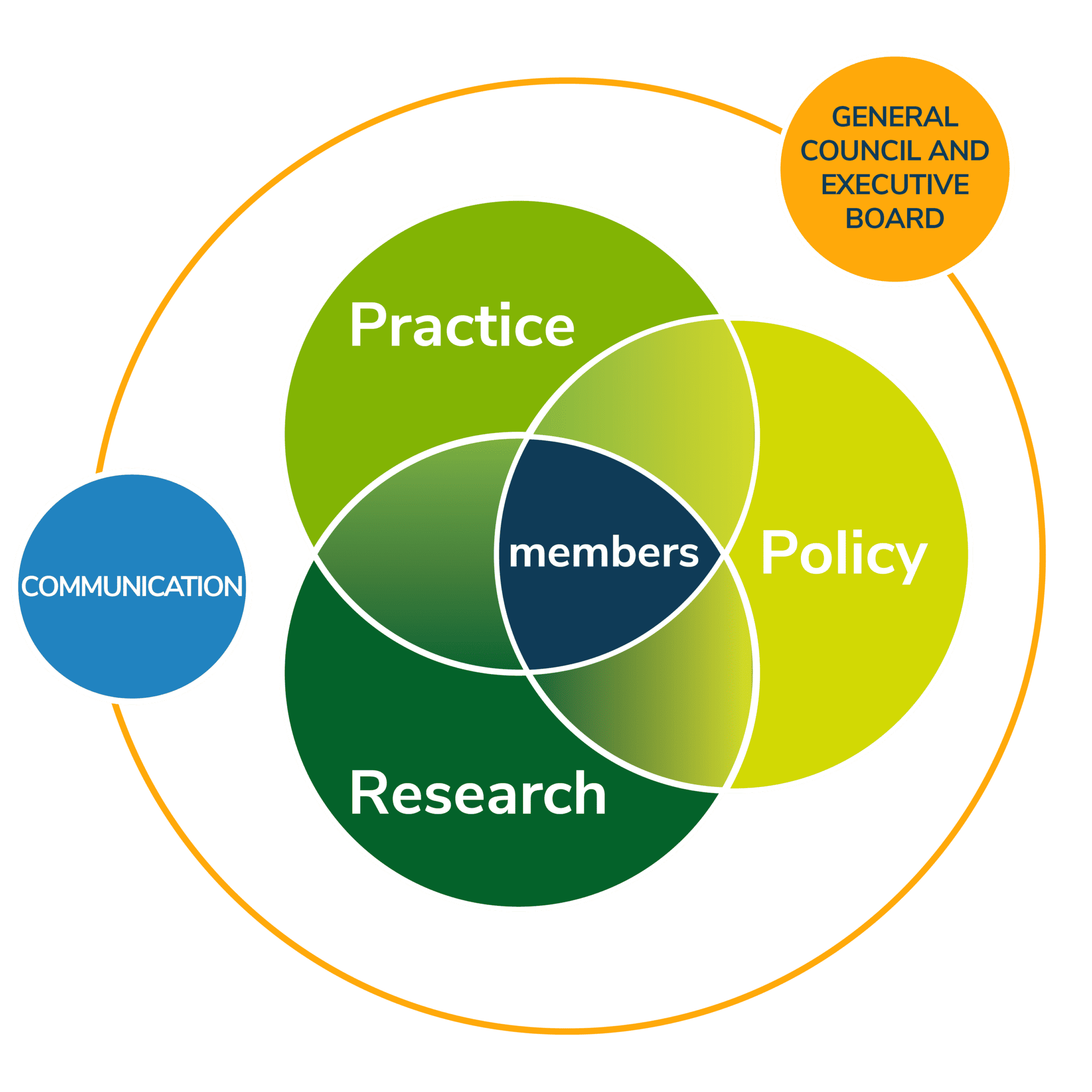
EuroHealthNet is the Partnership of public health agencies and organisations building a healthier future for all by addressing the determinants of health and reducing inequalities. Our focus is on preventing disease and promoting good health by looking within and beyond the health system.

Structuring our work over a policy, a practice, and a research platform, we focus on exploring and strengthening the links between these areas.

Our approach focuses on integrated concepts to health, reducing health inequality gaps and gradients, working on determinants across the life course, whilst contributing to the sustainability and wellbeing of people and the planet.
Venn-diagram-new-colours-dark-background-2048x2048
EN-V-Co-funded-by_WHITE-Outline

EuroHealthNet is co-funded by the European Union. However, the information and views set out on this website are those of the author and do not necessarily reflect the official opinion of the European Commission. The Commission does not guarantee the accuracy of the data included on this website. Neither the Commission nor any person acting on the Commission's behalf may be held responsible for the use which may be made of the information contained therein.

Scroll to Top