



Workplace health promotion to facilitate physical activity among office workers in Sweden

Case study
Sweden
Employer-funded with government-supported wellness allowance
Sweden tackles workplace inactivity with tax-free wellness allowances and employer-led health initiatives. Eight private companies—providing fitness facilities, group classes, and paid “wellness hours”—achieved up to 84% employee participation, reducing sedentary behavior and long-term health risks. While accessibility and flexible schedules drive success, uneven uptake and managerial attitudes remain challenges to broader impact.
Context and problems addressed
In Sweden, nearly half of the 5.1 million employed individuals work in office environments, spending up to 80% of their working hours sedentary. This lifestyle contributes to increased risks of non-communicable diseases, reduced cardiorespiratory fitness, and long-term health costs. Although the Swedish government introduced a tax-free wellness allowance in 1988 to promote physical activity among workers, around 60–70% of eligible employees make use of this benefit. Moreover, barriers such as time constraints, lack of information, and insufficient access to facilities hinder broader uptake. In response, several private office companies implemented more comprehensive workplace health promotion strategies to support employee well-being and reduce sedentary behavior.
Intervention and financing model
The workplace health promotion strategies related to physical activity were examined in eight private office-sector companies across Sweden between May and December 2021. Companies offered a combination of benefits including the wellness allowance (up to €450 per employee annually), in-house fitness facilities, group exercise classes, health education, and weekly "wellness hour" during paid work hours.
The companies covered the cost of these services themselves, while the wellness allowance remained a tax-exempt government-supported benefit. One common innovation was the use of digital reward platforms, which allowed employees to claim expenses without up-front payments. The companies varied in their investment levels, with wellness-related expenditures ranging from €3,500 to €1.4 million annually. The primary objective was to reduce sedentary time and promote physical activity among office workers during and beyond working hours.
Companies offered a combination of benefits including the wellness allowance (up to €450 per employee annually), in-house fitness facilities, group exercise classes, health education, and weekly "wellness hour" during paid work hours.
Key outcomes and associated measurements
The study found that all participating companies offered health promotion services, and four had wellness allowance usage rates aligning with national averages (60–70%). Two smaller companies reported even higher usage rates (up to 84%). Key facilitators included easy access to gyms, changing facilities, flexible work schedules, and integration of wellness activities into work culture.
Barriers included limited internal communication, workplace norms, and managerial attitudes.
Investments in workplace health promotion showed potential cost-effectiveness, especially when comparing the health and productivity benefits against absenteeism and long-term healthcare costs. However, participation in these programmes was not uniform across companies. Variations in how benefits were structured and communicated contributed to unequal uptake among employees. Furthermore, challenges such as out-of-pocket pre-payments and insufficient managerial training on how to promote workplace health were highlighted as persistent obstacles.
Although wellness initiatives were popular and generally well-received, the study emphasised the importance of organizational commitment and employee engagement in achieving sustainable outcomes. The wellness allowance and broader workplace health promotion policies also raised ethical questions about privacy, autonomy, and the risk of excluding employees who do not conform to health-focused norms.
Related case studies

Envisaging a Social Prescribing Fund in England

The UK’s mental health and employment partnership

The Brabant Outcomes Fund
About EuroHealthNet
Building a healthier future for all by addressing the determinants of health and reducing inequalities.
EuroHealthNet is the Partnership of public health agencies and organisations building a healthier future for all by addressing the determinants of health and reducing inequalities. Our focus is on preventing disease and promoting good health by looking within and beyond the health system.
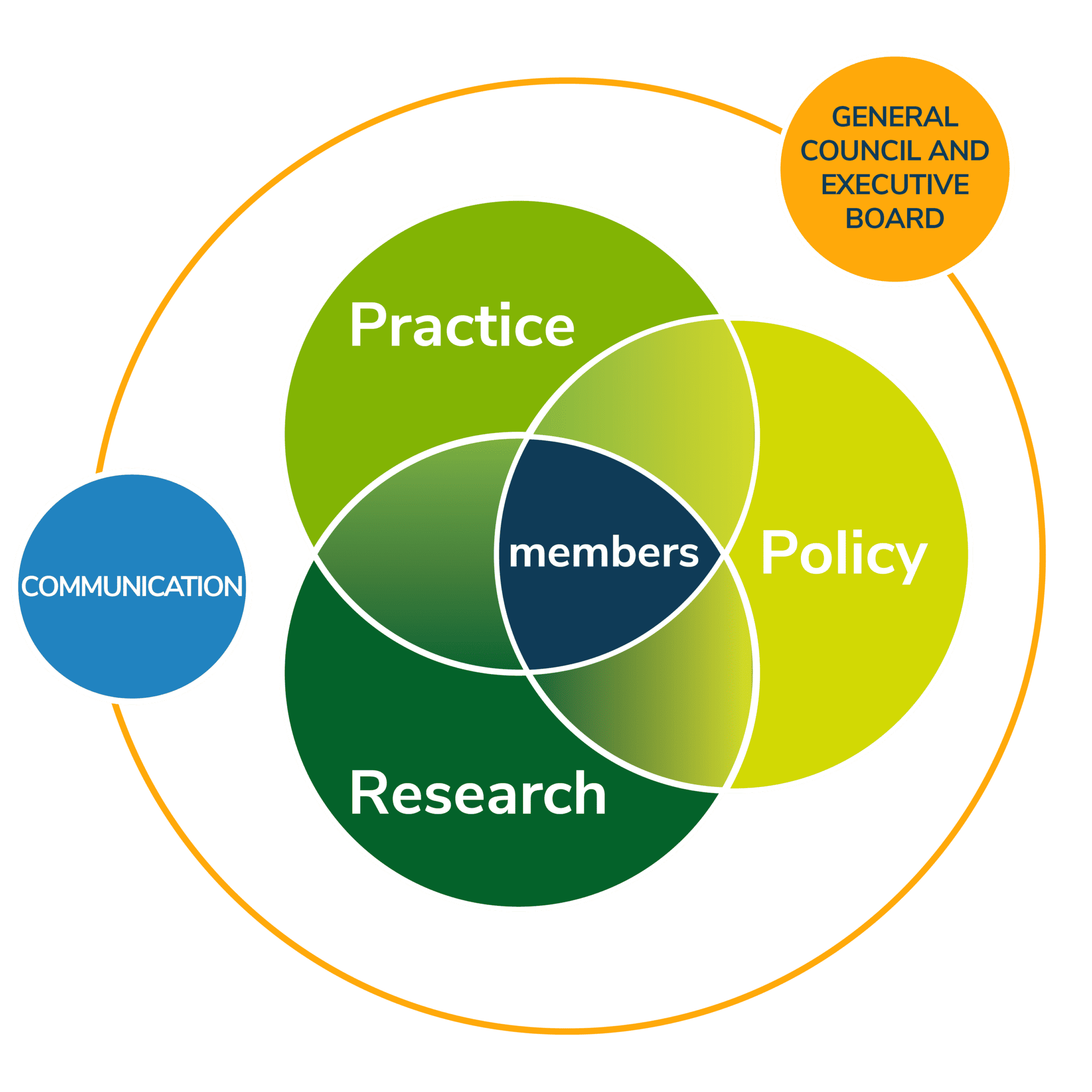
Structuring our work over a policy, a practice, and a research platform, we focus on exploring and strengthening the links between these areas.
Our approach focuses on integrated concepts to health, reducing health inequality gaps and gradients, working on determinants across the life course, whilst contributing to the sustainability and wellbeing of people and the planet.
EuroHealthNet is co-funded by the European Union. However, the information and views set out on this website are those of the author and do not necessarily reflect the official opinion of the European Commission. The Commission does not guarantee the accuracy of the data included on this website. Neither the Commission nor any person acting on the Commission's behalf may be held responsible for the use which may be made of the information contained therein.