



Fair chance fund
Improving outcomes for homeless youth in the UK

Case study
United Kingdom
Social Impact Bond (SIB)
The Fair Chance Fund in the United Kingdom used a Social Impact Bond to help homeless young people aged 18-24 secure housing, education, and employment. Social investors funded local projects, which provided tailored, holistic support, and were repaid only when participants achieved agreed outcomes. Over three years, the programme helped most participants find accommodation, many entered education or training, and a third gained employment.
Context and problems addressed
In the United Kingdom, homeless young people who are not in education, training or employment are defined as not being in priority need under the current homelessness legislation. They also face a range of barriers to securing and sustaining accommodation and employment. Due to the complexity of their needs and circumstances, existing services often fail to adequately support them. These vulnerable young people therefore need coordinated support that can holistically address their housing, educational, and employment needs.
Intervention and financing model
The Fair Chance Fund was a 3-year social impact bond programme which ran from January 2015 to December 2017. The aim was to improve accommodation, education, and employment outcomes for homeless young people aged 18-24. Seven projects were funded under the programme, and were granted flexibility in designing and implementing their own intervention approaches. Each established their own delivery model, informed by the pattern of existing provision and the specific challenges presented by local housing and employment markets. Common elements included a housing-led approach where securing accommodation was the foundation for achieving other outcomes, and the appointment of link workers who provided holistic support tailored to individual needs.
The Fair Chance Fund was funded by the Ministry of Housing, Communities and Local Government and the Cabinet Office / Department for Digital, Culture, Media and Sport. It was funded on a 100% payment by results basis, with projects being backed by social impact bonds (SIBs) following a competitive bidding process. Social investors funded project providers to set up and deliver services, recouping their investments if and when outcomes were achieved, and triggering payments against a set of specific metrics and tariffs. The value of outcomes available ranged from £1.3 million to £2.9 million depending on the region. In terms of funding, the investment secured under their individual SIB arrangements ranged from £310,00 to over £1 million.
Local authorities played a key role in referring participants through their involvement in local ‘referral gateways’, to avoid the risk of cherry picking and focusing efforts on those most likely to achieve outcomes.
Social investors funded project providers to set up and deliver services, recouping their investments if and when outcomes were achieved, and triggering payments against a set of specific metrics and tariffs.
Key outcomes and associated measurements
A total of 1,910 young people were recruited by the seven projects during the Year 1 recruitment period, having been allowed to overrecruit on their initial targets by 10% to allow for drop-out. Of all participants enrolled, 87% entered accommodation, with 62% maintaining it for 18 months. 55% of all participants achieved an entry to education or training outcome. Young people engaging with the FCF were less interested in taking up education and training opportunities than originally anticipated. 33% of participants secured employment, with 19% maintaining full-time employment for 13 weeks and 13% for 26 weeks. This outcome was particularly significant given the multiple barriers faced by the participants.
Project performance overall can be summarised in terms of payment received against the value of the outcomes in the bids. Each project claimed either 100% of the outcome value in their bids or where within 10% of doing so. The evaluation acknowledged that while it was difficult to determine whether the SIB or payment-by-results arrangements were more successful, both mechanisms were influential: payment-by-result incentivised outcome achievement, while SIBs provided financial scrutiny and flexibility, promotion innovation and improved delivery.
It is important to note that the estimated costs, cost savings and social value varied considerably between each individual. The costed case studies carried out analysed the costs and benefits of Fair Chance Fund participation for eight individuals. Five participants achieved cost savings and social value exceeding intervention costs in the final year, while for three, costs outweighed savings.
Publications
Related case studies

The Skill Mill, United Kingdom

The UK’s mental health and employment partnership

Portugal’s projeto família social impact bond
About EuroHealthNet
Building a healthier future for all by addressing the determinants of health and reducing inequalities.
EuroHealthNet is the Partnership of public health agencies and organisations building a healthier future for all by addressing the determinants of health and reducing inequalities. Our focus is on preventing disease and promoting good health by looking within and beyond the health system.
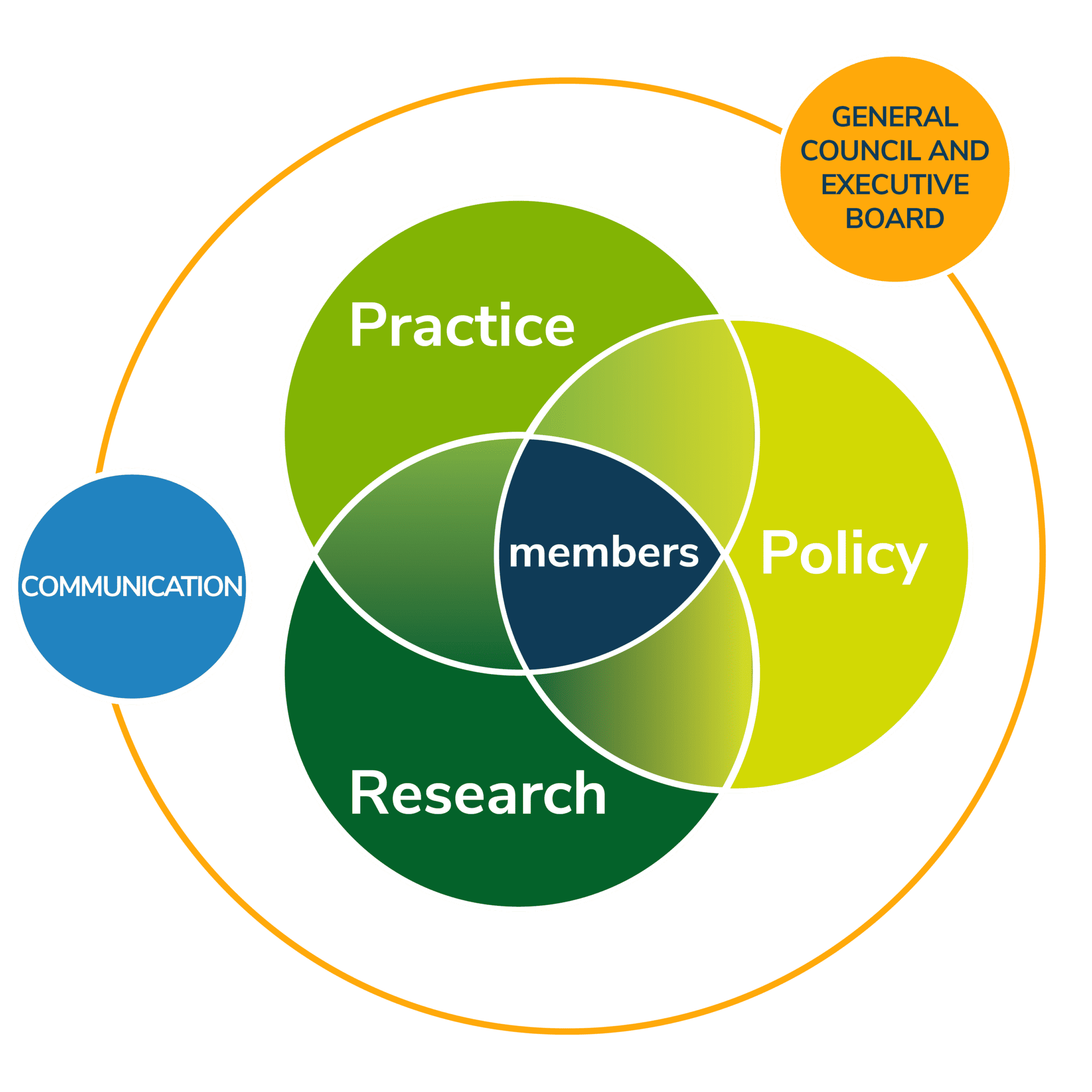
Structuring our work over a policy, a practice, and a research platform, we focus on exploring and strengthening the links between these areas.
Our approach focuses on integrated concepts to health, reducing health inequality gaps and gradients, working on determinants across the life course, whilst contributing to the sustainability and wellbeing of people and the planet.

EuroHealthNet is co-funded by the European Union. However, the information and views set out on this website are those of the author and do not necessarily reflect the official opinion of the European Commission. The Commission does not guarantee the accuracy of the data included on this website. Neither the Commission nor any person acting on the Commission's behalf may be held responsible for the use which may be made of the information contained therein.