



Addressing rural unemployment in France through ADIE’s social impact contract

Case study
France
Social Impact Bond (SIB)
The ADIE Social Impact Bond in France uses private investment to expand access to microcredits for job seekers and aspiring entrepreneurs in rural areas. By providing loans and business support to those excluded from traditional financing, the programme helps participants start businesses or secure employment, while repayment to investors is tied to measurable social and economic outcomes.
Context and problems addressed
In 2016, France’s average unemployment rate stood at 10.1%, which was higher than the average European Union rate of 8.1%. Unemployment rates vary from region to region and are significantly higher in rural areas compared to urban areas.
This economic disparity led to social challenges for people affected by unemployment, as well as to the desertification of towns and increased financial strain on local authorities. In fact, the cost to the state is estimated at € 15 470/year/person for job seekers no longer receiving unemployment assistance. This number corresponds to the aggregate cost of the various benefits, social assistance and loss in revenue to the State attributable to each individual.
Limited access to financial services further exacerbated the issue, especially for individuals lacking capital or formal qualifications. One potential solution is the use of microcredits. In fact, assisted microcredits are acknowledged by public authorities as a factor of social and economic inclusion, job creation, social cohesion and regional development.
Intervention and financing model
In order to address the issue of job desertification in rural areas and regenerate these regions, the Association for the Rights to Economic Initiative (ADIE) launched a social impact bond to promote access to microcredit for deprived beneficiaries. The programme targeted job seekers, recipients of minimum social benefits who aspired to start their own business, and individuals who could secure employment with improved mobility. The goal was to support them to develop a business activity in remote rural areas and re-enter the labour market.
Five investors collectively provided EUR 1.3 million in funds, distributed in four instalments between July 2017 and January 2020. ADIE was responsible for delivering its services across three rural areas. Repayment to investors was contingent upon the programme’s success, with the savings generated by the Ministry for the Economy and Finance being used to reimburse them.
The results and impact of the programme are evaluated using appraisal criteria. The two results-based criteria focused on: 1) providing financing and support to at least 270 beneficiaries who were unable to obtain loans, and 2) ensuring the sustainable economic integration of 172 to 320 individuals over a period of two to three years.
Repayment to investors was contingent upon the programme’s success, with the savings generated by the Ministry for the Economy and Finance being used to reimburse them.
Key outcomes and associated measurements
Between 2017 and 2019, ADIE’s SIB facilitated the financing and support of 500 individuals in the targeted regions (Alpes, Burgundy, Occitanie). These individuals are expected to achieve long-term re-entry into the labor market, generating over EUR 2 million in savings for the State.
ADIE estimated that for every euro invested in this programme, the local authority gains €2.38 after two years.
Publications
Related case studies

Fair chance fund

Tackling inequality among children and young people in UK’s West London Zone

Portugal’s Social Innovation Initiative
About EuroHealthNet
Building a healthier future for all by addressing the determinants of health and reducing inequalities.
EuroHealthNet is the Partnership of public health agencies and organisations building a healthier future for all by addressing the determinants of health and reducing inequalities. Our focus is on preventing disease and promoting good health by looking within and beyond the health system.
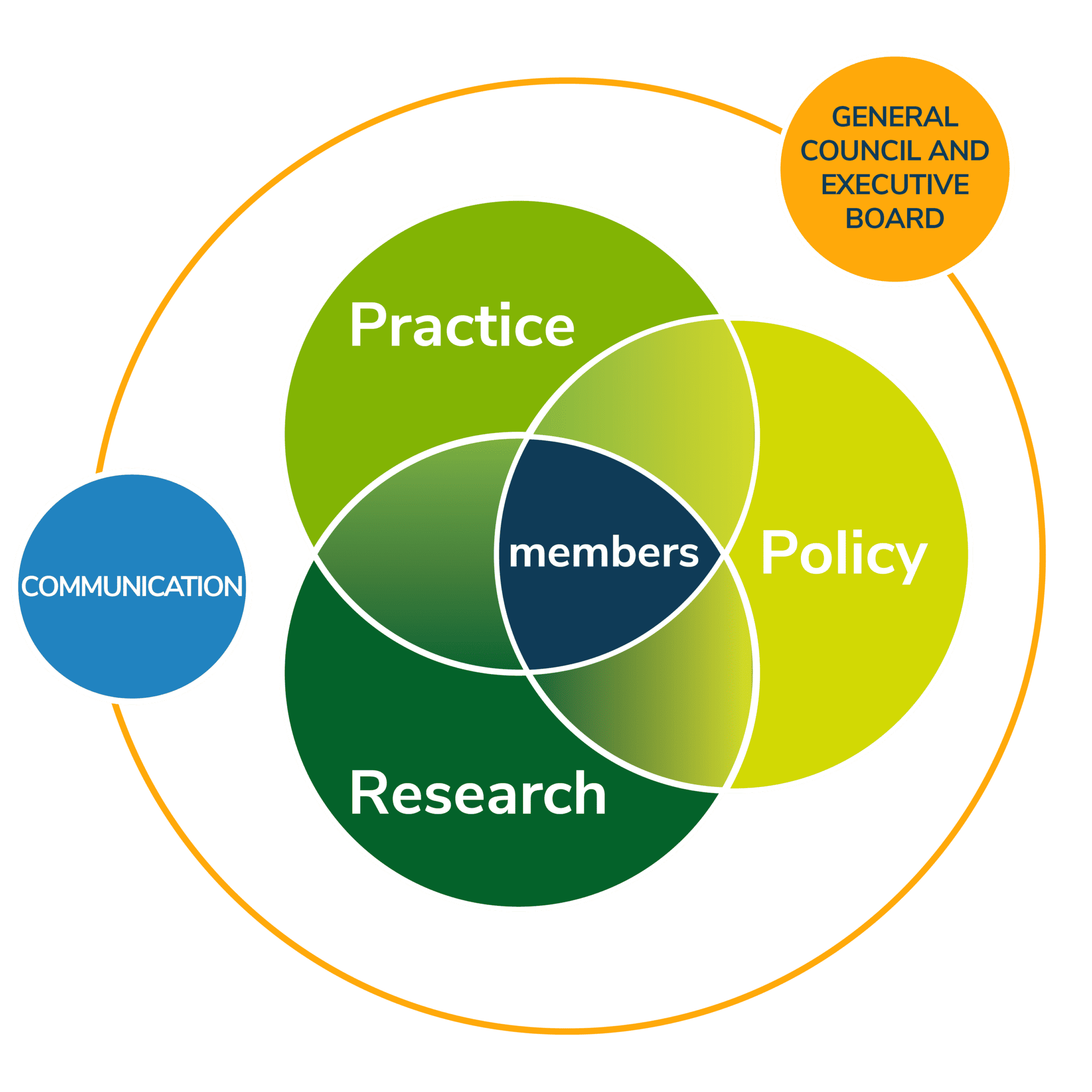
Structuring our work over a policy, a practice, and a research platform, we focus on exploring and strengthening the links between these areas.
Our approach focuses on integrated concepts to health, reducing health inequality gaps and gradients, working on determinants across the life course, whilst contributing to the sustainability and wellbeing of people and the planet.

EuroHealthNet is co-funded by the European Union. However, the information and views set out on this website are those of the author and do not necessarily reflect the official opinion of the European Commission. The Commission does not guarantee the accuracy of the data included on this website. Neither the Commission nor any person acting on the Commission's behalf may be held responsible for the use which may be made of the information contained therein.