


Tackling inequality among children and young people in UK’s West London Zone

Case study
England, United Kingdom
Collective Impact Bond
United Kingdom tackles inequality among children and young people by connecting local schools, charities, and community groups to provide personalised, early-action support. Funded through a Collective Impact Bond, the programme links payments to measurable progress across wellbeing, education, and social outcomes.
Context and problems addressed
The ‘West London Zone’ area in London is home to around 66,000 children and young people aged 0-25 years. It is an area of deep inequality where 1 in 5 children and young people are not getting the support they need to thrive. Research indicates that around 12,000 children and young people in the area require additional support. Without it, they are more likely to face challenges later in life, including unemployment, social isolation, and poor mental and emotional health. However, the existing support systems often operate in isolation and lack the flexibly to address the specific needs of individual children.
Intervention and financing model
The West London Zone (WLZ) – recently renamed AllChild – is a targeted, early-action intervention that aims to connect West London’s rich ecology of local ‘social assets’ – including charities, nurseries, schools, community groups – to deliver better outcomes for children. The programme aims to ensure that children enter adulthood with good physical and mental health, are prepared for sustained employment, and can establish positive relationships.
The WLZ programme operates through a 2-year personalised support plan for each child, developed in collaboration with families, schools, and over 40 local partners. Each child is paired with a ”link worker” who builds a trusted, lasting relationship with the child and ensures they receive the right support based on their personalised plan. The programme expanded its reach from working with 132 young people in 2016 to 1,001 in 2021.
To fund the project, WLZ uses a Collective Impact Bond. This funding model pools funding from local authorities, schools and private philanthropists, with additional contributions by central government and national lottery funding. Payments are only released when each individual child engages with the programme and makes measurable progress after two years, ensuring that even the most challenging cases are given the attention they need. There are seven ‘outcome areas’ that span across four domains: positive relationships, emotional and mental wellbeing, progress at school, and confidence and aspiration. Each outcome has specific measures which can release payment at the end of each child’s two-year programme. While WLZ is paid on an outcomes-basis through the Collective Impact Bond, delivery partners are paid on a fee-for-service basis.
Payments are only released when each individual child engages with the programme and makes measurable progress after two years, ensuring that even the most challenging cases are given the attention they need.
Key outcomes and associated measurements
In 2019, 71% of young people at risk in their peer relationships met their desired outcomes and 68% in 2020. In both 2019 and 2020, 64% of young people at risk concerning emotional wellbeing met their outcomes. In 2019, 51% of young people at risk in English courses and 33% at risk in mathematics courses achieved the desired outcomes.
Over the past 4 years, WLZ’s annual income tripled from £1.3m in 2016 to £3.9 million in the academic year 2019/20. The programme consistently achieved its Collective Impact Bond targets, which in turn has driven revenue generation. Philanthropy targets were also consistently surpassed.
However, it remains challenging to determine WLZ’s long-term impact once a child finishes the two-year programme. The COVID-19 pandemic also disrupted academic progress and emotional well-being, complicating data collection on the programme’s overall impact.
Key outcomes and associated measurements
In 2019, 71% of young people at risk in their peer relationships met their desired outcomes and 68% in 2020. In both 2019 and 2020, 64% of young people at risk concerning emotional wellbeing met their outcomes. In 2019, 51% of young people at risk in English courses and 33% at risk in mathematics courses achieved the desired outcomes.
Over the past 4 years, WLZ’s annual income tripled from £1.3m in 2016 to £3.9 million in the academic year 2019/20. The programme consistently achieved its Collective Impact Bond targets, which in turn has driven revenue generation. Philanthropy targets were also consistently surpassed.
However, it remains challenging to determine WLZ’s long-term impact once a child finishes the two-year programme. The COVID-19 pandemic also disrupted academic progress and emotional well-being, complicating data collection on the programme’s overall impact.
Publications
Related case studies
Fair chance fund

Envisaging a Social Prescribing Fund in England

The Skill Mill, United Kingdom
About EuroHealthNet
Building a healthier future for all by addressing the determinants of health and reducing inequalities.
EuroHealthNet is the Partnership of public health agencies and organisations building a healthier future for all by addressing the determinants of health and reducing inequalities. Our focus is on preventing disease and promoting good health by looking within and beyond the health system.
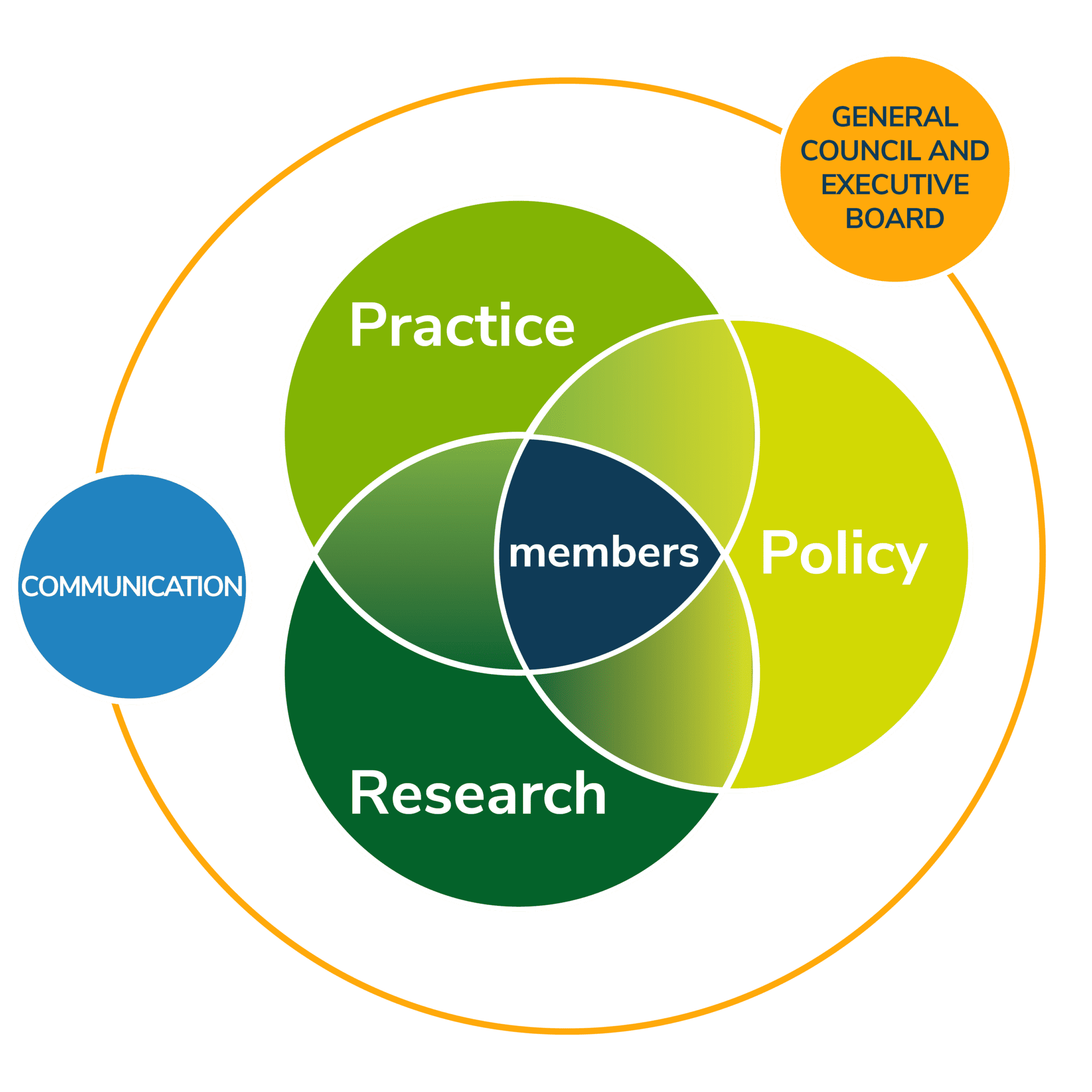
Structuring our work over a policy, a practice, and a research platform, we focus on exploring and strengthening the links between these areas.
Our approach focuses on integrated concepts to health, reducing health inequality gaps and gradients, working on determinants across the life course, whilst contributing to the sustainability and wellbeing of people and the planet.
EuroHealthNet is co-funded by the European Union. However, the information and views set out on this website are those of the author and do not necessarily reflect the official opinion of the European Commission. The Commission does not guarantee the accuracy of the data included on this website. Neither the Commission nor any person acting on the Commission's behalf may be held responsible for the use which may be made of the information contained therein.