



The Newpin Programme
Restoring families and transforming child protection in Australia

Case study
Australia
Social Impact Bond (SIB)
Child protection systems around the world are under increasing pressure to better support vulnerable families and prevent children from entering long-term out-of-home care. The Newpin Programme in New South Wales, Australia, uses a Social Impact Bond to fund intensive family support, helping children safely return home. Investors are repaid based on the programme’s success in improving family reunification and reducing government costs.
Context and problems addressed
Australia, like many other countries, faces significant challenges in child protection, particularly regarding the placement of children in out-of-home care due to safety concerns. In New South Wales (NSW), there are currently over 4,000 children in living away from their parents in out-of-home care, leading to concerns about the long-term effects on children and families and highlighting a strong need for investment in reunification services.
Intervention and financing model
The New Parent Infant Network (Newpin) is an intensive family restoration programme which is delivered by Uniting Communities (a community service organisation in NSW) in partnership with the South Australian Department for Child Protection. While the programme has existed since 1998, the launch of the Newpin Social Benefit Bond (SBB) in NSW in 2013 marked a new era for the program. In fact, the SBB arrangement brought a much sharper focus on measuring impact, and a more deliberate approach to supporting families who could most benefit from the programme.
The Programme is an 18-month centre-based programme that is designed to strengthen family engagement to enable children to return to and live safely with their families. Parents are supported to work with their strengths to improve parent-child relationships and learn from their peers.
The Newpin SIB is an outcomes-based contract where private investors provide $6.5 million in capital to Uniting Communities to fund the program. Payments to Uniting Communities are based on the proportion of children reunified with their families, with repayment tied to the programme’s success in achieving positive outcomes that reduce government service costs. Investors receive returns based on the programme’s performance.
The Newpin SIB is an outcomes-based contract where private investors provide $6.5 million in capital to Uniting Communities to fund the program. Payments to Uniting Communities are based on the proportion of children reunified with their families, with repayment tied to the programme’s success in achieving positive outcomes that reduce government service costs.
Key outcomes and associated measurements
The programme has successfully restored 59% of children to their families, a rate nearly three times higher than the 20% counterfactual restoration rate used for comparison in the SBB arrangement. Moreover, approximately 65% of children who were at risk of being removed from their families were able to remain safely at home, avoiding entry into out-of-home care.
Investors received a financial return of 10% per year.
The Newpin SIB model was replicated in two other regions in Australia. The bond in Queensland had to however be terminated only three years into the planned seven-year term due to insufficient participant numbers and unclear integration with local child protection systems. This highlights that even if a programme was well structured and funded, implementing it in a new context is never straightforward. Implementation risks therefore need to be carefully considered.
Related case studies

The UK’s mental health and employment partnership

Portugal’s projeto família social impact bond

Tackling unemployment and social exclusion among immigrants in Finland (Koto-SIB)
About EuroHealthNet
Building a healthier future for all by addressing the determinants of health and reducing inequalities.
EuroHealthNet is the Partnership of public health agencies and organisations building a healthier future for all by addressing the determinants of health and reducing inequalities. Our focus is on preventing disease and promoting good health by looking within and beyond the health system.
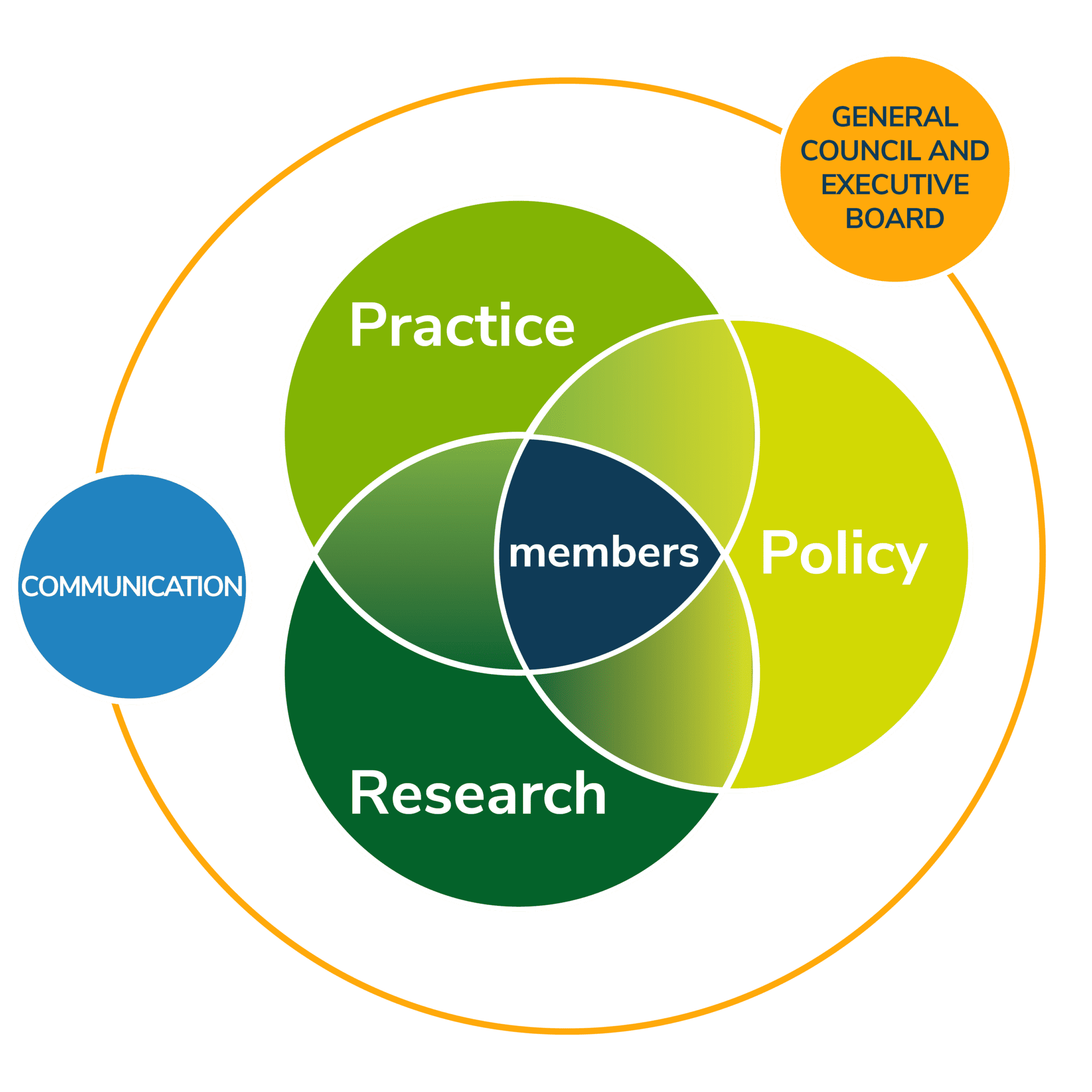
Structuring our work over a policy, a practice, and a research platform, we focus on exploring and strengthening the links between these areas.
Our approach focuses on integrated concepts to health, reducing health inequality gaps and gradients, working on determinants across the life course, whilst contributing to the sustainability and wellbeing of people and the planet.

EuroHealthNet is co-funded by the European Union. However, the information and views set out on this website are those of the author and do not necessarily reflect the official opinion of the European Commission. The Commission does not guarantee the accuracy of the data included on this website. Neither the Commission nor any person acting on the Commission's behalf may be held responsible for the use which may be made of the information contained therein.