



"Come Eat Together" - Asset-based approach to tackle loneliness

Case study
England (United-Kingdom)
Asset-based community development
County Durham combats loneliness and isolation among older adults with “Come Eat Together,” a co-produced food and social initiative. By partnering with 67 local businesses, 350 volunteers, and older residents themselves, the project delivers lunch clubs, cooking classes, and shopping support—funded through local authority grants, Age UK resources, and small participant fees. Over three years, it reached 3,485 people, with 97% reporting new social connections and many transitioning into volunteer roles, proving the power of community-driven, asset-based solutions.
Context and problems addressed
In County Durham, England, an ageing population and widespread socioeconomic deprivation have contributed to rising levels of social isolation among older people. One in five adults over 65 reported feeling lonely, with 11% feeling intensely lonely. Barriers such as limited mobility, lack of motivation to cook for oneself, inaccessible transport, and limited cooking skills were all identified as contributing factors. The “Come Eat Together” project was developed to address these issues by promoting social interaction through food-related activities.
Intervention and financing model
Launched in 2012 and scaled county-wide in 2014, “Come Eat Together” is an initiative of Age UK County Durham aimed at promoting social inclusion and healthy eating for people aged 55 and over. The project was co-created with community input following a consultation commissioned by NHS County Durham and Durham County Council. Activities were funded through a combination of local authority support, Age UK resources, and small participant contributions (ranging from £1 to £10 per session).
Activities included non-traditional lunch clubs hosted in local businesses, men's breakfast clubs, cooking classes, grow-your-own food sessions, and shopping support services. The project relied on partnerships with 67 local businesses and organisations, as well as over 350 volunteers. Activities were adapted to local needs across urban and rural areas and managed by a dedicated team of Age UK staff. A key design feature was co-production: involving older people directly in shaping the types of activities delivered, allowing services to better reflect participants' preferences.
Activities were funded through a combination of local authority support, Age UK resources, and small participant contributions (ranging from £1 to £10 per session).
Key outcomes and associated measurements
Between April 2014 and July 2017, “Come Eat Together” reached 3,485 older people. Feedback data indicated that 97% of participants who completed surveys reported making new social connections. Stakeholders highlighted that the model helped build community resilience by involving older adults as both participants and volunteers. Many service users transitioned into volunteer roles, reflecting the project’s success in empowering its target group.
Sustainability and scalability were enabled by innovative partnerships with local businesses, which benefited from increased visibility and trade. However, maintaining such partnerships was more difficult in areas with few community assets or where partners faced business closures. Organisational support from Age UK remained essential, especially in deprived or rural areas with limited infrastructure.
Despite strong outcomes, the project’s reliance on local context raised questions about replicability. The evaluation underscored that what works in one area may not succeed elsewhere without significant local adaptation. The project demonstrated that effective asset-based interventions require genuine co-production, in-depth community engagement, and flexibility from delivering organisations.
Publications
Related case studies

Portugal’s projeto família social impact bond

Finland’s children’s welfare social impact bond
Tackling unemployment and social exclusion among immigrants in Finland (Koto-SIB)
About EuroHealthNet
Building a healthier future for all by addressing the determinants of health and reducing inequalities.
EuroHealthNet is the Partnership of public health agencies and organisations building a healthier future for all by addressing the determinants of health and reducing inequalities. Our focus is on preventing disease and promoting good health by looking within and beyond the health system.
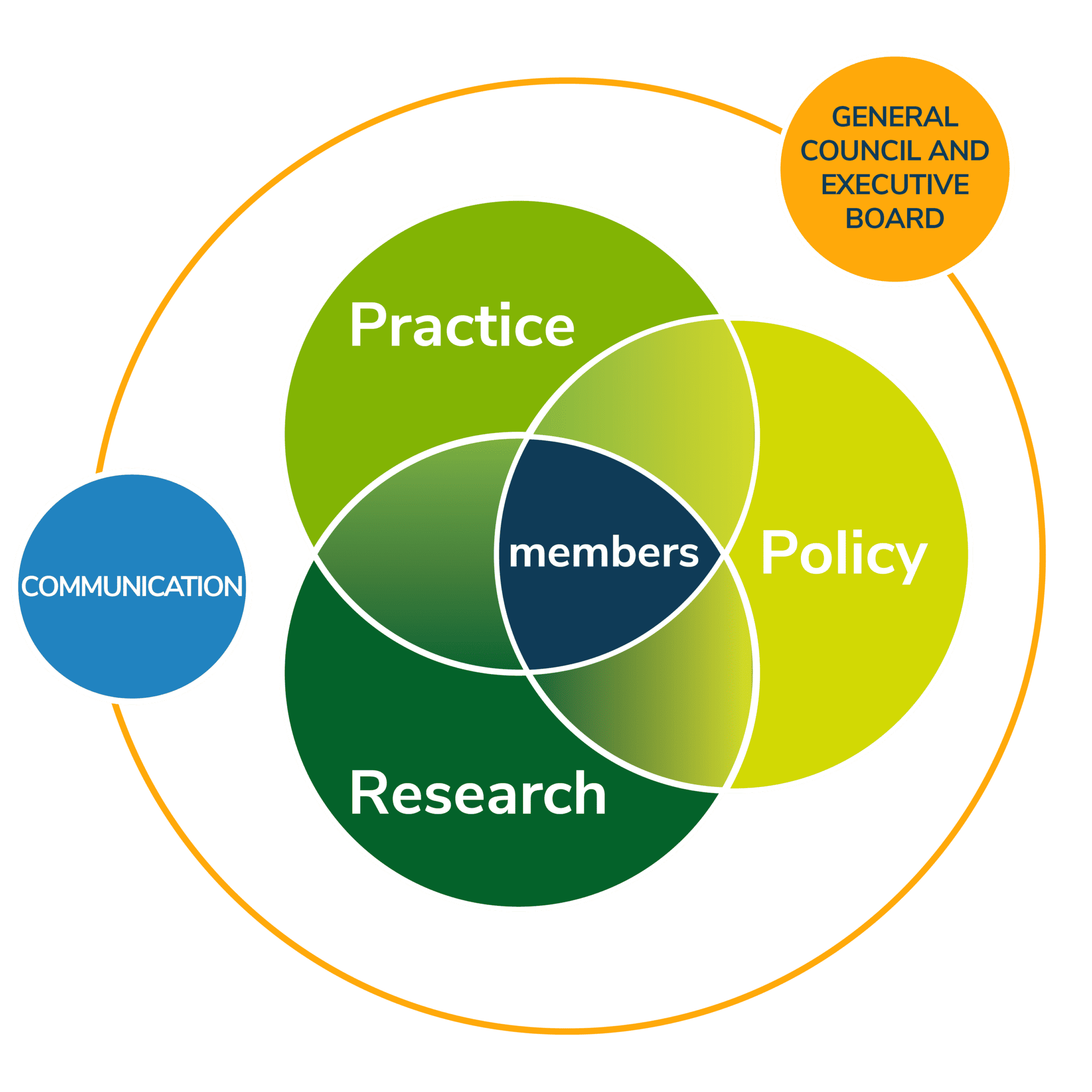
Structuring our work over a policy, a practice, and a research platform, we focus on exploring and strengthening the links between these areas.
Our approach focuses on integrated concepts to health, reducing health inequality gaps and gradients, working on determinants across the life course, whilst contributing to the sustainability and wellbeing of people and the planet.

EuroHealthNet is co-funded by the European Union. However, the information and views set out on this website are those of the author and do not necessarily reflect the official opinion of the European Commission. The Commission does not guarantee the accuracy of the data included on this website. Neither the Commission nor any person acting on the Commission's behalf may be held responsible for the use which may be made of the information contained therein.