



Portugal’s Social Innovation Initiative

Case study
Portugal
Social Impact Bond (SIB)
Portugal transforms social services under austerity with a €150m Social Innovation Initiative, blending results-based financing and capacity-building. Through Social Impact Bonds and Partnerships for Impact, the 2014–2020 program shifted funding from activities to outcomes—supporting projects like youth employability and dementia caregiver networks—while fostering a sustainable social investment market. Today, its legacy continues in the Portugal Social Innovation 2030 Initiative, proving that innovation can turn fiscal constraints into long-term social impact.
Context and problems addressed
In the aftermath of the European sovereign debt crisis, Portugal faced severe fiscal constraints alongside growing social needs. In May 2011, the country entered into a three-year Economic Adjustment Programme with the European Union, the European Central Bank, and the International Monetary Fund. The austerity measures that followed increased unemployment and poverty and placed additional pressure on already strained public services.
In response to this context, Portugal identified social innovation and social entrepreneurship as key priorities of the 2014 to 2020 Partnership Agreement with the European Commission, which set down the strategy for the optimal use of throughout the country. Recognising the limits of traditional grant-based funding and policies focused mainly on activities rather than results, the government aimed to introduce new financing mechanisms that would promote efficiency, measurable outcomes, and long-term sustainability. To support this shift, 101 million euros from the were allocated to finance social innovation projects and to help build a social investment market in Portugal, mobilising more 51 million euros of social investment. Funding and policies focused mainly on activities rather than results, the government aimed to introduce new financing mechanisms that would promote efficiency, measurable outcomes, and long-term sustainability.
Intervention and financing model
Portugal’s Social Innovation Initiative (PSI) was launched in December 2014 as a public private partnership within the country’s European Structural and Investment Funds (ESIF) programme. During the 2014 to 2020 period, Portugal received 9.14 billion euros from the European Social Fund, including both EU and national contributions, representing about 24.7 percent of its total ESIF allocation. Within this framework, stood out as one of the most innovative components.
The initiative was inspired by the United Kingdom’s (now called “Better Society Capital”) model, while adapting its approach to Portugal’s specific institutional and financial context.
The initiative focused on social economy organisations such as associations, cooperatives, foundations, and social enterprises, by offering a mix of financial tools and capacity-building support through two main instruments.
First, Social Impact Bonds (SIBs) introduced a simple results-based financing model. Private investors provided upfront funding to projects tackling social challenges in areas such as employment, social protection, justice, health, and education. Public authorities repaid these investors only if the agreed results were achieved. This approach reduced the financial risk for the public sector and encouraged a shift from paying for activities to paying for measurable results. For example, the Cuidar de Quem Cuida project supported informal caregivers of people with dementia through psychoeducational programmes, mutual-help groups and individual psychological or social support. Similarly, Faz-Te Forward targeted youth employability in the Porto Metropolitan Area through a 10-month mentoring and coaching programme for young people not in employment, education or training (NEET), helping participants access and retain jobs.
Second, Partnerships for Impact (PFI) offered grants to support early-stage social innovation and social entrepreneurship projects. These grants started at EUR 50,000 and could cover up to 100% of eligible project costs. The funding supported projects for one to three years and required additional co-investment from social investors, usually following a 70:30 matching structure (meaning 70% of the total project funding came from public sources - 85% funded by the ESF and 15% by the national budget - and 30% had to be provided by private or social investors).
In addition, a Capacity Building Programme strengthened the managerial, financial, and operational skills of participating organisations. It helped them better measure their impact, improve their management practices, attract investment, and ensure their long-term sustainability.
The initiative focused on social economy organisations such as associations, cooperatives, foundations, and social enterprises, by offering a mix of financial tools and capacity-building support.
Key outcomes and associated measurements
Despite challenges during implementation, such as differences between regions in access to funding and administrative delays, the Portugal’s Social Innovation Initiative helped strengthen the organisational capacity of social economy organisations. It also introduced outcome-based financing approaches into Portugal’s public policy system, encouraging a greater focus on measurable results in the way social programmes are funded and managed.
The 2015 plan is today continued through the Portugal Social Innovation 2030 Initiative launched in 2023, which pursues the same goal of boosting and promoting social innovation.
Related case studies

The Newpin Programme

The Skill Mill, United Kingdom

Tackling unemployment and social exclusion among immigrants in Finland (Koto-SIB)
About EuroHealthNet
Building a healthier future for all by addressing the determinants of health and reducing inequalities.
EuroHealthNet is the Partnership of public health agencies and organisations building a healthier future for all by addressing the determinants of health and reducing inequalities. Our focus is on preventing disease and promoting good health by looking within and beyond the health system.
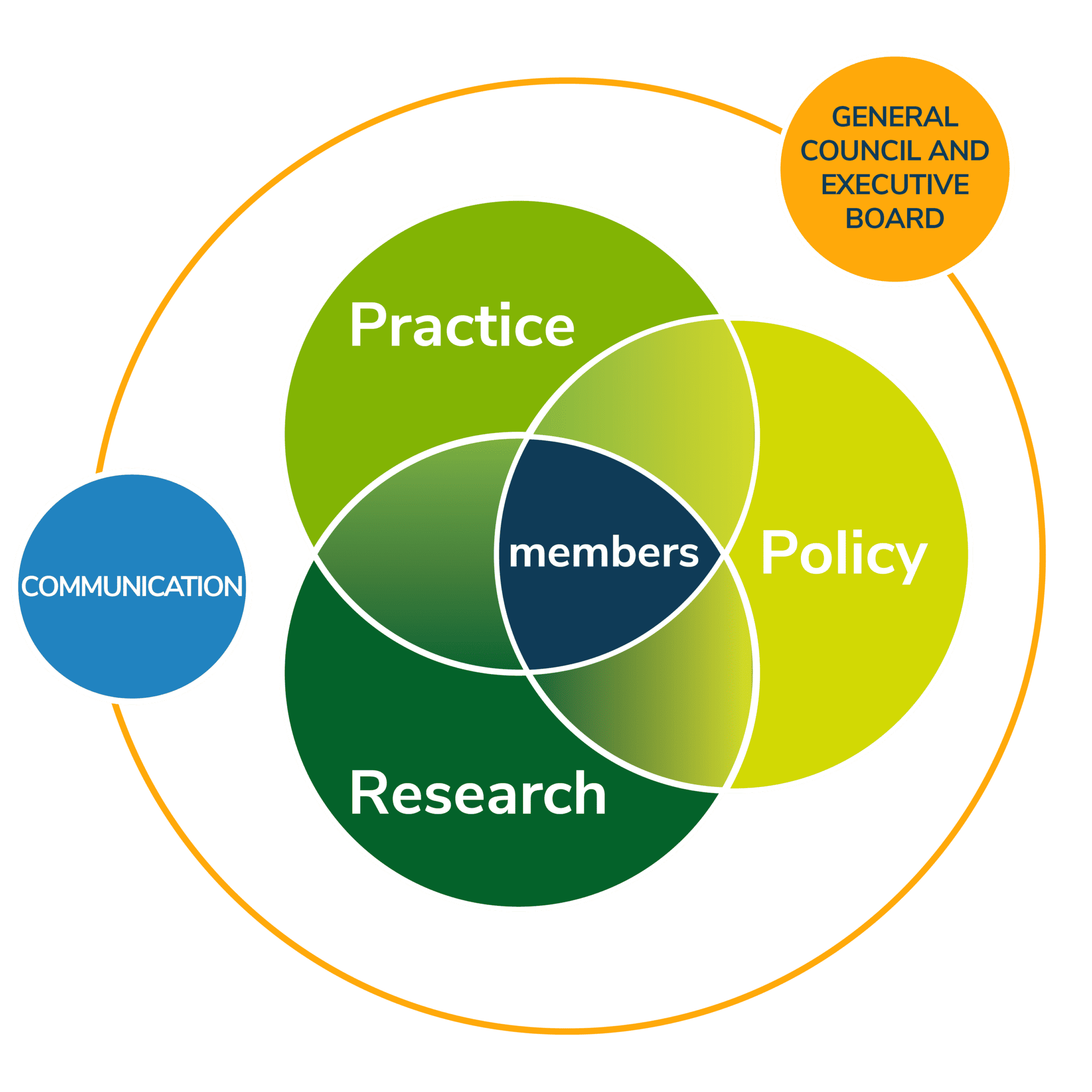
Structuring our work over a policy, a practice, and a research platform, we focus on exploring and strengthening the links between these areas.
Our approach focuses on integrated concepts to health, reducing health inequality gaps and gradients, working on determinants across the life course, whilst contributing to the sustainability and wellbeing of people and the planet.

EuroHealthNet is co-funded by the European Union. However, the information and views set out on this website are those of the author and do not necessarily reflect the official opinion of the European Commission. The Commission does not guarantee the accuracy of the data included on this website. Neither the Commission nor any person acting on the Commission's behalf may be held responsible for the use which may be made of the information contained therein.