



Finland’s children’s welfare social impact bond
Promoting preventative care

Case study
Finland
Social Impact Bond (SIB)
The Children’s Welfare Social Impact Bond (Lapset-SIB) in Finland uses private investment to fund preventative child welfare services across five municipalities. Designed to reduce harm to children and lower the cost of expensive remedial care, the SIB enables municipalities to pay only for successful outcomes.
Context and problems addressed
In Finland, child welfare and protection services are primarily remedial, leading to interventions that are often too late, after the child has likely already suffered some kind of harm. In addition, these services are expensive, with the highest costs associated with foster care. This cost is borne by municipalities, who are responsible for the provision of child welfare services. It is estimated that removing one child from foster care results in EUR 43 000 of annual saving for municipalities. Municipalities nevertheless face financial constraints to transition from remedial to preventative approaches.
Intervention and financing model
To address this challenge, Finland launched the Children’s Welfare Social Impact Bond, also known as Lapset-SIB, in January 2019 for a period of 6 to 12 years. This SIB aims to promote the welfare of children, young people, and families across five municipalities: Helsinki, Hämeenlinna, Kemiönsaari, Lohja, and Vantaa. It also intends to reduce the harm to children and the cost of expensive remedial services. The SIB is designed to provide upfront private investment to fund novel preventative services without impacting on the funding required for remedial services in the short term. If pre-specified outcomes are achieved, the municipality should save money on the cost of remedial services. Part of this saving will then be used to repay the investment fund, with interest, which allows municipalities to pay only for successful outcomes, ensuring cost-effectiveness.
The intervention involves multiple service providers, including SOS Children’s Village and Icehearts, that deliver tailored programmes to address specific needs within each municipality. Investors contribute to the project through a private equity fund through which services are financed. As of January 2020, the fund raised a total of EUR 5 million with investment from eight Finnish organisations. The five municipalities involved in the SIB each pay for outcomes that are achieved in their programmes, with a maximum possible outcome payment of EUR 10-12 million.
Creating a single SIB structure – while having five distinct projects – enabled to make it more appealing for investors as the risk is shared across different municipalities with different approaches.
If pre-specified outcomes are achieved, the municipality should save money on the cost of remedial services. Part of this saving will then be used to repay the investment fund, with interest, which allows municipalities to pay only for successful outcomes.
Key outcomes and associated measurements
The results are monitored by measuring improvement in well-being and financial savings generated for municipalities. Despite the SIB being at an early stage, wellbeing data already indicate a significant improvement in the well-being of young people and families who benefited from the support and services provided through the SIB.
Additionally, it is also apparent that the new operating model has influenced municipal service culture, procurement practices and costs, as well as the well-being of children and young people through prevention and by identifying service gaps.
So far, approximately EUR 8.5 million has been invested in interventions and approximately EUR 4 million in performance-based bonuses have been paid for effectiveness. The programme has already enrolled 600 children and young people. A longitudinal study is underway to determine the long-term cost-effectiveness of these preventive measures.
Related case studies

The Newpin Programme

Tackling unemployment and social exclusion among immigrants in Finland (Koto-SIB)

The UK’s mental health and employment partnership
About EuroHealthNet
Building a healthier future for all by addressing the determinants of health and reducing inequalities.
EuroHealthNet is the Partnership of public health agencies and organisations building a healthier future for all by addressing the determinants of health and reducing inequalities. Our focus is on preventing disease and promoting good health by looking within and beyond the health system.
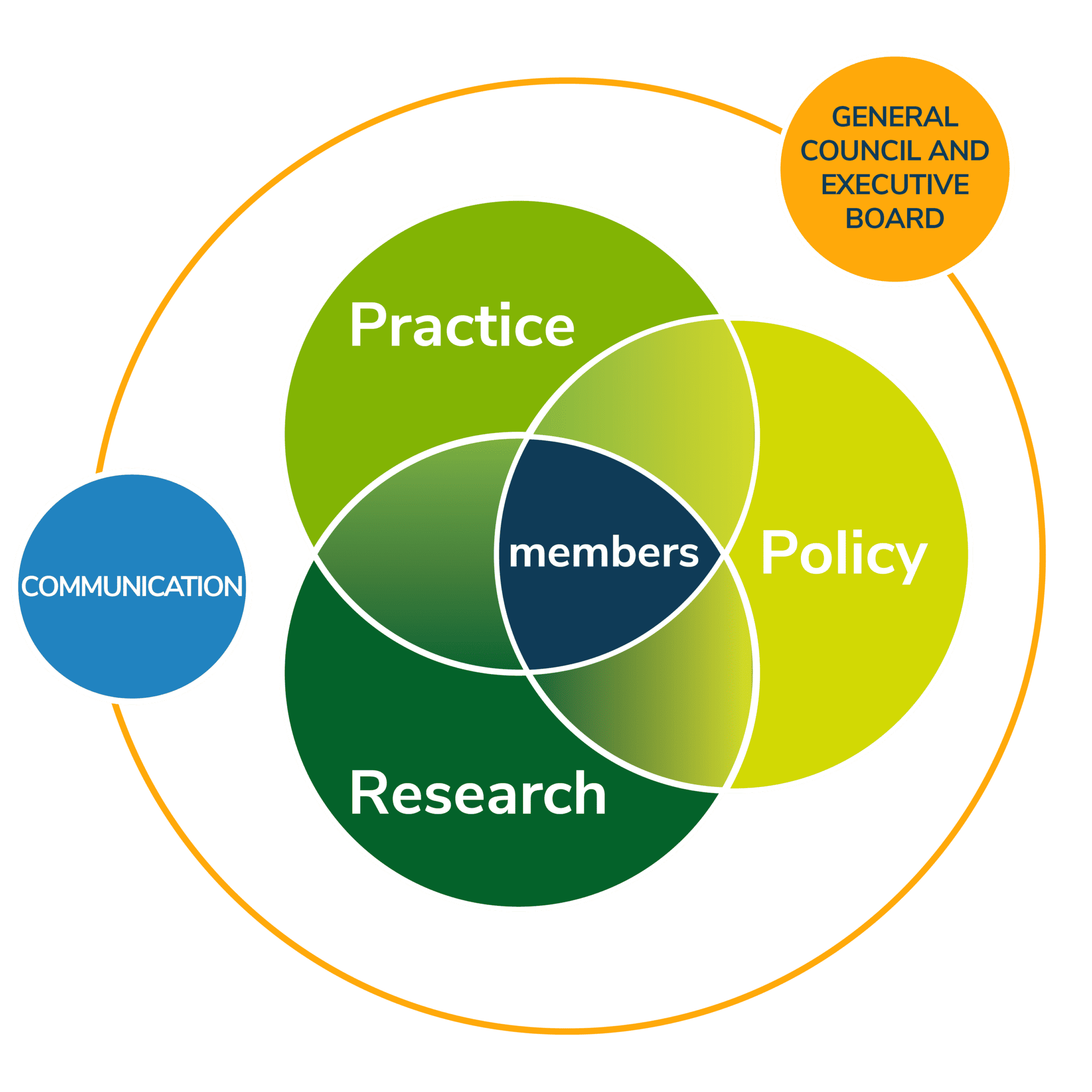
Structuring our work over a policy, a practice, and a research platform, we focus on exploring and strengthening the links between these areas.
Our approach focuses on integrated concepts to health, reducing health inequality gaps and gradients, working on determinants across the life course, whilst contributing to the sustainability and wellbeing of people and the planet.
EuroHealthNet is co-funded by the European Union. However, the information and views set out on this website are those of the author and do not necessarily reflect the official opinion of the European Commission. The Commission does not guarantee the accuracy of the data included on this website. Neither the Commission nor any person acting on the Commission's behalf may be held responsible for the use which may be made of the information contained therein.