



Portugal’s projeto família social impact bond
Supporting families, preventing institutionalisation

Case study
Portugal
Social Impact Bond (SIB)
The Projeto Família Social Impact Bond in Portugal supports at-risk children by helping them remain safely in their family homes and preventing institutionalisation. Funded through a Social Impact Bond, the programme provides intensive family support and parenting guidance, with investors repaid only if agreed outcomes are achieved.
Context and problems addressed
In Portugal, approximately 7,000 children and young people are institutionalised, primarily stemming from lack of parental supervision and monitoring. This institutionalisation places a significant financial burden on the Institute for Social Security, costing between €59 and €85 million annually, with a minimum monthly expense of €700 per child. The Projeto Família initiative was launched to address the root causes of institutionalisation and reduce associated costs by promoting family preservation.
Intervention and financing model
The Projeto Família was part of the first edition of Social Impact Bonds in Portugal, implemented in Porto between July 2017 and October 2020. It aims to promote the preservation within the family home of children and young people at risk of institutionalisation, through the development of parenting and relational skills and their preparation for self-sufficiency within the family home. The intervention is divided into three key stages: the signalling of children and young people at risk and signing of family agreements, an intensive six-week phase in which a Projeto Familia technician conducts weekly work sessions with the family, and a period of follow-up and potential preservation within the family home. The primary contracted outcome was to ensure that children and young people at risk remained within their family homes for at least 9 months after the intensive phase.
The project was led by the social organisation Movimento de Defesa da Vida, with a total investment of EUR 433 276 provided by the Calouste Gulbenkian Foundation and Montepio bank. The outcome payments were managed by Portugal Social Innovation, with the Institute of Social Security overseeing the project.
The project was led by the social organisation Movimento de Defesa da Vida, with a total investment of EUR 433 276 provided by the Calouste Gulbenkian Foundation and Montepio bank.
Key outcomes and associated measurements
After three years, the Projeto Família® delivered all the contracted outcomes and achieved a 91% success rate in preserving children and young people at risk within their family homes, surpassing the initially contracted outcome of 60%. Of the 180 children and young people involved, only 17 were institutionalised. As a result of this success, 99% of the initial investment was reimbursed. However, there were delays in reimbursing investors due to the demanding financial reporting requirements.
Results showed that investing in the Projeto Família® intervention may represent cost savings of more than 90% in comparison to the institutionalisation of a minor.
It is nevertheless important to note that the SIB model allowed Movimento de Defesa da Vida to focus on families with a higher probability of success, raising concerns about “cherry-picking” – an practice that is often critisised in outcome-focused incentive systems. In addition, since the outcome payer was not the public entity benefiting directly from the intervention, there was limited incentive to integrate the SIB learnings into public policy.
Despite its success, the Projeto Família ended in October 2020 due to the absence of public funding to continue operating in Porto.
Publications
Related case studies

The Newpin Programme

Tackling unemployment and social exclusion among immigrants in Finland (Koto-SIB)

The Skill Mill, United Kingdom
About EuroHealthNet
Building a healthier future for all by addressing the determinants of health and reducing inequalities.
EuroHealthNet is the Partnership of public health agencies and organisations building a healthier future for all by addressing the determinants of health and reducing inequalities. Our focus is on preventing disease and promoting good health by looking within and beyond the health system.
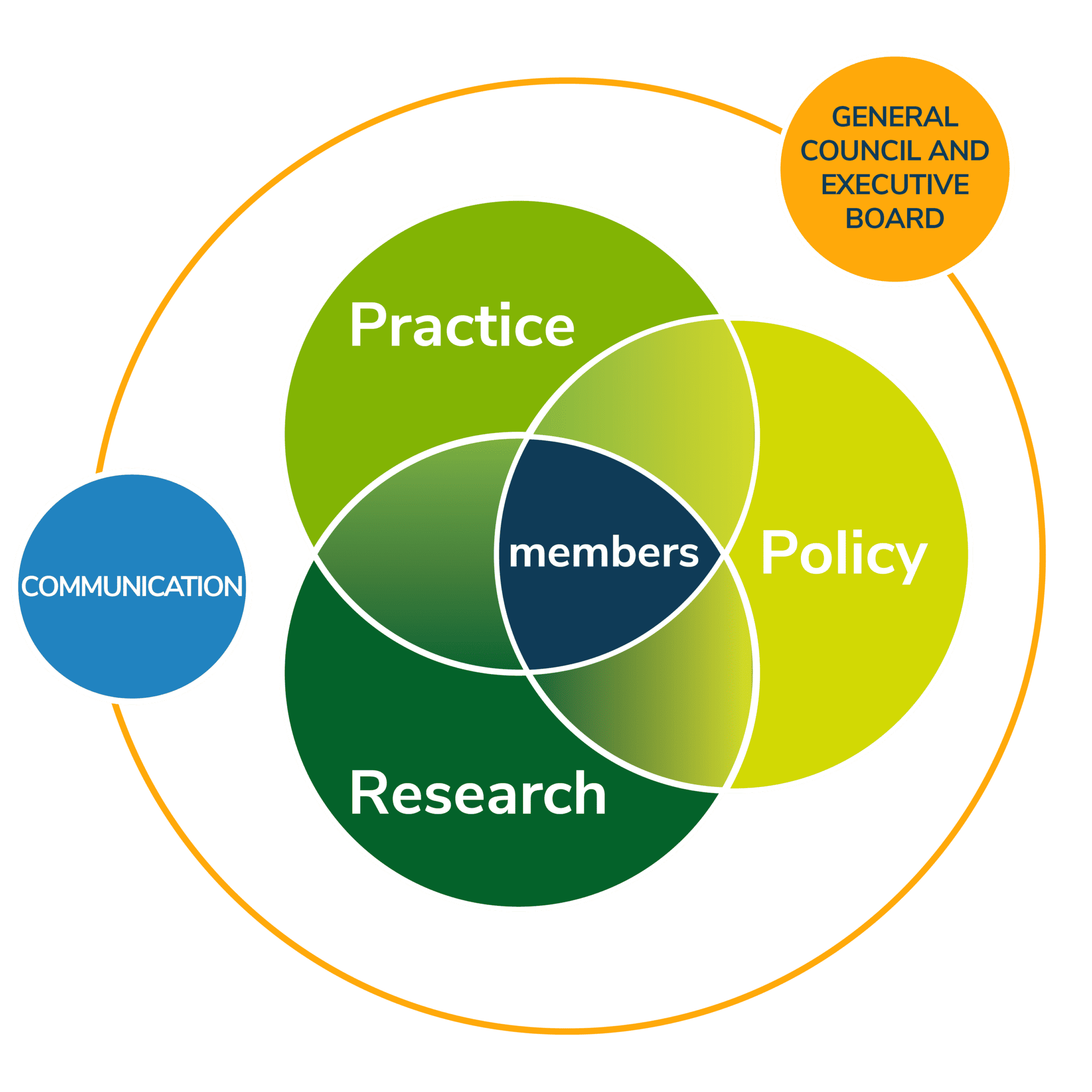
Structuring our work over a policy, a practice, and a research platform, we focus on exploring and strengthening the links between these areas.
Our approach focuses on integrated concepts to health, reducing health inequality gaps and gradients, working on determinants across the life course, whilst contributing to the sustainability and wellbeing of people and the planet.

EuroHealthNet is co-funded by the European Union. However, the information and views set out on this website are those of the author and do not necessarily reflect the official opinion of the European Commission. The Commission does not guarantee the accuracy of the data included on this website. Neither the Commission nor any person acting on the Commission's behalf may be held responsible for the use which may be made of the information contained therein.