



EuroHealthNet Guide for Financing Prevention and Health Promotion
How to get started
Stage 4: Connect what partners value to outcomes worth investing in
This stage supports decision-makers and practitioners in designing Smart Capacitating Investment (SCI) initiatives that make collaboration worthwhile for all partners involved. While cross-sectoral alliances are essential for health promotion and disease prevention, they only endure when each actor clearly understands what value they gain, what risks they take, and why participation makes sense within their own mandate.
Different sectors define value in different ways. Public authorities focus on equity, population outcomes, and budget sustainability. Financial actors look for risk management, predictability, and credible returns. Employers value productivity and workforce wellbeing. Communities value access, trust, and tangible improvements in daily life.
This section explains how to translate diverse motivations into outcomes, financing mechanisms, and governance structures that enable win–win collaboration while protecting the public interest.
What you will learn
- Analyse how different sectors define and measure value (financial, social, operational, political).
- Identify incentive misalignments that undermine collaboration.
- Use incentive mapping tools to design shared objectives and contributions.
- Structure “win–win” scenarios across public, private, and civil society actors.
- Apply outcome-based and shared-savings mechanisms to align interests over time.
- Balance financial incentives with ethical safeguards and equity objectives.
Key concepts and rationale
Health promotion and disease prevention generate value across systems, but these benefits often accrue to different actors than those who invest upfront (sometimes called the “wrong pockets” problem). For example, a workplace wellbeing programme may be funded by a public authority, while the financial gains flow primarily to employers (through reduced absenteeism) and insurers (through lower claims), without either contributing to the cost. Employers may benefit from a healthier workforce without contributing financially. Communities may bear behavioural or participation burdens without seeing short-term gains.
This structural misalignment is compounded by a related challenge: where costs and benefits fall on different actors, the consequences of not investing in prevention are often less visible or less immediate to those expected to fund it. Together, these dynamics help explain why prevention remains chronically underfunded.
Where costs and benefits fall on different actors, the consequences of not investing in prevention are often less visible or less immediate to those expected to fund it.
Smart Capacitating Investment addresses this not by promising that “everyone wins automatically,” but by explicitly designing how value is recognised, measured, and redistributed. This requires understanding that:
- Public authorities may prioritise cost containment, equity, and population outcomes.
- Investors and financial actors focus on risk, return, and predictability.
- Employers value productivity, reduced absenteeism, and workforce wellbeing.
- Communities prioritise access, trust, dignity, and lived improvements.
In summary, aligning these perspectives requires explicit design choices: defining outcomes that matter to multiple actors, agreeing on how value is measured, and determining how risks and rewards are shared. Ethical considerations are central, particularly to avoid shifting risk onto communities or service providers with limited capacity.
Practical steps
Key messages and next steps
- Aligning incentives across sectors rarely happens on its own, it benefits from deliberate mapping of what each partner values and needs.
- Identifying shared outcomes can help turn diverging interests into a common agenda worth investing in.
- Outcome-based and shared-savings models can create financial motivation to collaborate, when designed with transparency and fairness in mind.
- Strong governance and honest evaluation help sustain trust over time, especially as partnerships evolve.
Where possible, investors and financiers are worth engaging early in this process, not just as funders, but as partners who can help shape outcomes that are both meaningful and investable (see also Stage 3 on building cross-sectoral alliances).
Once incentives are aligned and shared outcomes defined, the next step is turning this into a concrete funding strategy. Stage 5: Attracting and Engaging Investors explores how to build the investment case and engage financial partners to fund your initiative.
Related case studies

Tackling unemployment and social exclusion among immigrants in Finland (Koto-SIB)

Envisaging a Social Prescribing Fund in England
What comes next?
About EuroHealthNet
Building a healthier future for all by addressing the determinants of health and reducing inequalities.
EuroHealthNet is the Partnership of public health agencies and organisations building a healthier future for all by addressing the determinants of health and reducing inequalities. Our focus is on preventing disease and promoting good health by looking within and beyond the health system.
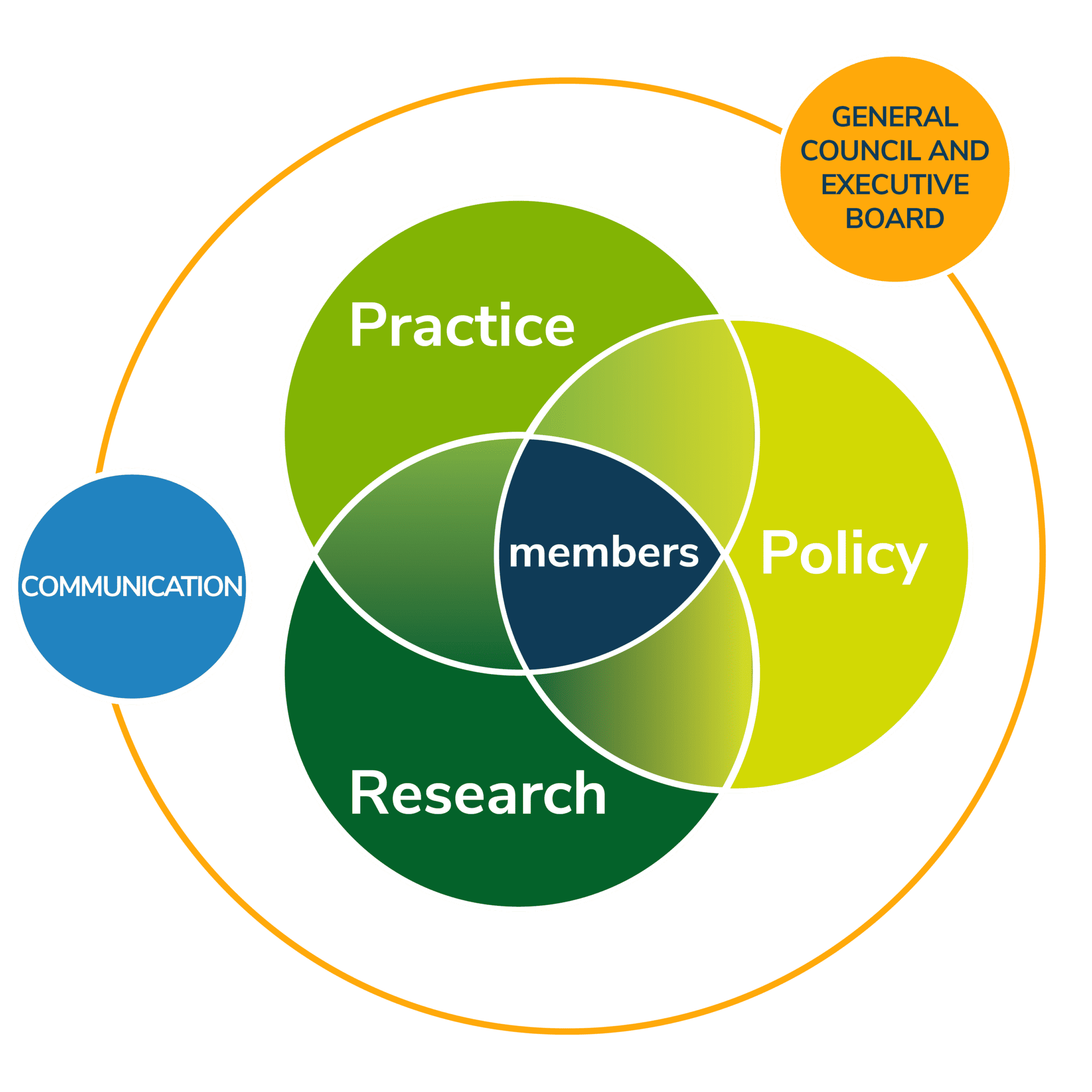
Structuring our work over a policy, a practice, and a research platform, we focus on exploring and strengthening the links between these areas.
Our approach focuses on integrated concepts to health, reducing health inequality gaps and gradients, working on determinants across the life course, whilst contributing to the sustainability and wellbeing of people and the planet.
EuroHealthNet is co-funded by the European Union. However, the information and views set out on this website are those of the author and do not necessarily reflect the official opinion of the European Commission. The Commission does not guarantee the accuracy of the data included on this website. Neither the Commission nor any person acting on the Commission's behalf may be held responsible for the use which may be made of the information contained therein.