



Operation 15+15+15 by DoucheFLUX
Case study
Belgium
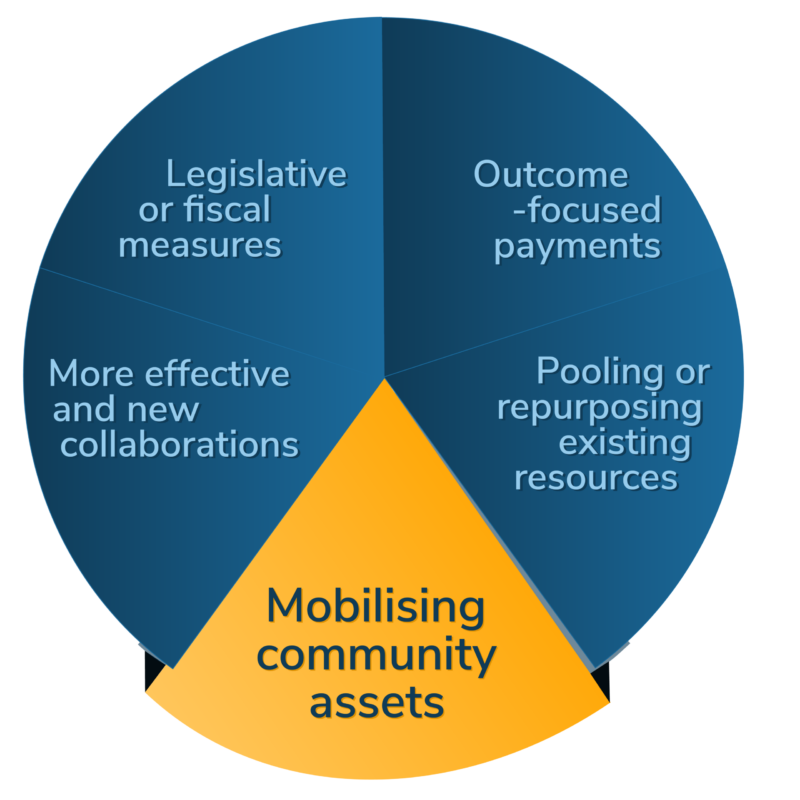
Mobilising community assets
Operation 15+15+15 by DoucheFLUX is a participatory social initiative that provides essential hygiene services for people experiencing homelessness through a solidarity-based funding model. By combining small user fees, public subsidies, and support from donations and fundraising, it seeks to balance affordability with financial sustainability. This approach shows how community support and mixed funding streams can help maintain access to basic services by linking public contributions to service access for those in need.
Context and problems addressed
A successful example of non-financial crowdfunding campaign with a social purpose is Operation 15+15+15 by DoucheFLUX. The organisation promotes the reintegration of people in vulnerable situations those needing help. They do this with a by providing inclusive services and activities, ranging from free showers to language lessons.
In 2016, DoucheFLUX reached a major milestone in its programme of socially innovative measures with the opening of its new 650 m2 building in Brussels. After a year of renovation works, 20 showers, a laundry room, 450 lockers, an information desk and computers are made available to the most underprivileged in a stimulating and convivial setting.
Intervention and financing model
DoucheFLUX is a participatory social project which has so far relied entirely on private funding. It aims to achieve a balanced budget based on solidarity. By the end of 2018, it foresaw to cover the operating costs through three almost equal revenue streams: affordable charges for the services it provides, government subsidies, and receipts from fundraising campaigns and sponsorship agreements.
In the building, homeless people are charged €1 per shower. However, providing a single shower costs the organisation €5.66, leaving a funding gap of €4.66 per use. To help cover this difference, the organisation calls on the general public for support through crowdfunding campaigns, direct donations, and a voucher system. According to this model, a donation of €45 enables 10 homeless people to take a shower while also helping DoucheFLUX manage its operating budget.
By the end of 2018, it foresaw to cover the operating costs through three almost equal revenue streams: affordable charges for the services it provides, government subsidies, and receipts from fundraising campaigns and sponsorship agreements.
Key outcomes and associated measurements
In 2016, the initiative raised over €15,000 through KissKissBankBank, a reward-based crowdfunding platform. Any funds raised beyond this target were intended to sponsor showers for underprivileged individuals who cannot afford the full cost, while alsohelping DoucheFLUX manage its operating budget. When fully operational, the sanitary infrastructure of DoucheFLUX has the capacity to provide up to 50,000 showers per year.
Publications
Related case studies

United Kingdom’s microcredit as a public health initiative
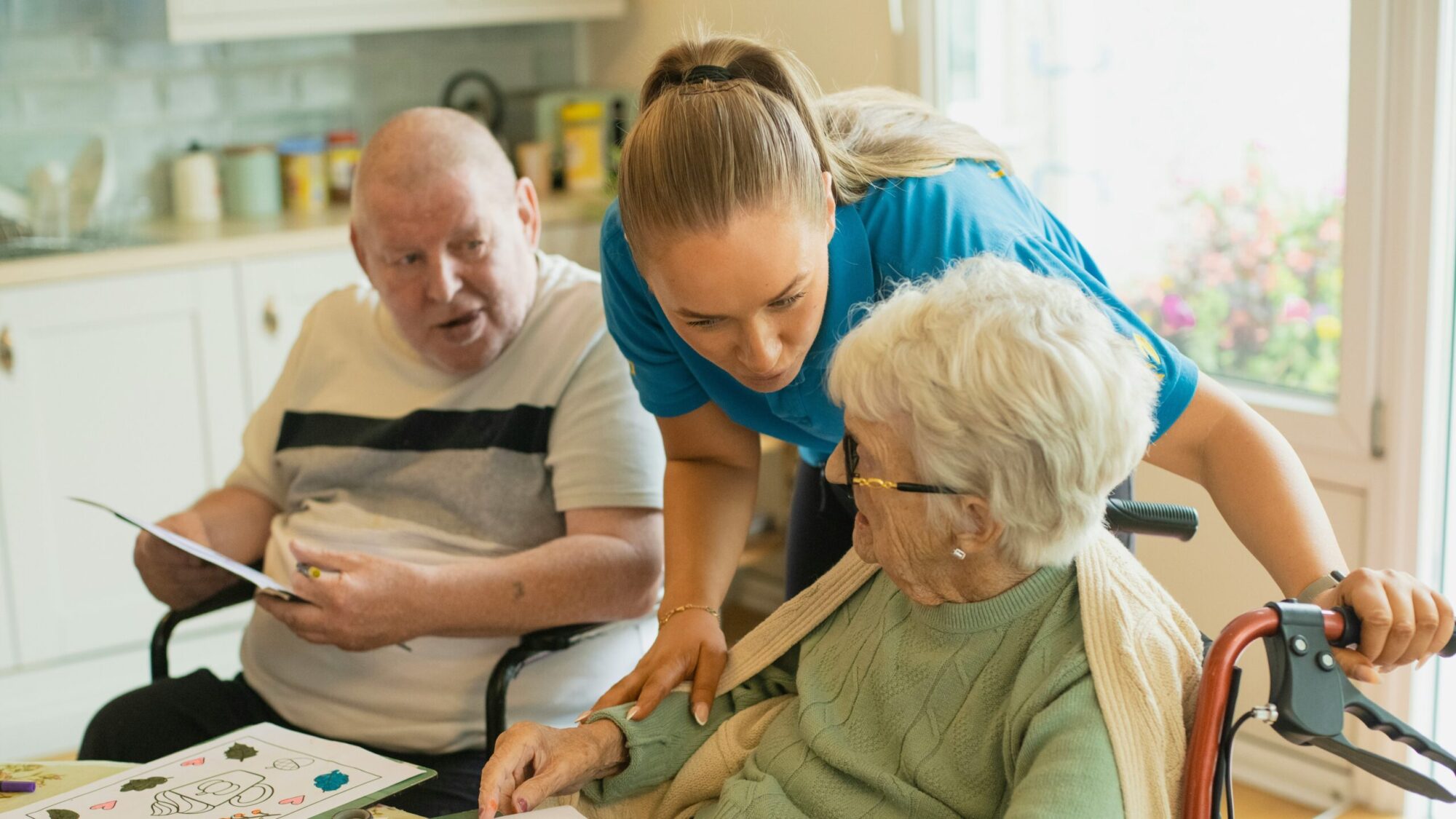
Timebanking and the co-production of preventive social care with adults

Ethical financing label in France
About EuroHealthNet
Building a healthier future for all by addressing the determinants of health and reducing inequalities.
EuroHealthNet is the Partnership of public health agencies and organisations building a healthier future for all by addressing the determinants of health and reducing inequalities. Our focus is on preventing disease and promoting good health by looking within and beyond the health system.
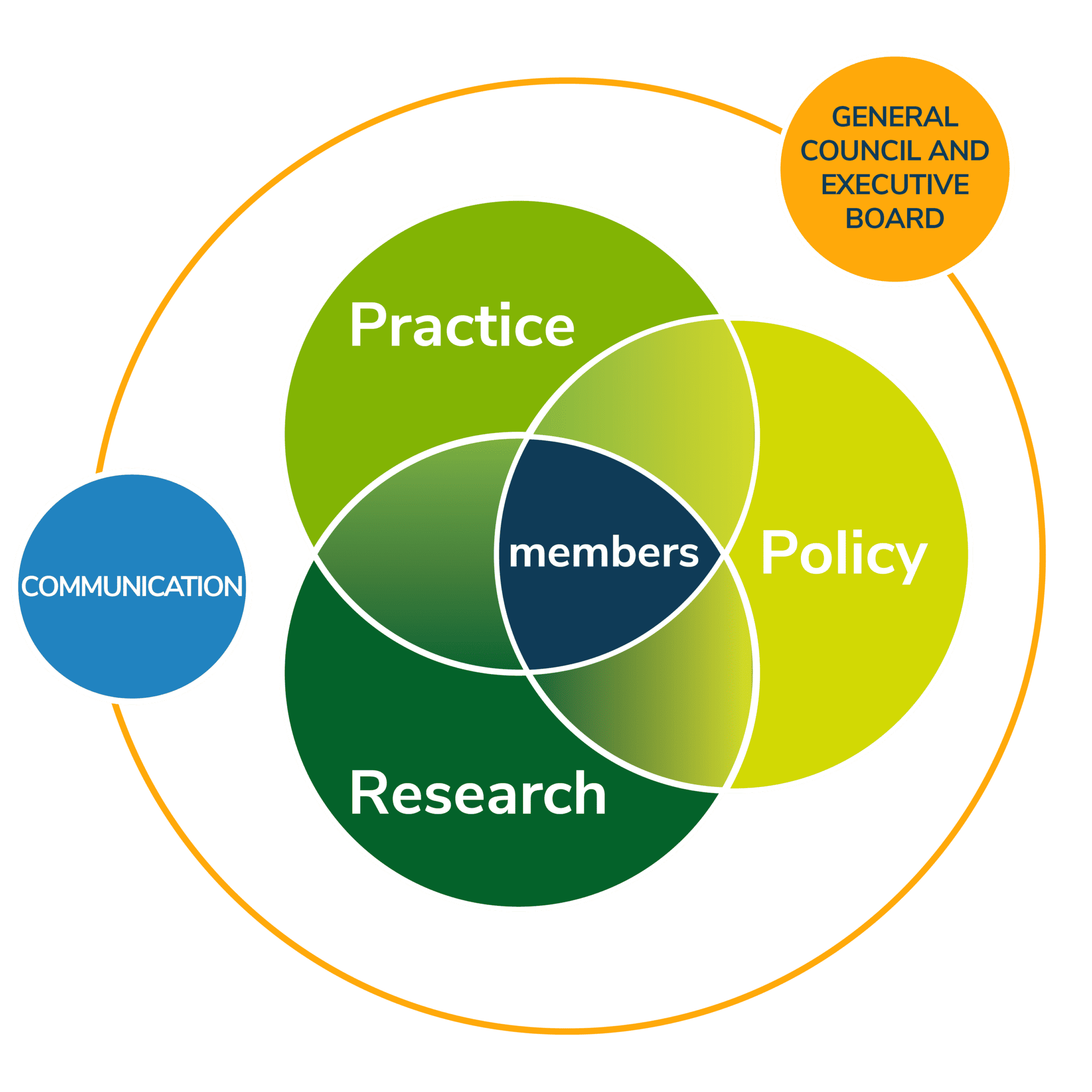
Structuring our work over a policy, a practice, and a research platform, we focus on exploring and strengthening the links between these areas.
Our approach focuses on integrated concepts to health, reducing health inequality gaps and gradients, working on determinants across the life course, whilst contributing to the sustainability and wellbeing of people and the planet.
EuroHealthNet is co-funded by the European Union. However, the information and views set out on this website are those of the author and do not necessarily reflect the official opinion of the European Commission. The Commission does not guarantee the accuracy of the data included on this website. Neither the Commission nor any person acting on the Commission's behalf may be held responsible for the use which may be made of the information contained therein.