



Maintaining employability through the TErrA Project in Germany
Case study
Germany
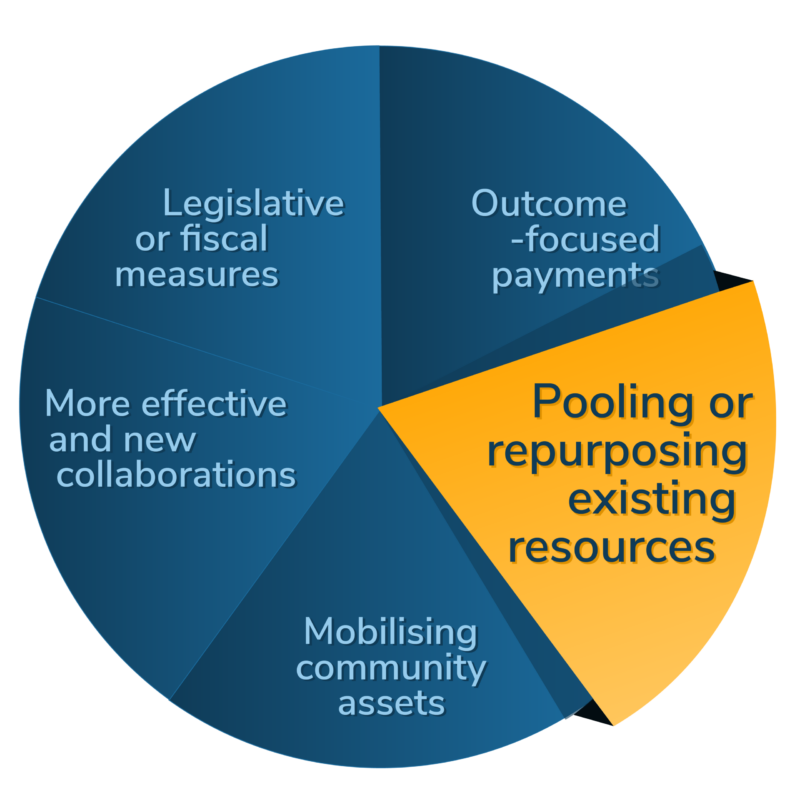
Public grants, working in partnership/with other sectors
Germany’s TErrA project promotes preventive career planning to help employees remain in the workforce by supporting job transitions that better match their health, skills, and motivation. Funded by public grants and implemented through a structured consulting model, the initiative highlights the potential of inter-company job rotation while also revealing gaps in financial support for preventive employment measures.
Context and problems addressed
In Germany, a large number of employees leave working life prematurely every year due to health reasons. In a representative survey of the German Confederation of Trade Unions (DGB 2014), almost half of the employees stated that they could not imagine carrying out in their current occupation until retirement. At the personal level this leads to considerable personal and financial restrictions due to a premature job leave. At the state level, the economy loses considerable resources in terms of labour, combined with burdens on the social security systems. A possible preventive measure is a job-rotation between companies at the local/regional level to counteract the premature job leave and prevent the development of employment-related health problems.
The preventive job rotation process, developed during the TErrA project (2016-2019), is a consulting model for employees who are willing to change jobs and companies that support job rotation for personnel development. The resource-oriented consulting approach aims to help employees to develop a concrete perspective for their further career path within three consulting appointments which would then lead to a meaningful inter-company job change.
Intervention and financing model
The main objective of preventive career planning is to maintain individual in employment through offering any worker employment alternatives that would consider their health and motivation, and would help acquire new skills. Early health and qualification measures promote repositioning of workers on the labour market and strengthen their chances to stay professionally active until the statutory retirement age.
Models for skills development within an area of expertise or employment could be switching from production to service or further specialisation. Classic examples are a nurse who qualifies as a medical coding specialist, or a roofer, who switches to sales in the construction sector.
The TErrA project was funded by public grants from the German Federal Ministry of Education and Research (BMBF). Participating companies contribute indirectly through employee time and internal support, while employees participate voluntarily.
Preventive career planning aims to keep individuals in employment by offering alternatives that take into account their health, motivation, and need to develop new skills.
Key outcomes and associated measurements
The TErrA project in Germany shows that, while job mobility within SMEs is often limited, inter-company job changes within regional networks can better match employees’ skills with job requirements.
To support this, employees need early awareness of career risks and opportunities, alongside a shared responsibility between employers and employees for long-term employability. Public policy should promote such networks, and initiatives are already underway to develop related support services.
However, preventive job rotation is not financially supported. Training linked to job changes is generally not covered by existing insurance schemes, which only provide benefits once health issues arise. This limits both employees’ and companies’ ability to plan preventive career transitions.
Although the German Prevention Act has not yet addressed this gap, other policies, such as those supporting flexible retirement and expanded training opportunities, may help advance the approach.
Related case studies

Get Finland Moving: using phenomenon budgeting to address physical inactivity

Het Beweeghuis (“The Movement House”): An integrated movement-care network for musculoskeletal health

Workplace health promotion to facilitate physical activity among office workers in Sweden
About EuroHealthNet
Building a healthier future for all by addressing the determinants of health and reducing inequalities.
EuroHealthNet is the Partnership of public health agencies and organisations building a healthier future for all by addressing the determinants of health and reducing inequalities. Our focus is on preventing disease and promoting good health by looking within and beyond the health system.
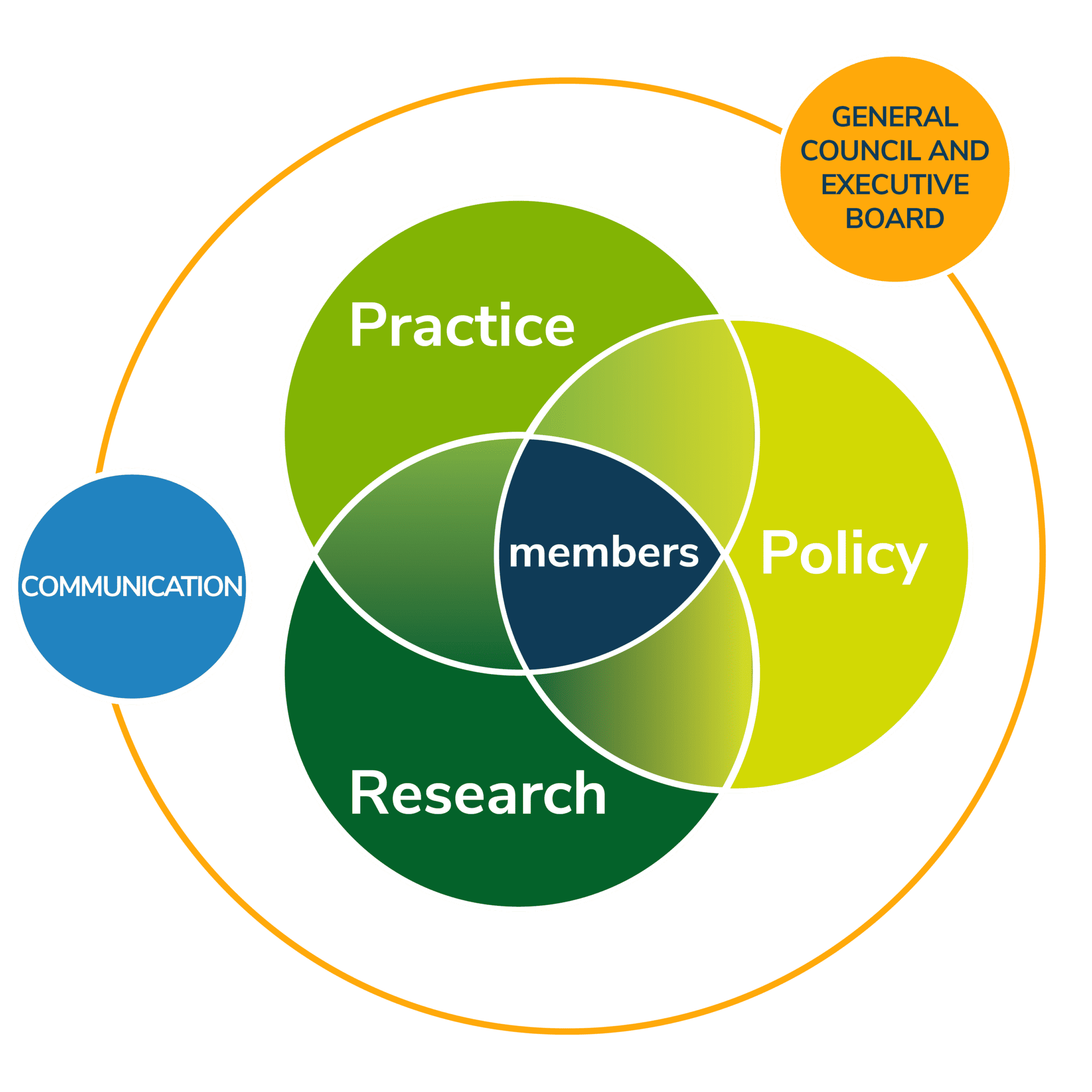
Structuring our work over a policy, a practice, and a research platform, we focus on exploring and strengthening the links between these areas.
Our approach focuses on integrated concepts to health, reducing health inequality gaps and gradients, working on determinants across the life course, whilst contributing to the sustainability and wellbeing of people and the planet.
EuroHealthNet is co-funded by the European Union. However, the information and views set out on this website are those of the author and do not necessarily reflect the official opinion of the European Commission. The Commission does not guarantee the accuracy of the data included on this website. Neither the Commission nor any person acting on the Commission's behalf may be held responsible for the use which may be made of the information contained therein.