Stage2: Define the health problem and choose the right intervention

to be replaced with the wheel for briefs
This stage helps decision-makers, practitioners, and funders define the health or social problem they seek to address through Smart Capacitating Investment (SCI). It supports looking within and beyond the healthcare sector to identify systemic drivers of ill-health, select evidence-based and ethically sound interventions, and frame the case for investment that is both impactful, optimising use of resources and is fair.
What you will learn
- How to define and scope a problem in ways that invite multi-sectoral collaboration and investment.
- What constitutes a health-promoting intervention, including those outside traditional healthcare.
- How to diagnose root causes and systemic barriers rather than surface-level symptoms, using structured tools such as the Problem Tree.
- How to identify and select evidence-based interventions with measurable, equitable outcomes.
Key concepts and rationale
Smart Capacitating Investment (SCI) in health promotion and disease prevention begins with a clear understanding of what problem needs solving, why it matters, and where action will have the greatest and most equitable impact.
Many of today’s health challenges — such as chronic diseases, mental health conditions, and widening health inequities and inequalities — arise not only from individual behaviours, but from broader social, economic, and environmental determinants. Housing, education, employment, transportation, energy, income, and urban design all shape people’s ability to live healthy lives.
Before mobilising new forms of financing, organisations must therefore invest time and effort in defining the problem accurately. A well-defined problem frames disease prevention as a systemic challenge rather than a series of isolated issues. It enables decision-makers to identify the root causes of ill-health, target interventions where they are most needed, and allocate resources efficiently and optimally -investing in what works, for whom, and under what conditions.
Before mobilising new forms of financing, organisations must therefore invest time and effort in defining the problem accurately.
Ethical and equity considerations are central to this process. Since not all needs can be addressed simultaneously, transparent and fair priority-setting is essential to ensure that investments do not unintentionally reinforce existing inequalities or inequities. Frameworks such as the Norwegian Institute of Public Health’s model for ethical priority setting or the WHO Fair Choices Framework can help guide this process, ensuring that decisions balance efficiency with fairness, and impact with inclusion.
Structured tools such as Problem Tree analysis can further support this step by helping teams map causes, effects, and interconnections. By distinguishing between root causes (systemic and structural factors) and symptoms (immediate manifestations), the tool encourages deeper understanding of what drives health inequities and inequalities and where interventions can have the greatest leverage and impact.
In summary, defining the problem is both an analytical and ethical exercise. It lays the foundation for designing SCI interventions that are strategic, evidence-based, and just. It ensures that subsequent investment and financing decisions are not only effective, but also legitimate and socially sustainable.
Practical steps
Implementing Smart Capacitating Investment approaches does not require starting from scratch. Some actors begin with broad population-level data; others begin within a specific mandate (e.g. schools, housing, urban planning). The key is to move from a recognised issue to a well-defined, investable problem grounded in real needs and system dynamics.
Key messages and next steps
- A well-defined problem is the foundation of investment.
Moving from a broad concern to a clearly framed, context-specific issue makes disease prevention actionable and financeable. - Focus on root causes, not only symptoms.
Understanding systemic drivers strengthens the relevance, credibility, and long-term impact of your intervention. - Prevention becomes investable when value is visible.
Clarifying expected outcomes, costs of inaction, and equity implications helps reposition health promotion as an investment rather than an expense.
What comes next?
Once the problem and intervention are clearly defined, the next step is to build the right cross-sectoral partnerships to support delivery and sustainability.
Stage 3: Building Cross-Sectoral Alliances.
The National Programme Budgeting and Marginal Analysis (PBMA) approach in Wales
Cool!
Link to case study
About EuroHealthNet
Building a healthier future for all by addressing the determinants of health and reducing inequalities.
EuroHealthNet is the Partnership of public health agencies and organisations building a healthier future for all by addressing the determinants of health and reducing inequalities. Our focus is on preventing disease and promoting good health by looking within and beyond the health system.
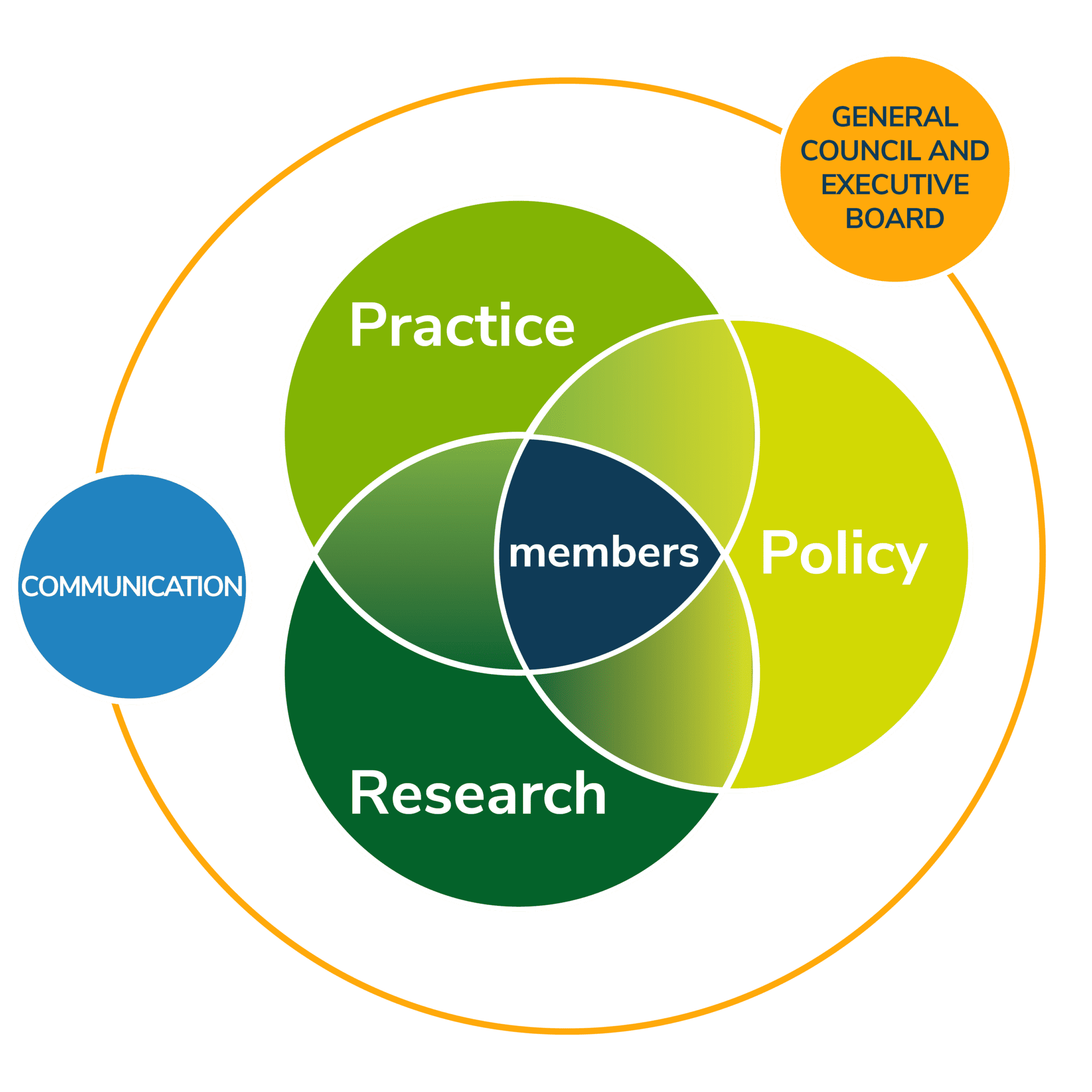
Structuring our work over a policy, a practice, and a research platform, we focus on exploring and strengthening the links between these areas.
Our approach focuses on integrated concepts to health, reducing health inequality gaps and gradients, working on determinants across the life course, whilst contributing to the sustainability and wellbeing of people and the planet.

EuroHealthNet is co-funded by the European Union. However, the information and views set out on this website are those of the author and do not necessarily reflect the official opinion of the European Commission. The Commission does not guarantee the accuracy of the data included on this website. Neither the Commission nor any person acting on the Commission's behalf may be held responsible for the use which may be made of the information contained therein.