



EuroHealthNet Guide for Financing Prevention and Health Promotion
2.1
Concepts for systemic change
New ideas are reshaping how we think about health. By valuing health and placing wellbeing at the heart of economic and social policies, these emerging approaches open the door to smarter, fairer ways to fund prevention and health promotion. They invite us to shift mindsets, plan for the long term, and work across sectors to build healthier, fairer societies.
Keep reading to discover the key narratives driving this change.
The Wellbeing Economy
The Wellbeing Economy concept is one such vision and approach to holistic policymaking.
A Wellbeing Economy is an economic model which benefits the health and wellbeing of people and the planet, and ensures human dignity and fairness. It goes beyond traditional economic indicators, such as GDP, by integrating wellbeing measures to evaluate the progress of our societies and nations.
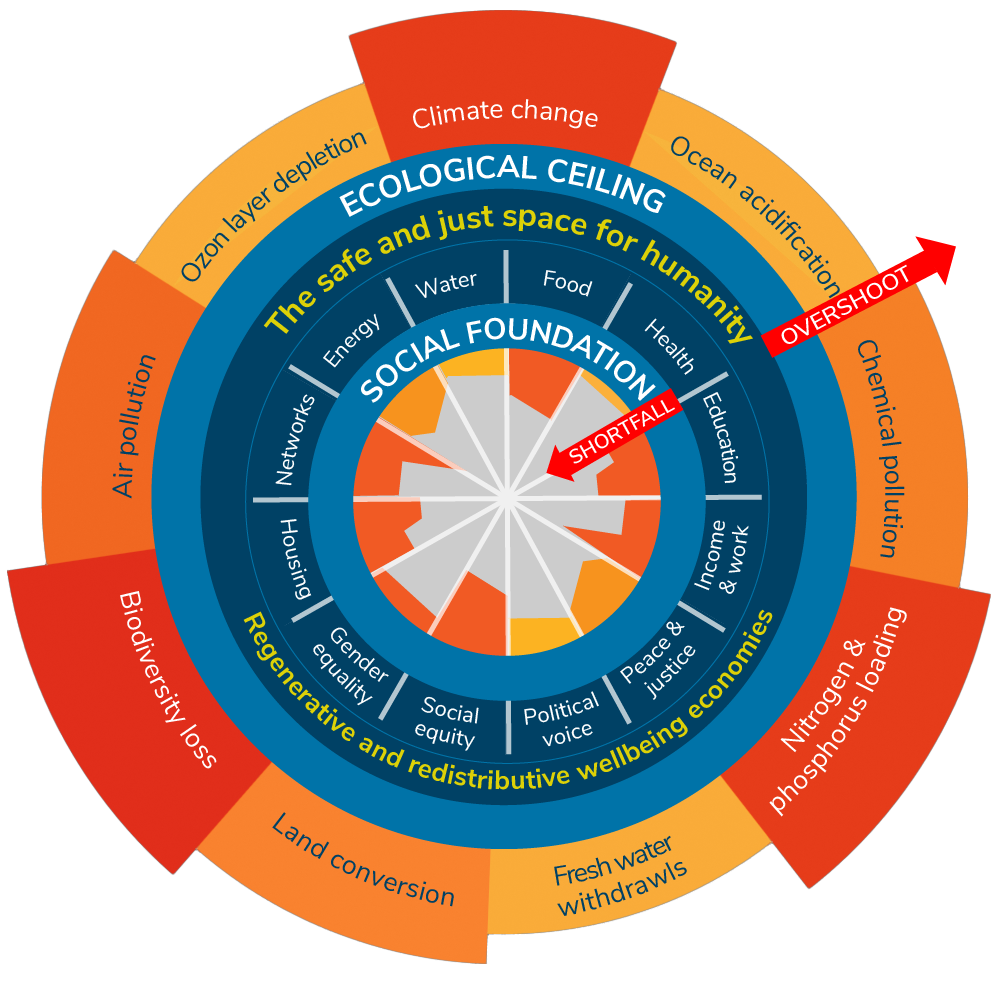
A Wellbeing Economy “meets the needs of all within the needs of the planet”, as set out in Kate Raworth’s Doughnut Economy Model.
This transformative approach shifts the focus away from an economic system structurally dependent on GDP growth, instead valuing human health, environmental sustainability, social equity, and wellbeing as core indicators of success. Policies and legislation are assessed based on their ability to impact and enhance wellbeing. This creates a virtuous circle, where improved wellbeing increases economic benefits and vice versa.
Learn more about the Wellbeing Economy through EuroHealthNet's resources on this topic.
Geneva Charter for Wellbeing
In alignment with the Wellbeing Economy, the Geneva Charter for Well-Being (2021) proposes coordinated action in five areas for a ‘21st century health promotion response':
- Value, respect and nurture planet Earth and its ecosystems.
- Design an equitable economy that serves human development within planetary and local ecological boundaries.
- Develop healthy public policy for the common good.
- Achieve universal health coverage.
- Address the impacts of digital transformation.
This charter aims to drive policymakers and world leaders to adopt this approach and commit to concrete action.
Economics of Health for All
WHO Global Strategy on The Economics of Health for All (2026–2030) emphasises redefining value in health by considering the long-term social, economic, and wellbeing benefits of prevention and health promotion. Rather than focusing only on immediate costs, it highlights how investments in health, education, and social determinants create lasting returns thereby improving population health, equity, productivity, and resilience. This approach aligns with the Wellbeing Economy and provides a framework to guide long-term, systemic investments in health promotion and disease prevention.
Read more about it in the publication 'Implementing the global framework on well-being at country level: policy pathways' written by the World Health Organization in collaboration with the EuroHealthNet Partnership.
New Economic Governance Framework
In the European context, the EU has recently reformed its economic and fiscal governance framework to ensure it is fit for the future. The new rules aim to ensure sound and sustainable public finances, while promoting inclusive growth in all Member States through reforms and investment. Although the reform's main goal is to reduce debt ratios and deficits, it also safeguards reforms and investment in strategic areas such as digital and green transitions, social resilience and security capacity.
Please refer to EuroHealthNet’s assessment of the 2024 European Semester through a health equity and wellbeing lens. It shows how new Economic Governance Framework can be used for long-term investment in health promotion and disease prevention.
Smart Capacitating Investment
The concept of Smart Capacitating Investments (SCI) was first introduced in a report by the High-Level Task Force on Investing in Social Infrastructure in Europe, chaired by Romano Prodi. It refers to investments – both financial and non-financial – in education, health and affordable housing initiatives that create returns somewhere along a spectrum between financial benefit on the one hand and the enhancement of the wellbeing of people on the other.
Such investments are made by actors such as social impact investors, philanthropists, charities or public authorities that repurpose the allocation of mainstream public funds or integrate these funds across different levels of government. By adopting SCI, governments can create more resilient health and social systems that address health determinants comprehensively.
What's next?
Head on to the practical examples to learn how others are finding sustainable and effective ways to invest in healthier societies and strengthen prevention efforts.
About EuroHealthNet
Building a healthier future for all by addressing the determinants of health and reducing inequalities.
EuroHealthNet is the Partnership of public health agencies and organisations building a healthier future for all by addressing the determinants of health and reducing inequalities. Our focus is on preventing disease and promoting good health by looking within and beyond the health system.
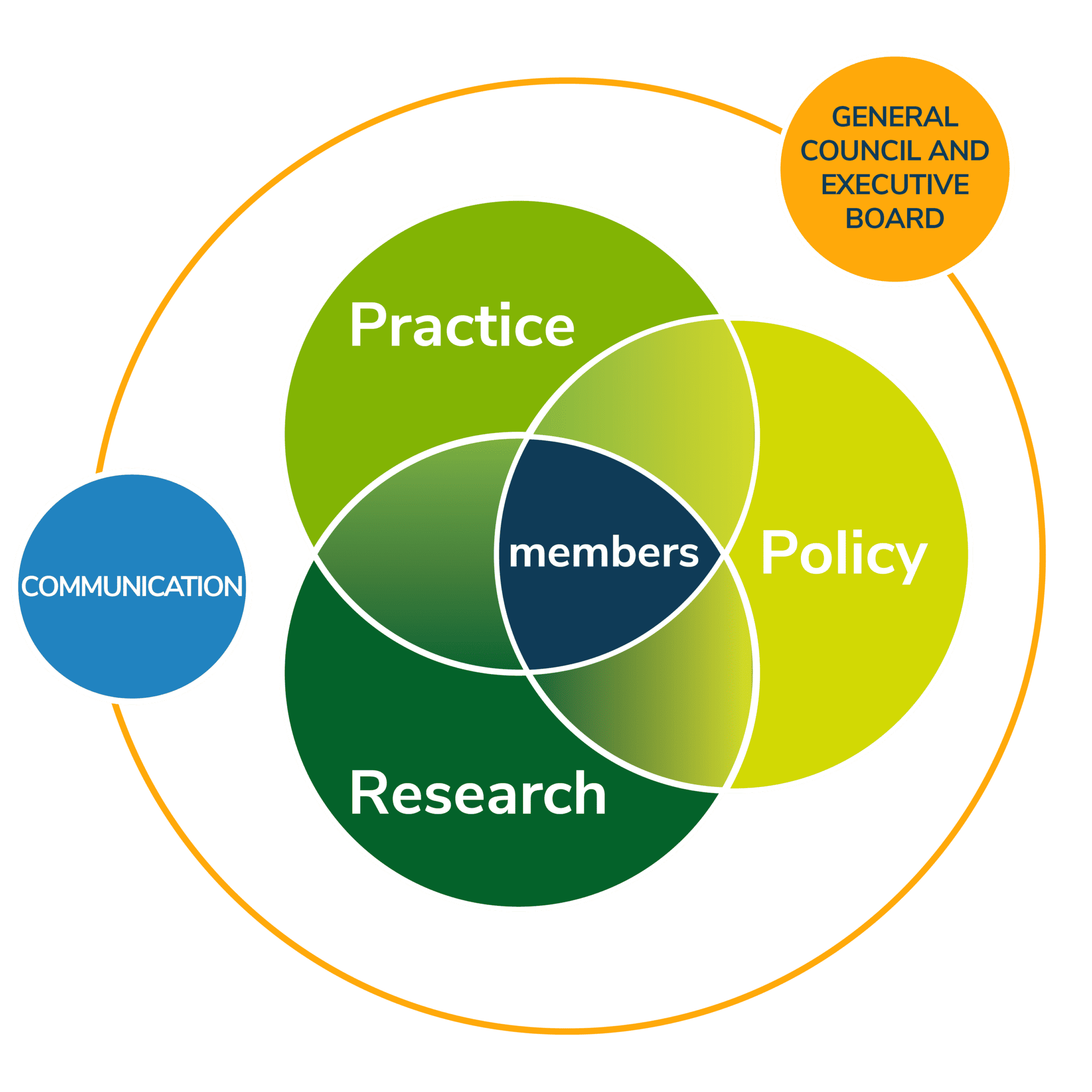
Structuring our work over a policy, a practice, and a research platform, we focus on exploring and strengthening the links between these areas.
Our approach focuses on integrated concepts to health, reducing health inequality gaps and gradients, working on determinants across the life course, whilst contributing to the sustainability and wellbeing of people and the planet.

EuroHealthNet is co-funded by the European Union. However, the information and views set out on this website are those of the author and do not necessarily reflect the official opinion of the European Commission. The Commission does not guarantee the accuracy of the data included on this website. Neither the Commission nor any person acting on the Commission's behalf may be held responsible for the use which may be made of the information contained therein.