



Ethical financing label in France
Case study
France
Solidarity-based finance
France promotes solidarity finance through the Finansol label, which connects savers with social and environmental projects by certifying transparent and impact-driven financial products. By combining traditional savings tools with solidarity mechanisms such as social investment and profit-sharing, the model mobilised €11.5 billion in assets by 2017, supporting a wide range of high-impact organisations.
Context and problems addressed
Solidarity finance connects savers seeking meaningful investments with organisations addressing social or environmental needs. Intermediaries such as ethical banks and investment funds offer traditional products (savings, insurance, funds) that integrate solidarity mechanisms. By 2017, this represented over 2.4 million products and €11.5 billion in assets in France.
Founded in 1995, Finansol is a French association bringing together financial institutions and solidarity-based organisations (enterprises, cooperatives, associations) committed to social and environmental impact.
In 1997, the Finansol label was created to identify solidarity-based financial products offered through intermediaries. Based on transparency, solidarity, and management criteria, it ensures that invested funds support impactful projects. By 2018, more than 160 products had received the label.
Intervention and financing model
The Finansol label helps structure and promote solidarity-based finance by creating a clear framework that connects savers with impactful organisations. It serves as both a quality guarantee and a visibility tool for financial products that aim to generate social and environmental benefits.
The Finansol label has three main objectives:
- To guarantee trust for savers and investors through an external third party;
- To distinguish solidarity-based investments from other savings products;
- To benefit from the association’s collective support.
To support these objectives, the label relies on three core criteria that define how products must operate and be presented:
- Solidarity: part of the savings must finance solidarity projects;
- Transparency: investors receive clear information at subscription and regular updates;
- Commercial visibility: labelled products must be actively promoted.
How does solidarity-based financing work?
Solidarity finance is often confused with SRI (socially responsible investing), but they differ. SRI selects companies based on financial, social, and environmental performance, while solidarity finance directly supports small or medium unlisted organisations addressing social or environmental challenges.
In practice, solidarity savings products are traditional savings tools with added solidarity mechanisms, such as social investment or sharing. In sharing products, part or all of the interest is donated to an NGO. These are often offered by banks and provide stable, long-term funding for associations.
However, solidarity finance mainly involves social investment. Financial return is secondary to social impact. Funds are used to support high-impact activities through debt or equity, usually via financial institutions directly or through specialized intermediaries. These intermediaries provide both funding and technical support, especially for early-stage projects. In some cases, savers invest directly by buying shares in social enterprises.
Solidarity savings products are traditional savings tools with added solidarity mechanisms, such as social investment or sharing.
Key outcomes and associated measurements
By 2017, the solidarity finance had resulted in total assets under management of €11.5bn, divided into 4 investment vehicles: saving accounts, solidarity funds, direct investments, and life insurance.
The saving accounts, distributed by banks and insurance companies, represent €2,2bn, and allow two investment possibilities: the funds can be used to invest directly in social enterprises; or 25 to a 100% of the annual interest payment from the fund can be donated to an NGO or association.
The solidarity funds are distributed by banks, funds and corporate employee saving schemes, and represent €8,6bn. This investment vehicle works through mutual funds, where 90 to 95% of the portfolio is invested in stocks and bonds of listed companies, and 5 to 10% in social companies.
The directs investments, representing €548m, consist in the purchase of shares or bonds offered by a social enterprise: individuals can invest directly in social enterprises; in order to assist them in their growth and development. According to European rules, those engaging in this type of activity are entitled to a reduction in income tax.
Finally, solidarity finance is divided into life insurance, channelled through banks, insurance companies and mutual societies. It represents €188m and takes the form of life insurance policies (in euros and/or unit-linked).
Related case studies

United Kingdom’s microcredit as a public health initiative

“Come Eat Together” – Asset-based approach to tackle loneliness

Operation 15+15+15 by DoucheFLUX
About EuroHealthNet
Building a healthier future for all by addressing the determinants of health and reducing inequalities.
EuroHealthNet is the Partnership of public health agencies and organisations building a healthier future for all by addressing the determinants of health and reducing inequalities. Our focus is on preventing disease and promoting good health by looking within and beyond the health system.
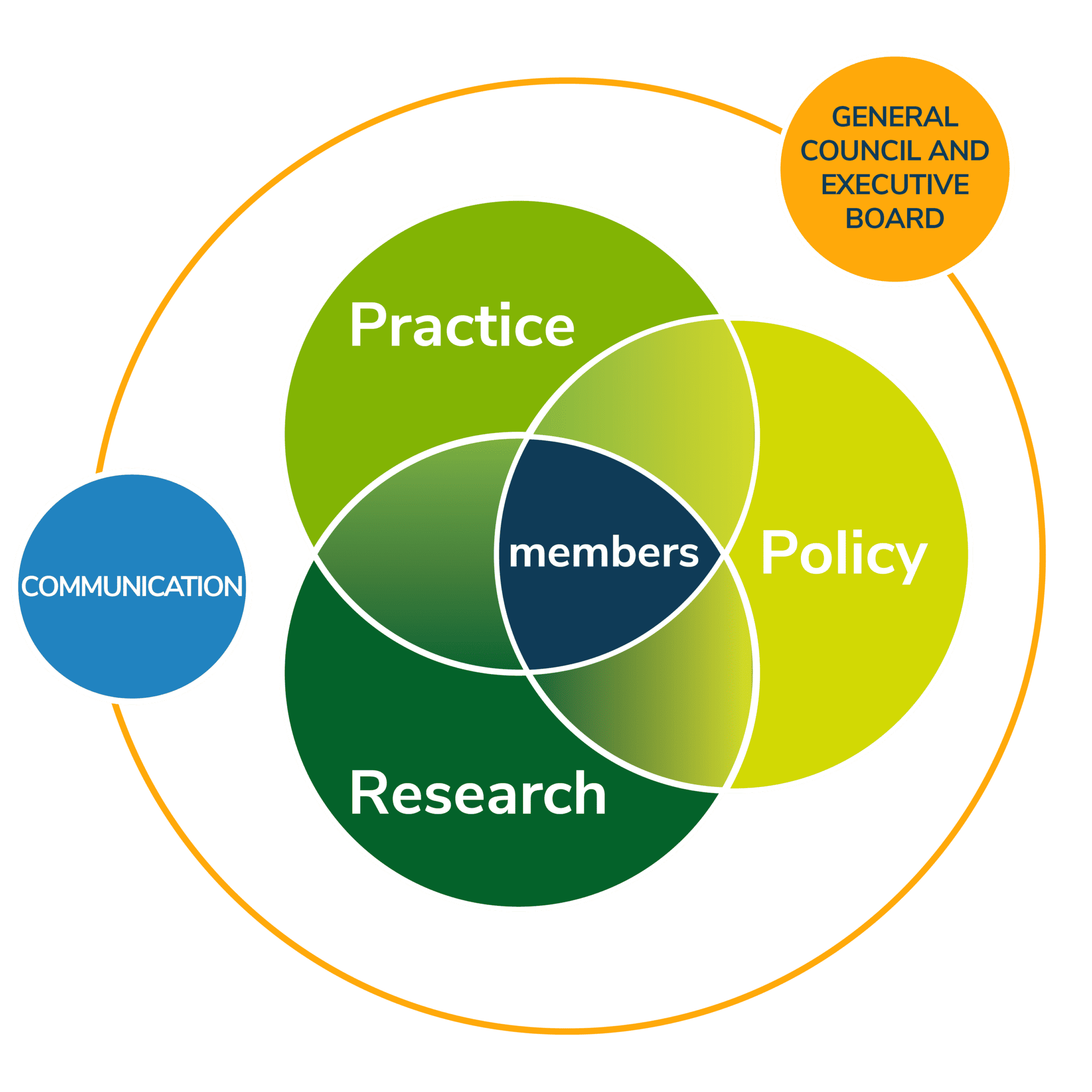
Structuring our work over a policy, a practice, and a research platform, we focus on exploring and strengthening the links between these areas.
Our approach focuses on integrated concepts to health, reducing health inequality gaps and gradients, working on determinants across the life course, whilst contributing to the sustainability and wellbeing of people and the planet.
EuroHealthNet is co-funded by the European Union. However, the information and views set out on this website are those of the author and do not necessarily reflect the official opinion of the European Commission. The Commission does not guarantee the accuracy of the data included on this website. Neither the Commission nor any person acting on the Commission's behalf may be held responsible for the use which may be made of the information contained therein.