UK’s The Skill Mill
A social enterprise employing young ex-offenders

Case study
United-Kingdom
Social Impact Bond (SIB) & social enterprise revenue
The Skill Mill in the United Kingdom is a social enterprise that employs young ex-offenders on environmental projects to help them break the cycle of reoffending. Funded through a mix of Social Impact Bond payments and revenue from clients, the six-month programme provides real work experience, training, and qualifications. Since 2014, Skill Mill has supported 450 young people, achieving a reconviction rate of just 7.3% and generating substantial social and economic benefits.
Context and problems addressed
Despite a significant decrease in the number of youth offenders and their reoffending rates over the past decade, more than one-third of young offenders in England and Wales continue to reoffend.
The stigma attached to criminal records makes it difficult for young offenders to access education, training, and employment opportunities, leading to potential social exclusion. Recidivism not only threatens community safety but also presents a challenge for local authorities, as youth offenders require tailored and comprehensive support to successfully reintegrate into society and the economy.
Intervention and financing model
The Skill Mill is a social enterprise which employs young ex-offenders to work on environmental projects across the UK. Skill Mill was launched as a pilot in the northeast of England in 2013 and, given its success, was expanded across England through SIB funding.
Skill Mill offers an intensive six-month work experience programme designed to help vulnerable young people break the cycle of reoffending. The programme is innovative as it combines environmental services, real work opportunities, and youth justice. The work is commissioned by clients including local authorities, businesses, and non-profit organisations.
The Skill Mill is funded by a mix of grants, investments from private companies, and by the Life Chances Fund. The income generated consists of outcomes payment (2/3) and revenues from local clients for completing outdoor work (1/3). Skill Mill’s outcome payment structure is linked to the achievement of the following six outcomes: preventing reoffending, employment and further education, programme registration, programme completion, qualification, and attendance. Reoffending rate outcome will be compared with the figures published by the Ministry of Justice in the UK.
The income generated consists of outcomes payment (2/3) and revenues from local clients for completing outdoor work (1/3)
Key outcomes and associated measurements
Since 2014, Skill Mill has employed 450 young people in England, of which only 33 have been reconvicted. This results in a reconviction rate of 7.3%, a significant improvement compared to the national 63% rate. This reduction in reoffending rates translates to a five times return on investment.
The reduction in reoffending can also be quantified in terms of economic and social benefits. Based on Home Office figures on the costs of crime, the saving from reduction of reoffending is estimated at around £111,000 per re-offence. When combined with the reoffending reduction impact from The Skill Mill, this equates to approximately £ 30 million in savings.
Related case studies

Case study name
Type of financing model
1-sentence description of case study
Case study name
Type of financing model
1-sentence description of case study
Case study name
Type of financing model
1-sentence description of case study
About EuroHealthNet
Building a healthier future for all by addressing the determinants of health and reducing inequalities.
EuroHealthNet is the Partnership of public health agencies and organisations building a healthier future for all by addressing the determinants of health and reducing inequalities. Our focus is on preventing disease and promoting good health by looking within and beyond the health system.
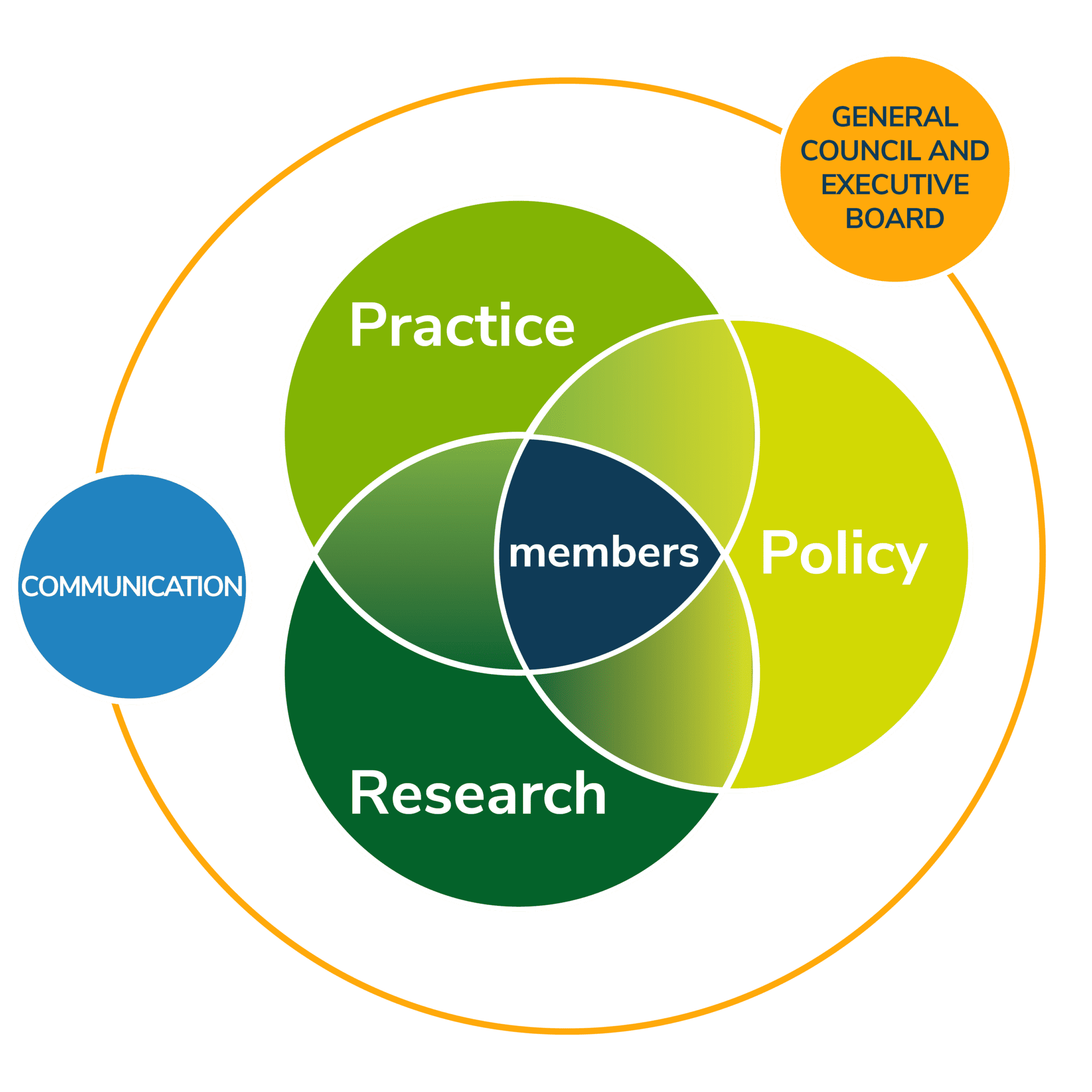
Structuring our work over a policy, a practice, and a research platform, we focus on exploring and strengthening the links between these areas.
Our approach focuses on integrated concepts to health, reducing health inequality gaps and gradients, working on determinants across the life course, whilst contributing to the sustainability and wellbeing of people and the planet.
EuroHealthNet is co-funded by the European Union. However, the information and views set out on this website are those of the author and do not necessarily reflect the official opinion of the European Commission. The Commission does not guarantee the accuracy of the data included on this website. Neither the Commission nor any person acting on the Commission's behalf may be held responsible for the use which may be made of the information contained therein.