



Timebanking and the co-production of preventive social care with adults
Case study
United Kingdom
Community timebanking
Timebanking was introduced in England as a community-based approach to preventive social care, enabling people to exchange support through a system of time credits. While funded by public bodies and grants and designed as a low-cost, co-produced solution, the model proved resource-intensive and limited in scale, with stronger results in building social connections than in delivering direct care services.
Context and problems addressed
Adult social care in England has been under increasing pressure due to rising demand and shrinking resources. Preventive services in social care, which aim to delay or reduce the need for more intensive care, have been promoted as part of the solution, particularly following the 2014 Care Act which mandated a preventive approach. Volunteering has also been encouraged to supplement statutory services. One such initiative, timebanking, was introduced as an innovative form of volunteering and mutual aid, where participants earn time credits for helping others and use those credits to receive support in return. The model was proposed as a co-production mechanism to deliver low-level social care services – such as cleaning or shopping – more cost-effectively. In addition, timebanking was seen as a way to strengthen social connections, reduce isolation, and empower participants by recognising their contributions.
Intervention and financing model
Between 2012 and 2015, six person-to-person timebanks were evaluated in different contexts across England, including GP surgeries, community organisations, and ageing charities. These timebanks were funded either by internal organisational budgets, local councils, or grants (e.g., from the Big Lottery Fund), and were supported by Timebanking UK.
Each timebank was managed by brokers, which is a paid staff responsible for recruiting members, coordinating exchanges, and managing safeguarding processes. Activities ranged from organising social groups to facilitating person-to-person help with tasks like shopping or gardening. However, actual exchanges were broker-led rather than member-initiated, and often required extensive administrative support, including background checks and risk assessments.
Despite being framed as mutual aid networks enabling co-production, timebanks in practice largely resembled traditional volunteering schemes. Exchanges required significant coordination and resources, and participation was often limited to a small number of active members. Nevertheless, for those who did participate actively, the model provided a flexible and reciprocal way of both giving and receiving support.
These timebanks were funded either by internal organisational budgets, local councils, or grants (e.g., from the Big Lottery Fund), and were supported by Timebanking UK.
Key outcomes and associated measurements
Across the six case studies, person-to-person exchanges accounted for only 5–24% of recorded activities, and many timebanks largely abandoned the person-to-person model in favour of group activities. Only two timebanks facilitated higher levels of direct exchanges, due to greater staff capacity and a more flexible approach to risk management. On average, fewer than 60 members per timebank were actively engaged in the previous 12 months, despite reported memberships of up to 1,000.
While timebanking was promoted as a low-cost, community-led solution for preventive social care, the model proved resource-intensive and limited in scalability. Only three of the six timebanks studied were still operational as of 2020, with most having discontinued person-to-person exchanges entirely. However, the shift towards group activities was often associated with stronger participation and social interaction, suggesting that timebanks may be more effective as community-building initiatives than as direct service delivery mechanisms.
Lessons include the need for adequate staffing, simpler regulatory frameworks, and realistic expectations regarding community-led service delivery in the context of adult social care.
Related case studies

Ethical financing label in France

United Kingdom’s microcredit as a public health initiative

Operation 15+15+15 by DoucheFLUX
About EuroHealthNet
Building a healthier future for all by addressing the determinants of health and reducing inequalities.
EuroHealthNet is the Partnership of public health agencies and organisations building a healthier future for all by addressing the determinants of health and reducing inequalities. Our focus is on preventing disease and promoting good health by looking within and beyond the health system.
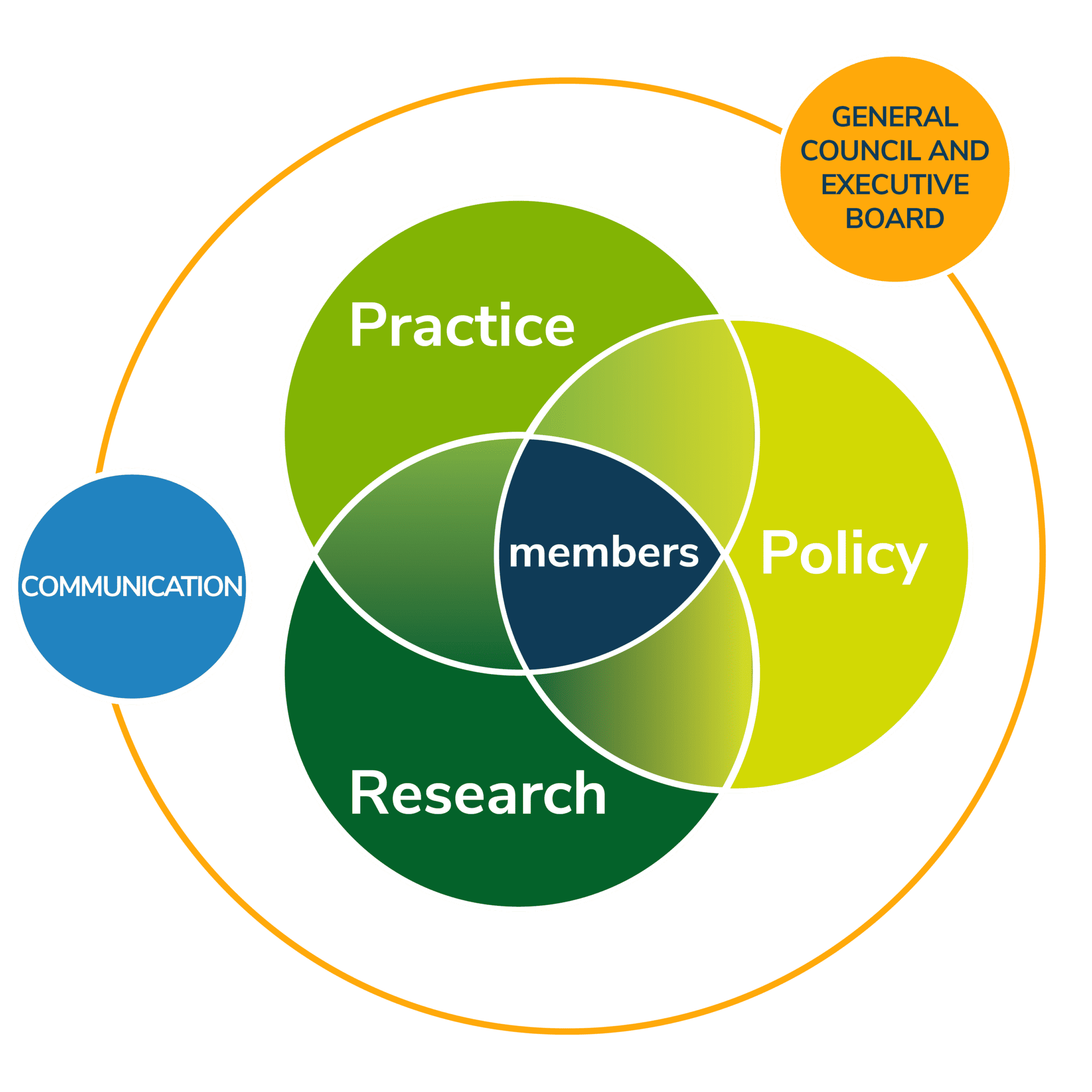
Structuring our work over a policy, a practice, and a research platform, we focus on exploring and strengthening the links between these areas.
Our approach focuses on integrated concepts to health, reducing health inequality gaps and gradients, working on determinants across the life course, whilst contributing to the sustainability and wellbeing of people and the planet.
EuroHealthNet is co-funded by the European Union. However, the information and views set out on this website are those of the author and do not necessarily reflect the official opinion of the European Commission. The Commission does not guarantee the accuracy of the data included on this website. Neither the Commission nor any person acting on the Commission's behalf may be held responsible for the use which may be made of the information contained therein.