



Workplace Health Promotion in German Social Firms
Offers, Needs and Challenges from the Perspectives of Employees, Supervisors and Experts

Case study
Germany
Social entreprise
Workplace health promotion in German social firms aims to improve the wellbeing and inclusion of employees with disabilities, who often face poorer health outcomes despite being integrated into the labour market. Initiatives such as physical activity, nutrition, and mental health programmes are supported through company budgets, partnerships, and health insurance incentives.
Context and problems addressed
Social firms in Germany employ between 30% and 50% of workers with disabilities and provide employment opportunities on the regular labour market for people who might otherwise work in sheltered workshops. These firms therefore play an important role in promoting social inclusion and participation. Although these firms support inclusive employment, employees with disabilities often experience poorer health outcomes than the general population, including lower levels of physical activity and higher mental health burdens. Workplace health promotion (WHP) could help improve employee well-being and support long-term participation in the labour market.
However, WHP has received limited attention in social firms. Many existing health programmes are not adapted to the needs of employees with disabilities, and companies often lack structured health promotion strategies. In addition, social firms frequently operate with limited financial and organisational resources, which makes it difficult to implement comprehensive health promotion initiatives.
Intervention and financing model
The study examined workplace health promotion practices across several social firms in Northern Germany. Data were collected between July and December 2020 through three focus groups with employees with disabilities (14 participants), 16 interviews with supervisors and 17 interviews with experts in workplace health promotion and social enterprise management.
A range of health promotion activities were implemented in some firms. These included sports and physical activity initiatives such as gym discounts, swimming sessions, yoga classes and team sports. Nutrition-related measures included healthy breakfasts and cooking courses, while relaxation and stress management activities included meditation sessions and workplace massages. Some firms also offered smoking cessation programmes and health checks such as vaccinations and screenings. In addition, training programmes were organised on topics such as communication skills, conflict management and mental health awareness for both employees and supervisors.
These initiatives were generally financed through company budgets, partnerships with external organisations and incentive programmes offered by health insurance providers. Such partnerships were identified as a key enabler for implementing WHP activities. However, smaller social firms often faced difficulties maintaining these programmes due to limited financial and human resources.
Workplace health promotion activities were supported through company budgets, partnerships with external organisations, and incentives from health insurance providers.
Key outcomes and associated measurements
The study found that workplace health promotion initiatives can contribute to increased awareness of healthy behaviours, higher participation in physical activity and improved team cohesion. Some employees also reported benefits such as better stress management, improved communication within teams and, in some cases, weight loss.
However, participation rates in health promotion activities were often low. Supervisors reported that only a small number of employees regularly attended these programmes. Implementation was further limited by financial constraints, a lack of dedicated staff to coordinate initiatives, scheduling difficulties and limited management support. In addition, some training programmes were not adapted to the cognitive or communication needs of employees with disabilities, reducing their accessibility and effectiveness.
Overall, the findings indicate that while individual health promotion activities exist in social firms, they are often implemented on an ad hoc basis and lack structured, long-term workplace health management systems. The study nevertheless highlights existing practices and stakeholder interest that could support the development of more systematic and inclusive WHP strategies
Related case studies

The Prevention Act in Germany

Public Health Wales launch the Well-being Economics and Value (WEAVE) team

Workplace health promotion to facilitate physical activity among office workers in Sweden
About EuroHealthNet
Building a healthier future for all by addressing the determinants of health and reducing inequalities.
EuroHealthNet is the Partnership of public health agencies and organisations building a healthier future for all by addressing the determinants of health and reducing inequalities. Our focus is on preventing disease and promoting good health by looking within and beyond the health system.
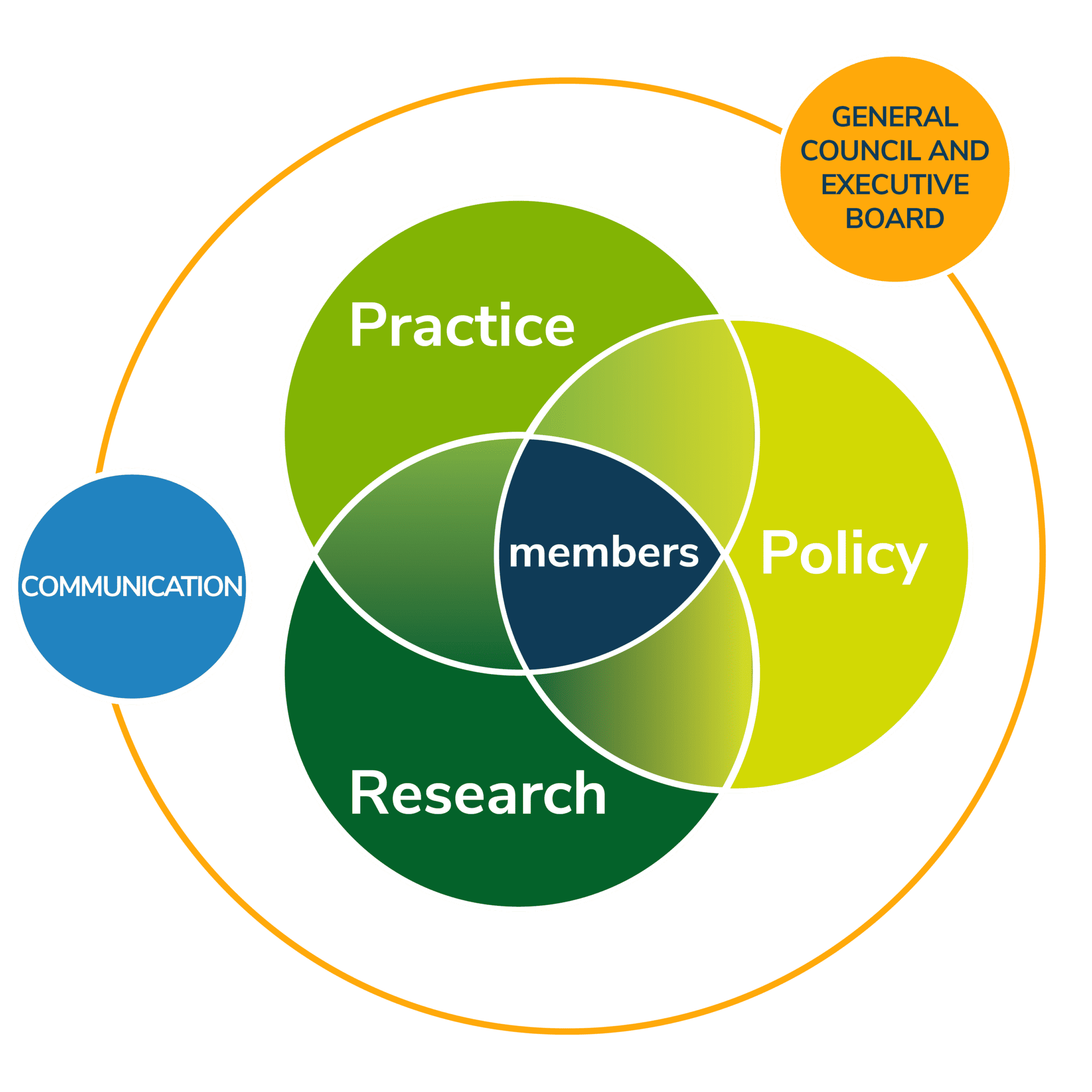
Structuring our work over a policy, a practice, and a research platform, we focus on exploring and strengthening the links between these areas.
Our approach focuses on integrated concepts to health, reducing health inequality gaps and gradients, working on determinants across the life course, whilst contributing to the sustainability and wellbeing of people and the planet.

EuroHealthNet is co-funded by the European Union. However, the information and views set out on this website are those of the author and do not necessarily reflect the official opinion of the European Commission. The Commission does not guarantee the accuracy of the data included on this website. Neither the Commission nor any person acting on the Commission's behalf may be held responsible for the use which may be made of the information contained therein.