



Social Enterprise and Health and Well-being Impacts

Case study
Scotland, United Kingdom
Social entreprise
Social enterprises in Scotland address health inequalities by tackling the social and economic determinants of health, such as unemployment, poverty, and social isolation. Operating through a hybrid financing model that combines commercial income with grants and public funding, these organisations reinvest profits into community-focused activities that improve wellbeing, employability, and social cohesion.
Context and problems addressed
Many communities in Scotland face significant social and economic challenges that contribute to health inequalities. These include unemployment, poverty, financial exclusion, poor housing conditions, social isolation, and limited access to services. Such issues are recognised as important social determinants of health that negatively affect physical and mental wellbeing. Public health systems often focus on treating illness rather than addressing these upstream determinants.
At the same time, public sector resources are constrained, limiting the ability to provide preventative and community-based interventions. Social enterprises, that is, businesses that pursue social objectives and reinvest profits into community benefit, have therefore gained increasing attention as potential actors in improving health and wellbeing. However, there is limited empirical evidence on how social enterprise activities contribute to health outcomes.
Intervention and financing model
This study analysed the activities of 17 social enterprises operating across Scotland, working in areas such as employment support, housing services, community development, financial services, and support for vulnerable populations. These organisations aim to address social determinants of health through initiatives including job training programmes, community regeneration projects, affordable housing provision, and financial inclusion services.
The organisations operate under a social enterprise financing model, combining income from commercial activities (such as cafés, farms or training services) with grants and public contracts. Profits generated through trading activities are reinvested to support social missions rather than distributed to shareholders. This model enables social enterprises to sustain services while delivering social value to local communities.
Profits generated through trading activities are reinvested to support social missions rather than distributed to shareholders.
Key outcomes and associated measurements
The study found that social enterprise activities generate several intermediate outcomes that contribute to improved health and wellbeing. These include increased social connectedness, improved employability and employment opportunities, enhanced confidence and self-esteem, and stronger community cohesion.
Economic outcomes include improved financial stability for individuals and increased local economic activity through job creation and local spending. Environmental and community improvements, such as the development of community spaces and better housing conditions, were also observed.
These outcomes contribute to improved mental and physical wellbeing, including reduced social isolation, increased physical activity, and better overall quality of life. The findings suggest that social enterprises can function as “non-obvious” public health actors by addressing upstream determinants of health and reducing demand for more costly remedial services.
Related case studies

Future Parks Accelerator

Public Health Wales launch the Well-being Economics and Value (WEAVE) team

The Prevention Act in Germany
About EuroHealthNet
Building a healthier future for all by addressing the determinants of health and reducing inequalities.
EuroHealthNet is the Partnership of public health agencies and organisations building a healthier future for all by addressing the determinants of health and reducing inequalities. Our focus is on preventing disease and promoting good health by looking within and beyond the health system.
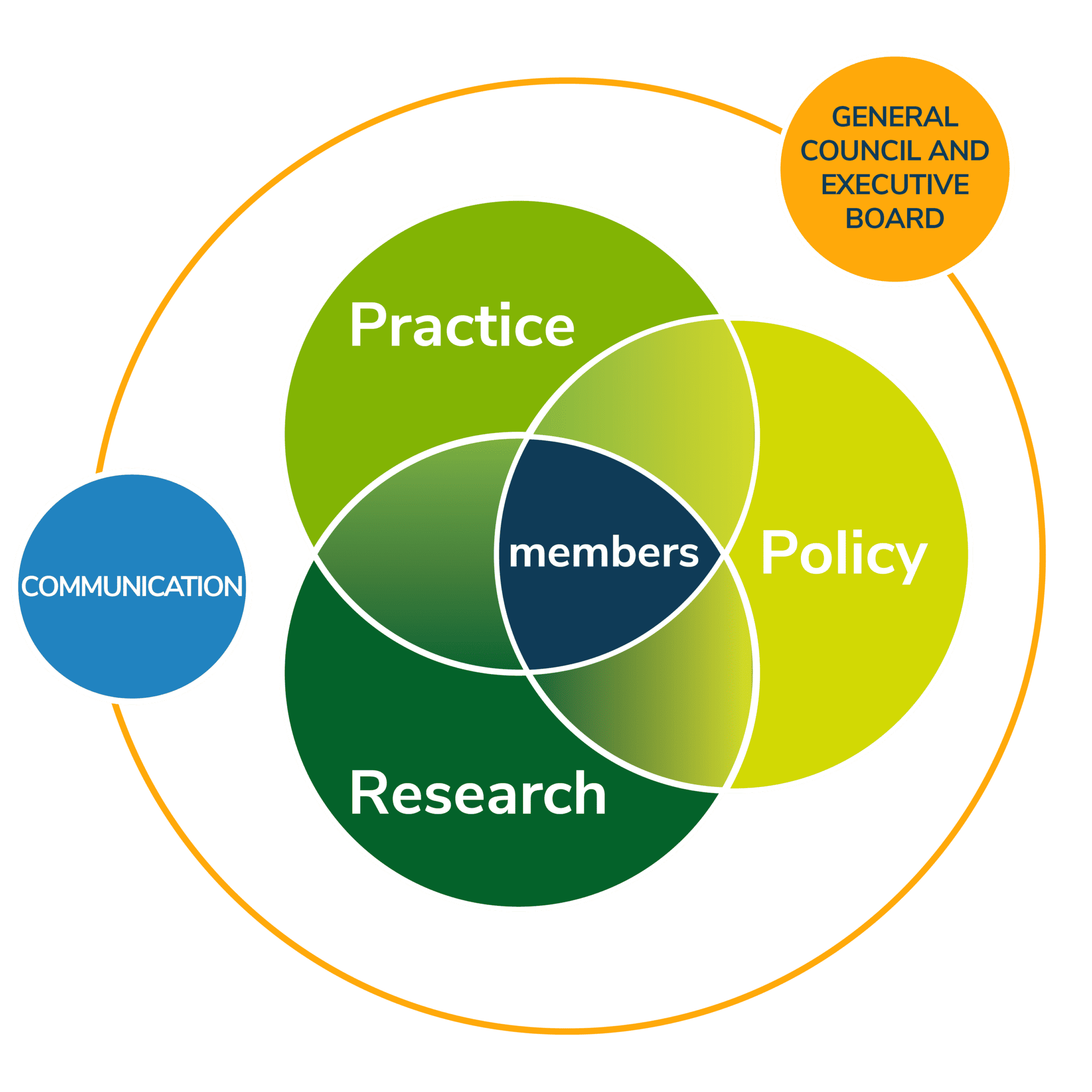
Structuring our work over a policy, a practice, and a research platform, we focus on exploring and strengthening the links between these areas.
Our approach focuses on integrated concepts to health, reducing health inequality gaps and gradients, working on determinants across the life course, whilst contributing to the sustainability and wellbeing of people and the planet.

EuroHealthNet is co-funded by the European Union. However, the information and views set out on this website are those of the author and do not necessarily reflect the official opinion of the European Commission. The Commission does not guarantee the accuracy of the data included on this website. Neither the Commission nor any person acting on the Commission's behalf may be held responsible for the use which may be made of the information contained therein.