



The Sugar Sweetened Drinks Tax in Ireland
Case study
Ireland
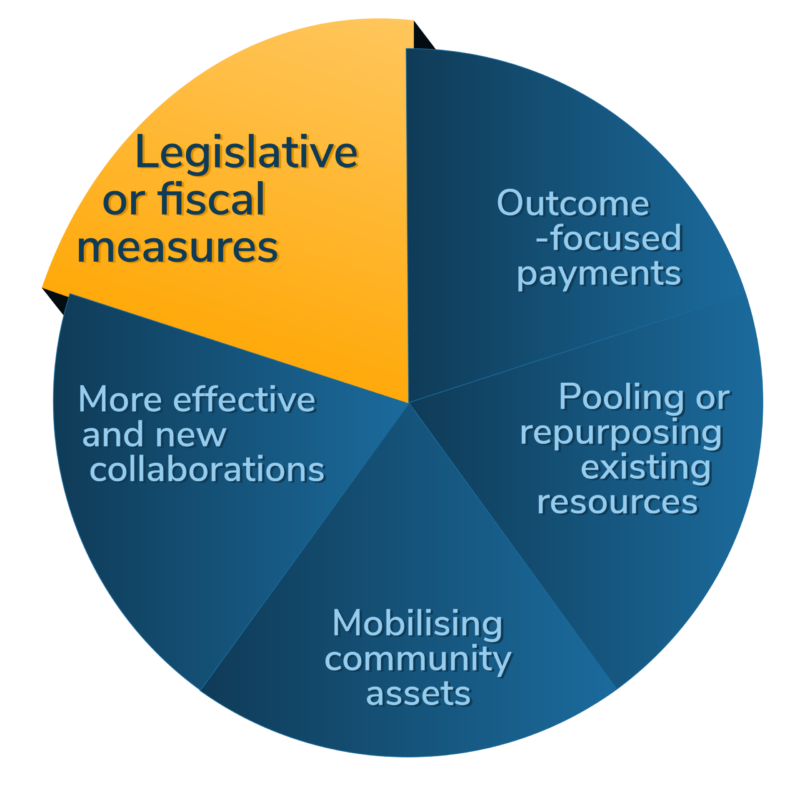
Legislative or fiscal measures
Fiscal policies such as sugar-sweetened drinks taxes are increasingly used to curb excessive sugar consumption and address rising rates of obesity and diet-related diseases. By targeting high-sugar beverages and incentivising reformulation, these measures aim to shift consumer behaviour while encouraging industry change. Ireland’s Sugar-Sweetened Drinks Tax (SSDT) illustrates this approach through a structured, tiered system based on sugar content, applied at the producer and importer level and embedded within broader efforts to improve population health.
Context and problems addressed
Ireland has been particularly touched by high rates of overweight and obesity: one in five primary school children lives with overweight or obesity, and almost 60% of adults are overweight or obese. These conditions can increase the risk of developing type 2 diabetes, cancer and many other non-communicable diseases.
The Sugar Sweetened Drinks Tax (SSDT) is one of a number of measures being implemented under Ireland’s obesity policy and action plan ‘‘A Healthy Weight for Ireland – Obesity Policy and Action Plan 2016-2025’’. This plan aims to reduce levels of obesity through a range of actions from health promotion and education to regulatory measures, including the SSDT, and through supporting services to manage and treat obesity in health services.
Ireland was the 36th country globally to introduce a tax on sugar-sweetened drinks. To date, more than 100 countries worldwide have implemented similar taxes as part of broader efforts to reduce sugar consumption and improve public health.
Intervention and financing model
Ready-to-consume drinks are liable to Sugar-Sweetened Drinks Tax (SSDT) if they fall under specific EU classiciations (CN 2009 and 2202):
- they contain added sugar,
- and have a total sugar content of at least 5g per 100ml.
The tax is collected at producer or importer level and applies on a volumetric basis, with rates linked to sugar content. Drinks containing between 5g and 8g of sugar per 100ml are taxed at 16 cent per litre, while those exceeding 8g are taxed at 24 cent per litre.
Initially applied to water and juice-based drinks which have added sugar, the tax was expanded in 2019 to include certain plant protein drinks and drinks containing milk fats.
Revenues generated are allocated to general government funds as hypothecation, as the Irish tax system does not earmark such taxes for specific expenditures.
Key outcomes and associated measurements
In 2024, the Ministry of Health published an evaluation of Ireland’s Sugar Sweetened Drinks Tax (SSDT). The evaluation, which uses market data from Euromonitor International, shows a clear initial decrease in sugar consumption from carbonated soft drinks after the tax was introduced, with reductions of over 30% in retail and nearly 20% in food service settings in 2019. However, it also points to challenges in maintaining these effects over time, as some of the early gains were gradually offset by increases in later years. This indicates that while the SSDT can encourage short-term changes in consumption, its longer-term impact may depend on being combined with other public health measures.
Related case studies

Abatement policies to address childhood obesity in Europe

Hungarian public health product tax

Scotland’s 10-year strategy “Together we can” to embed prevention into national planning, budgeting
About EuroHealthNet
Building a healthier future for all by addressing the determinants of health and reducing inequalities.
EuroHealthNet is the Partnership of public health agencies and organisations building a healthier future for all by addressing the determinants of health and reducing inequalities. Our focus is on preventing disease and promoting good health by looking within and beyond the health system.
Structuring our work over a policy, a practice, and a research platform, we focus on exploring and strengthening the links between these areas.
Our approach focuses on integrated concepts to health, reducing health inequality gaps and gradients, working on determinants across the life course, whilst contributing to the sustainability and wellbeing of people and the planet.

EuroHealthNet is co-funded by the European Union. However, the information and views set out on this website are those of the author and do not necessarily reflect the official opinion of the European Commission. The Commission does not guarantee the accuracy of the data included on this website. Neither the Commission nor any person acting on the Commission's behalf may be held responsible for the use which may be made of the information contained therein.