



France’s hémisphère social impact bond
Addressing homelessness and supporting asylum seekers

Case study
France
Social Impact Bond (SIB) & social impact investment fund
The Hémisphère Social Impact Fund in France uses a combination of Social Impact Bond financing and social investment to provide emergency accommodation and support for homeless people and asylum seekers. By transforming hotels into dedicated housing and offering social services, the fund links part of investor returns to achieving outcomes like access to education, social benefits, and permanent housing.
Context and problems addressed
Between 2001 and 2012, homelessness in France surged by 50%, affecting 143,000 people. It is believed that homelessness rates have continued to grow since then. The 2015 migrant crisis further exacerbated the situation, placing additional strain on the existing shelter infrastructure. Due to the shortage of shelters, the French government was compelled to accommodate homeless people and asylum seekers in private hotels, costing the state on average EUR 30/day compared to EUR 20/day in dedicated shelters. This emergency solution was both costly and ineffective in providing long-term social support.
Intervention and financing model
In response to these challenges, the French government partnered with various institutional investors to launch the Hémisphère Social Impact Fund in June 2017. With a duration of 11 years, this fund aims to provide dedicated shelter accommodations and social support services to homeless people and asylum seekers across France, while reducing delivery costs for the government.
The fund is one of the largest social impact bonds in Europe and brings together EUR 100 million social impact investment from seven French institutional investors and a EUR 100 million conventional bank loan from the Council of Europe Development Bank. This capital was used to purchase and renovate 62 hotels, transforming them into 6,000 units of emergency accommodation. The fund is also being used to provide social support services.
The service provider, Adona, is responsible for providing emergency accommodation and social support to homeless people and asylum seekers. It is also responsible for achieving specific social outcomes, which are measured as rate of enrolment in education of children aged 6-16 (95%), proportion of adults who have a personalised support plan (90%), rate of access to social security benefits (80%), and rate of placements into permanent accommodation (70%). The EUR 200 million investment is financed by the fixed rents of the hotels, with institutional investors receiving an additional variable rate based upon the achievement of these social outcomes.
It is interesting to note that the Hémisphère Fund differs from the original concept of SIBs as it has separated a relatively low risk portion of the project (the real estate) from a relatively higher risk portion (the achievement of social outcomes). Typically, social investors risk their capital if social outcomes are not met, making it a high-risk investment. However, in the Hémisphère Fund, the risk to investors is mitigated, as only part of the returns is contingent on the achievement of social outcomes, while the underlying capital investment is secured through fixed remuneration from the hotel rents.
The EUR 200 million investment is financed by the fixed rents of the hotels, with institutional investors receiving an additional variable rate based upon the achievement of these social outcomes.
Key outcomes and associated measurements
Annual audits by KPMG measure the fund’s performance. In its initial years, the program’s performance scores were 43% in 2017 and improved to 80% in 2018, with continued progress in 2019. On the long term, the fund aims to provide 10,000 accommodation units over 10 years, with a 3% return on investment tied to the achievement of social outcomes.
The use of private capital to fund public services presented several challenges, particularly within a politically sensitive environment. Some opposed supporting asylum seekers, while others criticised the potential for private investors to profit from social services aimed at vulnerable populations. It was, therefore, important to showcase the long-term social benefits and value for public spending that the fund is expected to deliver.
Related case studies

The Newpin Programme

Fair chance fund

Tackling inequality among children and young people in UK’s West London Zone
About EuroHealthNet
Building a healthier future for all by addressing the determinants of health and reducing inequalities.
EuroHealthNet is the Partnership of public health agencies and organisations building a healthier future for all by addressing the determinants of health and reducing inequalities. Our focus is on preventing disease and promoting good health by looking within and beyond the health system.
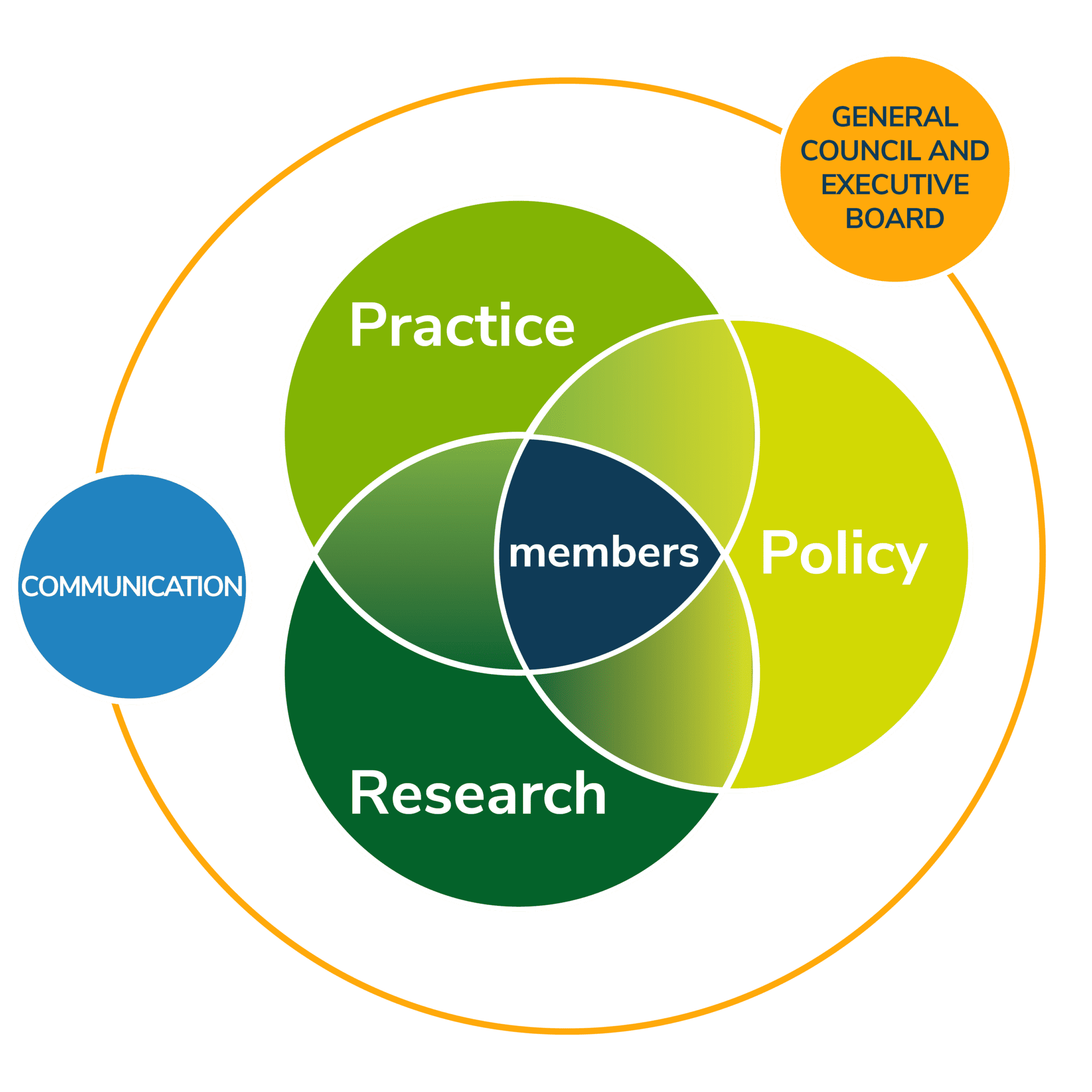
Structuring our work over a policy, a practice, and a research platform, we focus on exploring and strengthening the links between these areas.
Our approach focuses on integrated concepts to health, reducing health inequality gaps and gradients, working on determinants across the life course, whilst contributing to the sustainability and wellbeing of people and the planet.

EuroHealthNet is co-funded by the European Union. However, the information and views set out on this website are those of the author and do not necessarily reflect the official opinion of the European Commission. The Commission does not guarantee the accuracy of the data included on this website. Neither the Commission nor any person acting on the Commission's behalf may be held responsible for the use which may be made of the information contained therein.