



The national programme budgeting and marginal analysis in Wales
Case study
Wales, United Kingdom
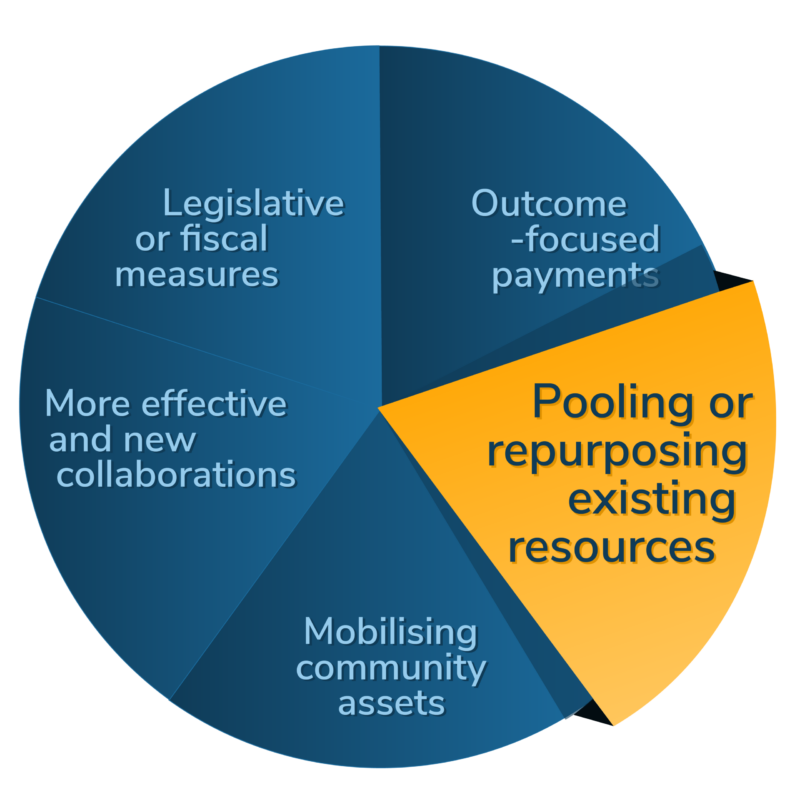
Pooling or repurposing existing resources
Wales implemented a national Programme Budgeting and Marginal Analysis (PBMA) exercise to improve how limited public health resources are allocated across prevention and health improvement programmes. By combining evidence and expert judgement through a structured decision-making panel, the approach supported decisions on where to disinvest and reinvest resources, ultimately identifying £15.1 million in programmes and reallocating funds across priority areas and life stages to improve population health and equity.
Context and problems addressed
Wales faces significant public health challenges, including relatively low life expectancy and large inequalities in health outcomes. These challenges place additional pressure on the National Health Service (NHS). As a result, there has been increasing recognition of the need to better understand and coordinate the wide range of health improvement and prevention programmes delivered by the Welsh Government, the NHS, local authorities and voluntary sector organisations.
Intervention and financing model
A national Programme Budgeting and Marginal Analysis (PBMA) exercise was completed by Public Health Wales. The exercise looked at public health interventions at national level, including services provided by the NHS as well as public and private partners. It used the PBMA method, which helps decision-makers compare different options and decide how to use limited resources in the best way. By combining evidence with expert input, PBMA supports choices that aim to improve population health as much as possible, while also considering priorities such as fairness and equity.
The Minister for Health and Social Care asked Public Health Wales to establish a Health Improvement Advisory Group to oversee a PBMA expert panel. This panel reviewed evidence from multiple sources to assess different ways of delivering health improvement initiatives across Wales. Through electronic voting, members agreed on key parameters such as the appropriate time horizon for programme outcomes and the criteria used to assess potential investments or disinvestments in services. The same voting process was used by the panel to determine whether particular services should receive additional investment or be reduced.
Programme budgeting is an appraisal of past resource allocation in specified programmes, with a view to tracking future resource allocation in those same programmes. An expert panel was established with representatives from Public Health Wales, the Welsh Government, NHS Health Boards, the third sector, local government and primary care.
The PBMA method helps decision-makers compare different options and decide how to use limited resources in the best way, combining evidence with expert input to improve population health while also considering fairness and equity.
Key outcomes and associated measurements
The results identified a budget of £15.1 million, spanning 10 Welsh Government priority areas and 6 life course stages. Due to lack of evidence, the panel recommended total disinvestment in 7 out of 25 initiatives releasing £1.5 million of resources, and partial disinvestment in a further 3 interventions releasing £7.3 million of resources to be reinvested.
Related case studies

Get Finland Moving: using phenomenon budgeting to address physical inactivity

Maintaining employability through the TErrA Project in Germany

The Prioritisation Framework for public health investments – Public Health England
About EuroHealthNet
Building a healthier future for all by addressing the determinants of health and reducing inequalities.
EuroHealthNet is the Partnership of public health agencies and organisations building a healthier future for all by addressing the determinants of health and reducing inequalities. Our focus is on preventing disease and promoting good health by looking within and beyond the health system.
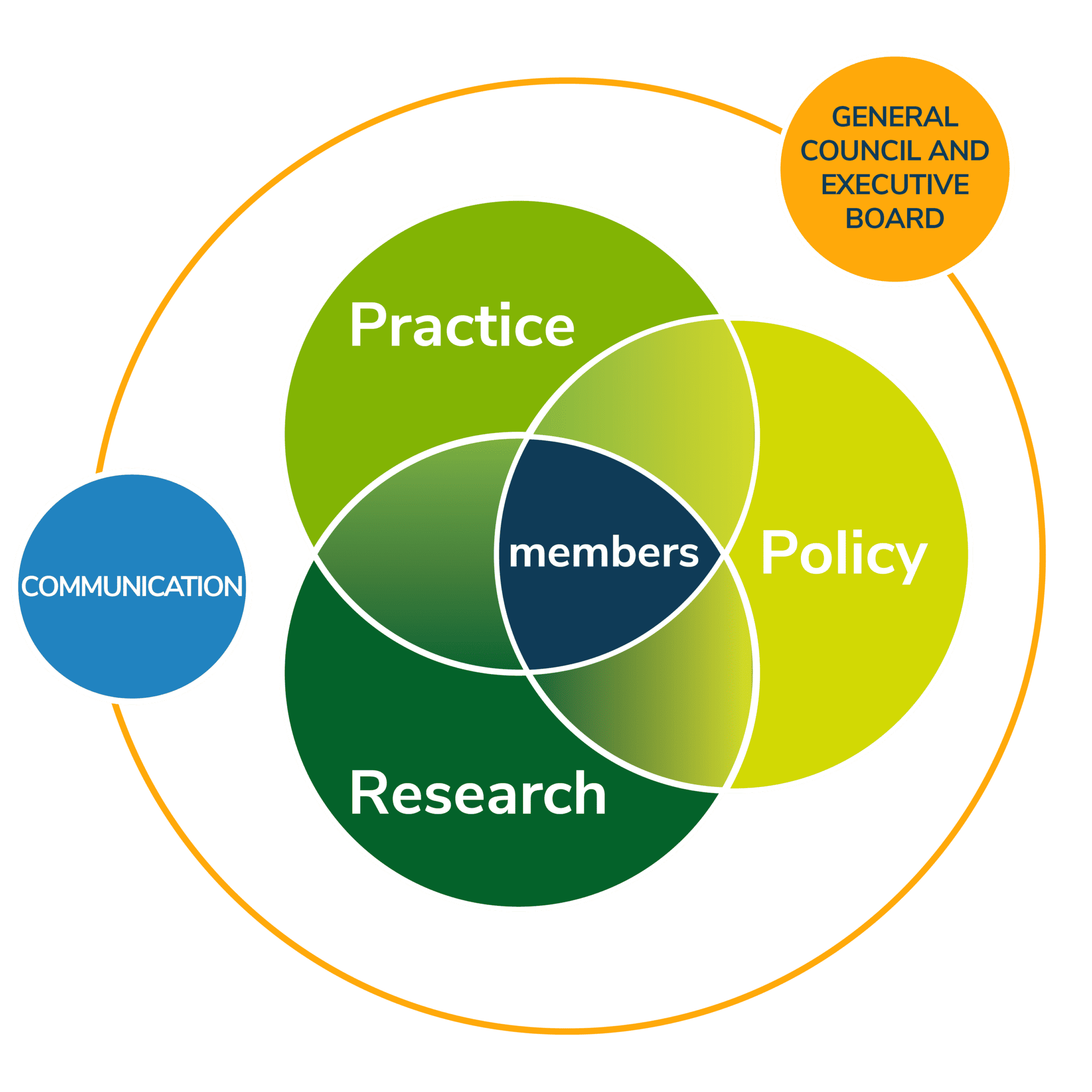
Structuring our work over a policy, a practice, and a research platform, we focus on exploring and strengthening the links between these areas.
Our approach focuses on integrated concepts to health, reducing health inequality gaps and gradients, working on determinants across the life course, whilst contributing to the sustainability and wellbeing of people and the planet.
EuroHealthNet is co-funded by the European Union. However, the information and views set out on this website are those of the author and do not necessarily reflect the official opinion of the European Commission. The Commission does not guarantee the accuracy of the data included on this website. Neither the Commission nor any person acting on the Commission's behalf may be held responsible for the use which may be made of the information contained therein.