



Abatement policies to address childhood obesity in Europe
Case study
Multiple countries (WHO European Region)
Public policy and multisectoral investment
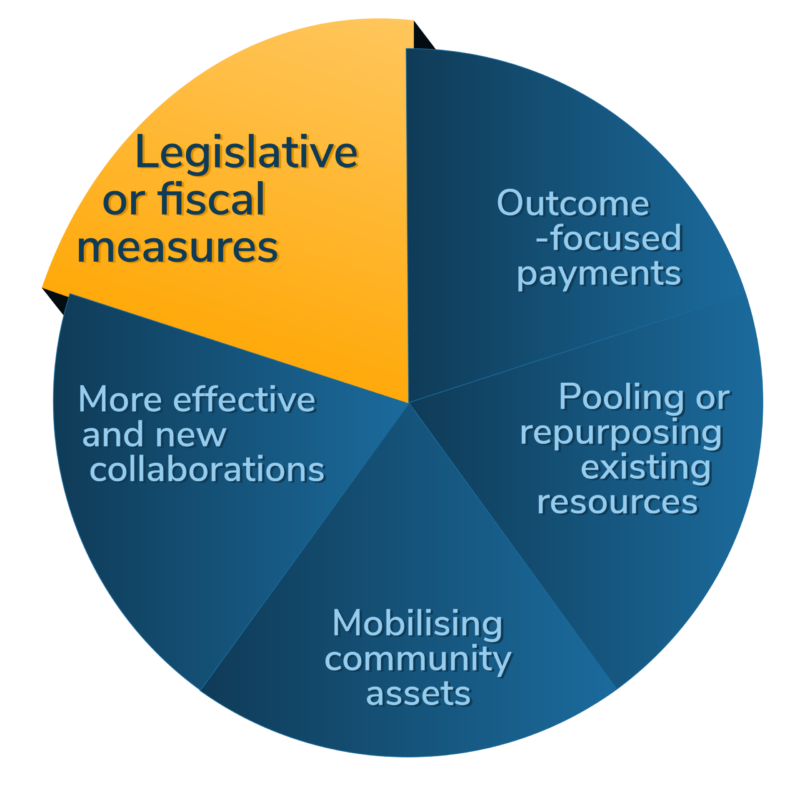
Childhood obesity policies across Europe use a mix of public investment, fiscal measures, and cross-sectoral funding to address rising rates of overweight and obesity among children. Through interventions such as sugar taxes, national prevention programmes, and community-based initiatives, governments aim to both reduce unhealthy consumption and reinvest revenues into health promotion. These actions contributed to the stabilisation or decline of obesity rates in several European countries.
Context and problems addressed
Childhood obesity poses a growing public health challenge across the WHO European Region, with the highest rates of childhood overweight and obesity globally. Beyond health consequences, obesity generates substantial long-term costs for healthcare systems and a wider society due to increased risks of non-communicable diseases. Despite commitments to halt the rise in childhood obesity by 2025, many countries are off-track. In response, the WHO Commission on Ending Childhood Obesity (ECHO) recommended six key policy areas for governments to implement comprehensive strategies addressing these complex drivers.
Intervention and financing model
The review outlines national and local policy actions from across Europe aligned with ECHO’s six recommended areas: healthy food environments, physical activity promotion, preconception and pregnancy care, early childhood health, school-based health promotion, and weight management services. Countries have implemented a range of financing approaches, combining regulatory, fiscal, and programmatic investments to address those issues.
A key fiscal measure has been the use of health taxes, particularly on sugar-sweetened beverages. Countries such as Portugal, Hungary and the United Kingdom introduced such taxes both to discourage consumption and to generate public revenue. In the UK and Hungary, revenues have been partially reinvested into health promotion programmes, creating a dual financial and behavioural impact. Hungary implemented a broader public health product tax, further expanding the fiscal base for prevention.
In parallel, governments have financed national strategies and prevention programmes through public budgets. For example, France funds its National Nutrition and Health Programme (PNNS), while Portugal supports an integrated strategy for healthy eating involving multiple ministries. These approaches rely on sustained public investment and coordination across sectors such as health, education, and agriculture.
At the local level, municipalities have mobilised blended and cross-sectoral funding. The Amsterdam Healthy Weight Programme in the Netherlands combines municipal budgets with national support and in-kind contributions from local partners. Similarly, countries such as Ireland and Italy have financed community-based, family-centred interventions on weight management through public health systems.
Additional investments have been made in infrastructure and enabling environments, such as active transport and school-based programmes, often funded through a mix of national budgets, EU funding streams, and local authority resources.
Private sector involvement has primarily occurred through regulatory frameworks rather than direct co-financing. Governments have introduced measures such as sugar-sweetened beverage taxes, mandatory product reformulation, and restrictions on marketing to children, which impose financial and operational constraints on industry actors. While these measures generate public revenue and incentivise healthier product offerings, they do not constitute voluntary private investment in prevention, and dedicated co-financing arrangements between the public and private sectors remain limited.
Health taxes, particularly on sugar-sweetened beverages, are used both to discourage unhealthy consumption and to generate revenue for health promotion.
Key outcomes and associated measurements
Fiscal measures, particularly sugar taxes, have demonstrated both behavioural and financial effects. In Portugal, reduced consumption of sugary drinks has been observed alongside increased public revenues, with modelling suggesting a reduction in future obesity-related costs. Similarly, the UK reported product reformulation and decreased sugar content in beverages following taxation.
Countries combining sustained public investment with comprehensive strategies, such as Portugal, Slovenia, and Ireland, have reported stabilisation or declines in childhood obesity rates in WHO monitoring data. These outcomes suggest that long-term, coordinated financing is more effective than isolated or short-term funding initiatives.
However, important challenges remain. Many interventions lack dedicated, long-term funding streams and rely on fragmented budgets. Earmarking tax revenues for health promotion remains inconsistent, limiting opportunities for reinvestment. While there is strong evidence that many prevention and health promotion interventions are cost-effective, economic evaluations are not yet systematically conducted or widely available, which can make it more challenging to fully demonstrate their value and inform strategic resource allocation.
Related case studies

Hungarian public health product tax

The Sugar Sweetened Drinks Tax in Ireland

National strategy: Promoting healthy lifestyles and financing prevention in the Netherlands
About EuroHealthNet
Building a healthier future for all by addressing the determinants of health and reducing inequalities.
EuroHealthNet is the Partnership of public health agencies and organisations building a healthier future for all by addressing the determinants of health and reducing inequalities. Our focus is on preventing disease and promoting good health by looking within and beyond the health system.
Structuring our work over a policy, a practice, and a research platform, we focus on exploring and strengthening the links between these areas.
Our approach focuses on integrated concepts to health, reducing health inequality gaps and gradients, working on determinants across the life course, whilst contributing to the sustainability and wellbeing of people and the planet.

EuroHealthNet is co-funded by the European Union. However, the information and views set out on this website are those of the author and do not necessarily reflect the official opinion of the European Commission. The Commission does not guarantee the accuracy of the data included on this website. Neither the Commission nor any person acting on the Commission's behalf may be held responsible for the use which may be made of the information contained therein.