



The Prevention Act in Germany

Case study
Germany
Legislative or fiscal measures
The Prevention Act in Germany represents a coordinated, multi-sector approach to advancing health promotion and disease prevention nationwide. By bringing together social insurance institutions, government bodies, and regional partners under a shared national strategy, the Act strengthens collaboration across settings such as schools, workplaces, and communities. It establishes common goals, dedicated funding, and institutional frameworks to support long-term improvements in population health and equity.
Context and problems addressed
In 2015, the German parliament passed the Health Equity and Public Health Act (“the Prevention Act”, Präventionsgesetz – PrävG) which aims to reduce socially determined health inequalities and to improve coordination between actors which can promote and enable good health. It is an ambitious policy development that provides a framework for preventive measures in various settings and offers potential lessons for similar models elsewhere.
Intervention and financing model
The Prevention Act is an innovative mechanism to improve health equity as it includes actors from both within and outside the health sector. Guided by the national prevention strategy, German social insurance institutions work together with regional authorities and the Federal Employment Agency to agree on ways of cooperation in health promotion in schools, companies, day-care centres and other settings.
The Act expanded the inovlement of statutory health insurance, pension insurance and accident insurance, social nursing insurance and private health insurance companies.
The Act clearly specified a mandate of statutory health insurance, established a common understanding of disease prevention and health promotion and facilitates setting common goals. The National Prevention Conference (NPK) was set up to develop and update a National Prevention Strategy. The social insurance institutions, together with the federal government, the federal states, the municipalities, the Federal Employment Agency and other the social partners set common goals and agree on a common approach.
Since 2016, health insurance funds are obliged to support the establishment and strengthening of health-promotion structures with 7 € per insured person, about € 500m in total. These funds are used to implement initiatives in a variety of settings, including nurseries, schools, enterprises, and municipal communities. National Framework Agreements have been concluded in all 16 federal states, with the vast majority of negotiating partners reporting satisfaction with implementation progress.
Since 2016, health insurance funds are obliged to support the establishment and strengthening of health-promotion structures with 7 € per insured person, about € 500m in total.
Key outcomes and associated measurements
In June 2019, the Federal Minister of Health received the first NPK prevention report which gave an overview of the achieved goals set in the prevention strategy. Part of the evaluation was conducted against four commitments: to grow up healthy, to healthy living and working, to being healthy in old age, and to reducing unequal health opportunities.
The report found that children, adolescents, and families were frequently reached, with activities focused on health literacy, nutrition, physical activity, mental health, and resilience. Long-term care insurance targeted residents of inpatient care institutions, while private health insurers and other actors reached people in communities, focusing on health literacy, disease prevention, and accident prevention.
Notably, 40% of health insurance commitments occurred in “social hot spots,” and 10% in enterprises with a high proportion of employees without completed vocational training.
As of today, the Prevention Act is still in force.
Publications
- For more information about the Prevention Act, read this article about the links between employment and health promotion in EuroHealthNet Magazine.
Related case studies

Social Enterprise and Health and Well-being Impacts

Health insurance funds – Combined Lifestyle Interventions in the Netherlands

Het Beweeghuis (“The Movement House”): An integrated movement-care network for musculoskeletal health
About EuroHealthNet
Building a healthier future for all by addressing the determinants of health and reducing inequalities.
EuroHealthNet is the Partnership of public health agencies and organisations building a healthier future for all by addressing the determinants of health and reducing inequalities. Our focus is on preventing disease and promoting good health by looking within and beyond the health system.
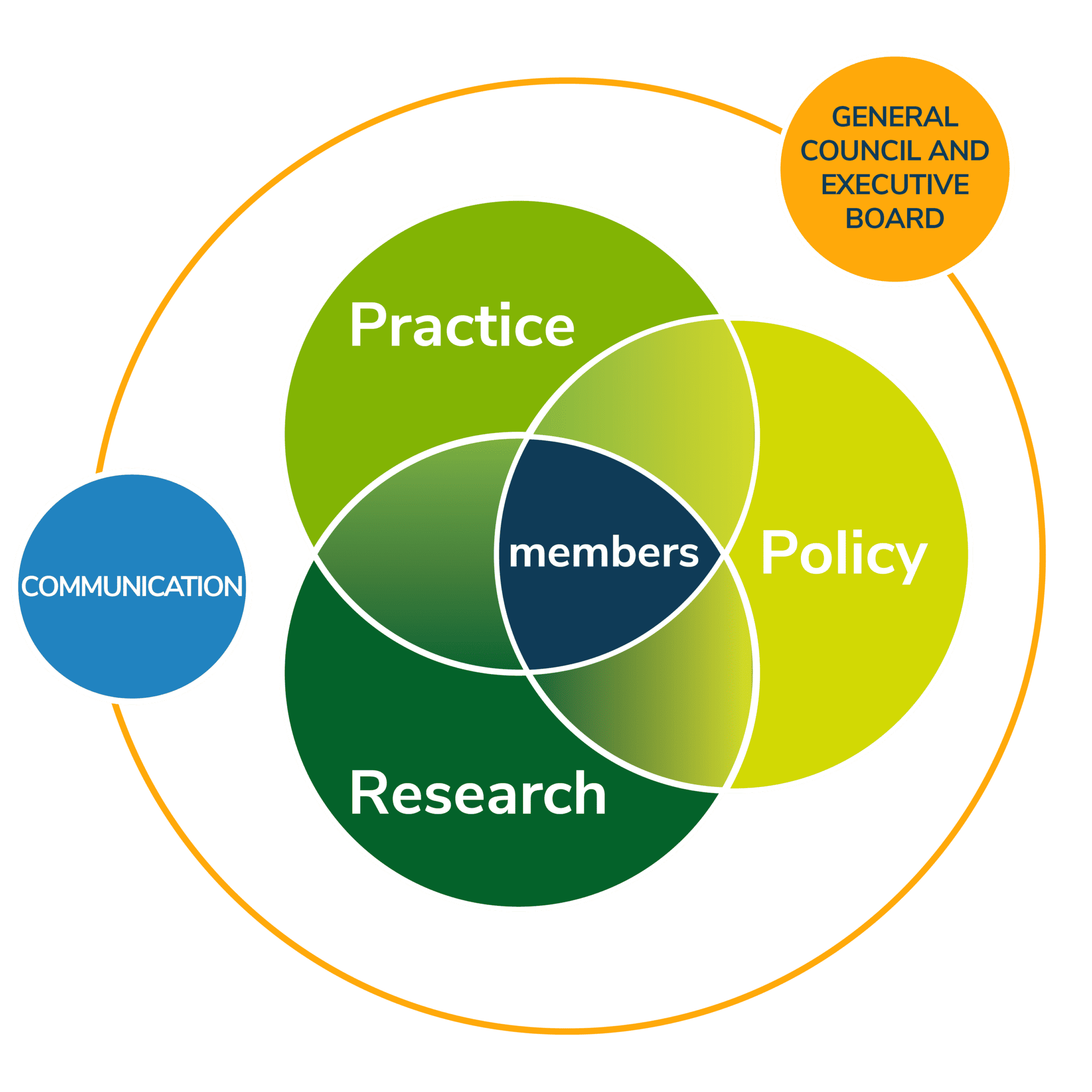
Structuring our work over a policy, a practice, and a research platform, we focus on exploring and strengthening the links between these areas.
Our approach focuses on integrated concepts to health, reducing health inequality gaps and gradients, working on determinants across the life course, whilst contributing to the sustainability and wellbeing of people and the planet.
EuroHealthNet is co-funded by the European Union. However, the information and views set out on this website are those of the author and do not necessarily reflect the official opinion of the European Commission. The Commission does not guarantee the accuracy of the data included on this website. Neither the Commission nor any person acting on the Commission's behalf may be held responsible for the use which may be made of the information contained therein.