



Social impact bonds finance the Activate program in Canada

Case study
Canada
Social impact bonds
The Activate program is a Canadian initiative developed to prevent high blood pressure among adults. Funded through a social impact bond, the initiative secures upfront funding from private, philanthropic investors, enabling the Public Health Agency of Canada to repay based on the programme’s results.
Context and problems addressed
Without intervention, half of pre-hypertensive Canadians over 60 develop hypertension within four years. Given that heart disease and stroke are leading causes of death in Canada, responsible for over 66,000 deaths annually, and that hypertension is a major risk factor, prevention is critical.
In response, the Activate program was developed to prevent high blood pressure among adults aged 40+ who are pre-hypertensive, not diabetic, and not on medication. At the same time, it serves to evaluate the effectiveness of preventive interventions, with success defined as maintaining or reducing blood pressure levels.
To deliver and assess this approach, the programme brings together key partners: it is led by the Heart & Stroke Foundation of Canada in collaboration with the MaRS Centre for Impact Investing, supported by Canada’s Public Health Agency, and independently evaluated by the Social Research and Demonstration Corporation (SRDC).
Intervention and financing model
The Activate program is funded through a pay-for-success model, also known as a social impact bond. In this approach, the Heart & Stroke Foundation of Canada, working with the MaRS Centre for Impact Investing, secures upfront funding from private, philanthropic investors. The Public Health Agency of Canada then repays these investors based on the programme’s results, making this one of the first large-scale applications of this model in chronic disease prevention in Canada.
Delivery relies on a broad partnership of organisations. NexJ Health provides the digital platform and, together with the University of Ottawa Heart Institute, delivers health coaching. Community partners such as Shoppers Drug Mart (a retail pharmacy chain in Canada), Loblaw (a major grocery and retail supermarket company), and the YMCA (a non-profit community organization offering fitness, youth programs, and social services) support participant recruitment and programme delivery, with the YMCA also offering free memberships and community activities.
Under this model, investor returns depend on performance, particularly participant numbers and improvements in blood pressure. Payments are made in stages, meaning final returns are only determined once programme outcomes are fully assessed.
Although funded by the federal government, outcome payments are not drawn from existing healthcare budgets; the programme is driven by the federal innovation agenda, reflecting its scalability and potential impact.
Key outcomes and associated measurements
Although funded by the federal government, outcome payments are not drawn from existing healthcare budgets; the programme is driven by the federal innovation agenda, reflecting its scalability and potential impact. This is important in Canada, where most healthcare spending is provincial, but prevention is federally funded.
Quality assurance relies on three mechanisms: clear outcome targets under the social impact bond (7,000 participants in Toronto and Vancouver and stable blood pressure over six months), oversight by a stakeholder project board with regular updates, and independent data validation by SRDC before payments are issued.
In its first year, the programme exceeded both targets, enrolling over 500 participants and achieving an average 5 mmHg reduction in systolic blood pressure.
Related case studies
- All
- Social impact bond

Portugal’s projeto família social impact bond

The Skill Mill, United Kingdom

The Newpin Programme
About EuroHealthNet
Building a healthier future for all by addressing the determinants of health and reducing inequalities.
EuroHealthNet is the Partnership of public health agencies and organisations building a healthier future for all by addressing the determinants of health and reducing inequalities. Our focus is on preventing disease and promoting good health by looking within and beyond the health system.
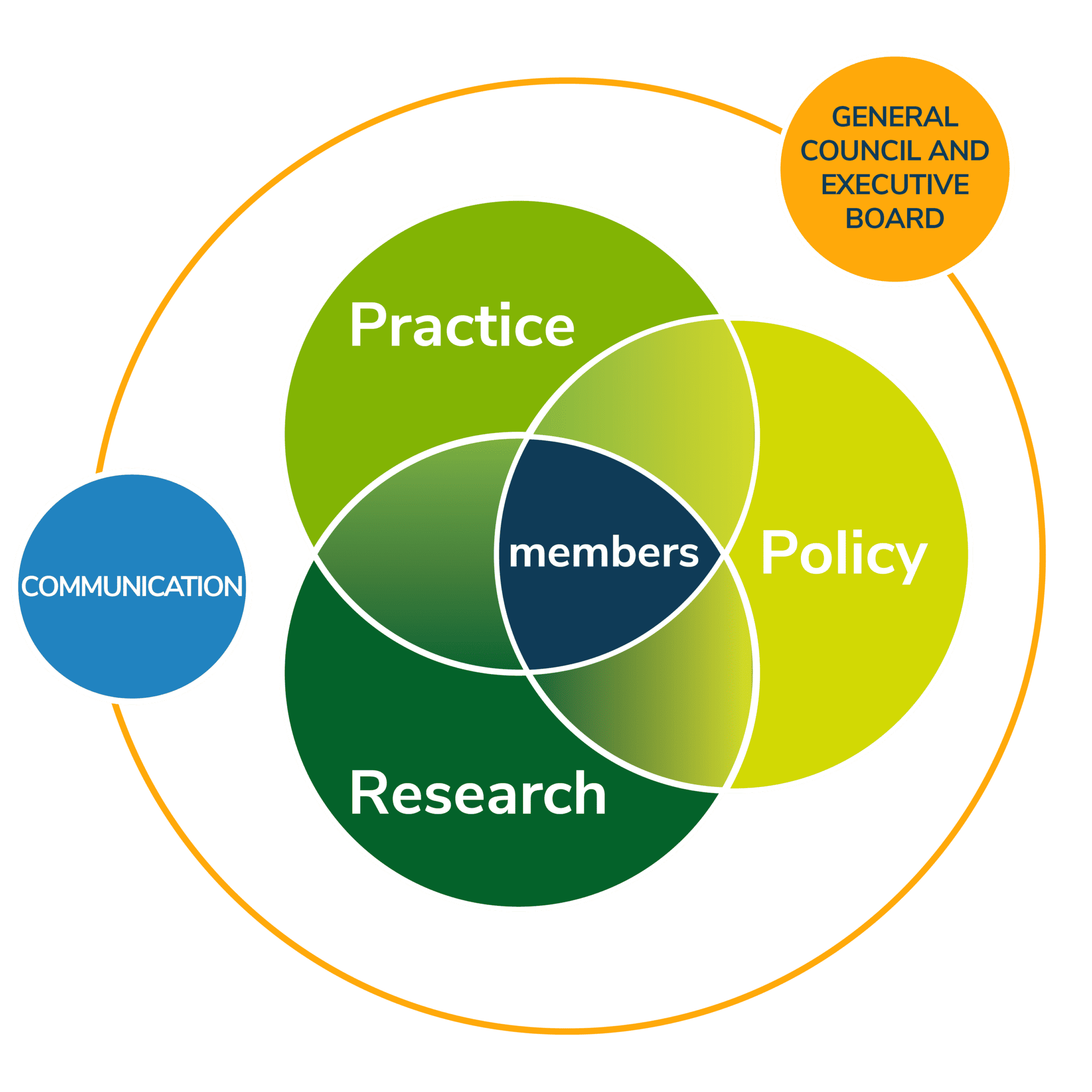
Structuring our work over a policy, a practice, and a research platform, we focus on exploring and strengthening the links between these areas.
Our approach focuses on integrated concepts to health, reducing health inequality gaps and gradients, working on determinants across the life course, whilst contributing to the sustainability and wellbeing of people and the planet.

EuroHealthNet is co-funded by the European Union. However, the information and views set out on this website are those of the author and do not necessarily reflect the official opinion of the European Commission. The Commission does not guarantee the accuracy of the data included on this website. Neither the Commission nor any person acting on the Commission's behalf may be held responsible for the use which may be made of the information contained therein.