



The Brabant Outcomes Fund
Scaling social entrepreneurship in the Netherlands

Case study
Netherlands
Social impact / outcome fund
The Brabant Outcomes Fund in the Netherlands supports social enterprises in scaling their impact through Social Outcomes Contracting. Investors provide working capital to initiatives addressing societal challenges, and the provincial government repays them when agreed social outcomes such as job creation, empowerment, and social inclusion are achieved.
Context and problems addressed
The province of Noord-Brabant in the Netherlands faced challenges in scaling up social entrepreneurship initiatives that addressed societal issues but struggled with securing growth capital, fitting their intergrated approach within the compartmentalised government structures, and receiving sufficient appreciation for creating multiple social values. These challenges hindered the ability of social entrepreneurs to make a broader impact.
Intervention and financing model
To tackle these three key issues, the provincial government of Noord-Brabant launched The Brabant Outcomes Fund (BOF) in 2018. The fund focused on selecting social enterprises that could scale up their impact while contributing to multiple policy domains, particularly those aligned with the SDGs.
The provincial government cooperated with three impact investors and signed outcomes contracts with four entrepreneurs who work on addressing important societal problems in the region of Noord-Brabant in the Netherlands.
One specific example of a successful intervention under the BOF is “Stichting Sarban de Toekomst”, which operates restaurants offering training and job opportunities to refugees facing challenges in accessing the labor market, contributing to SDG 8 (decent work for all) and SDG 10 (reduced inequalities). The business provided refugees with work experience and training, leading to over 80% of participants finding stable employment within six months. This intervention not only created jobs but also fostered social inclusion and empowerment.
Outcomes funds allow the funding of multiple SOC projects under one structure to accelerate growth, generate economies of scale and maximise learning.
If the agreed qualitative and quantitative results have been achieved, the provincial government will repay the working capital to the investors
Key outcomes and associated measurements
Related case studies

Tackling unemployment and social exclusion among immigrants in Finland (Koto-SIB)

ADIE’s social impact contract

France’s hémisphère social impact bond
About EuroHealthNet
Building a healthier future for all by addressing the determinants of health and reducing inequalities.
EuroHealthNet is the Partnership of public health agencies and organisations building a healthier future for all by addressing the determinants of health and reducing inequalities. Our focus is on preventing disease and promoting good health by looking within and beyond the health system.
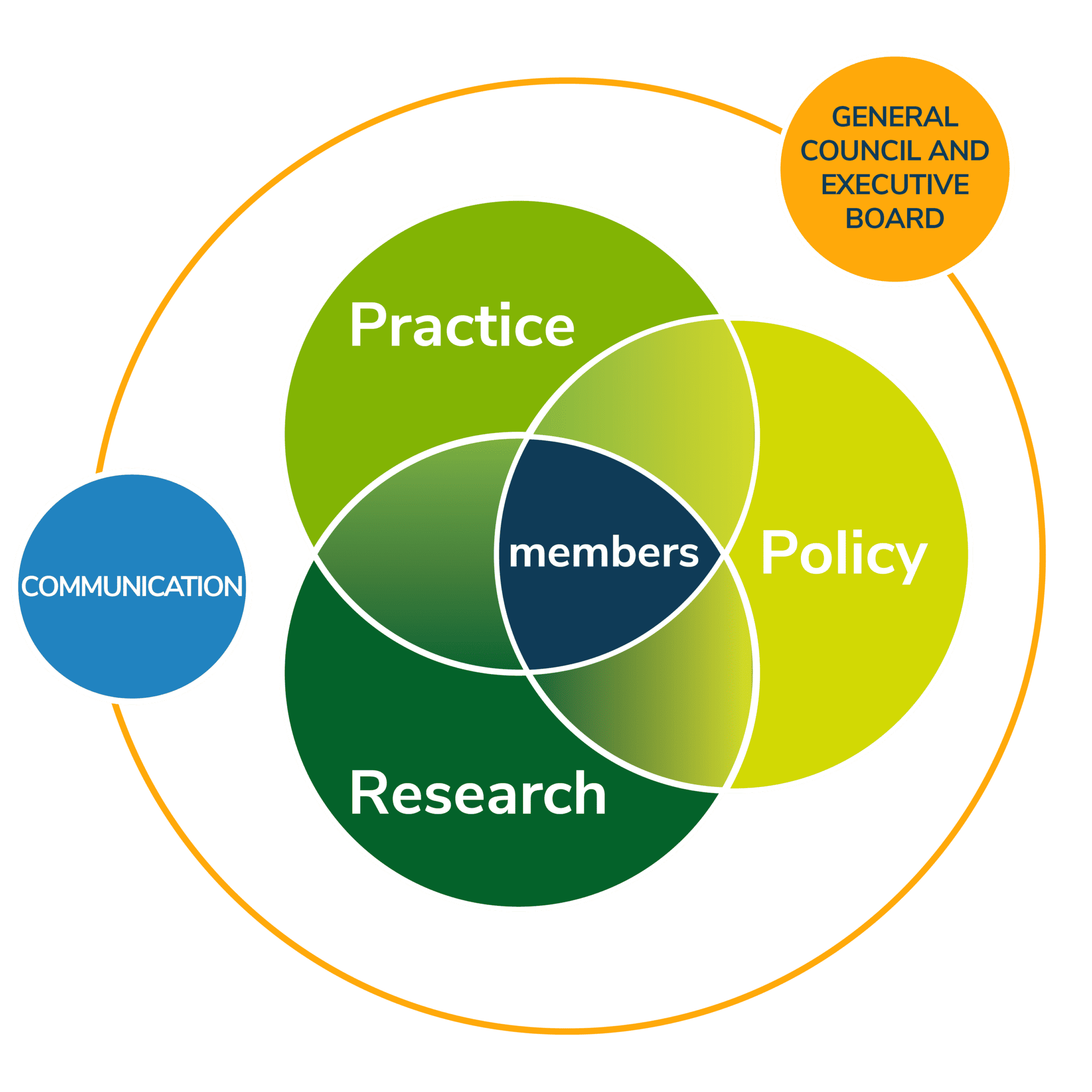
Structuring our work over a policy, a practice, and a research platform, we focus on exploring and strengthening the links between these areas.
Our approach focuses on integrated concepts to health, reducing health inequality gaps and gradients, working on determinants across the life course, whilst contributing to the sustainability and wellbeing of people and the planet.
EuroHealthNet is co-funded by the European Union. However, the information and views set out on this website are those of the author and do not necessarily reflect the official opinion of the European Commission. The Commission does not guarantee the accuracy of the data included on this website. Neither the Commission nor any person acting on the Commission's behalf may be held responsible for the use which may be made of the information contained therein.