



Tackling unemployment and social exclusion among immigrants in Finland (Koto-SIB)

Case study
Finland
Social Impact Bond (SIB)
Finland tackles immigrant unemployment and integration costs with the Koto-SIB, a pioneering Social Impact Bond. By matching migrants with employers in logistics, IT, and cleaning—and tying investor returns to fiscal savings from reduced benefits and higher tax revenues—the 2015–2019 pilot aimed to place 2,500 immigrants in jobs. Success is measured in lower welfare spending and increased tax contributions, proving that results-based financing can turn integration challenges into shared economic gains.
Context and problems addressed
A three-year pilot Koto-SIB for the employment of immigrants kicked off in 2015, as a response of the Finnish government to unprecedented global displacement crisis that hit its peak in 2015.
While Finland’s welfare system provides comprehensive support to asylum seekers and beneficiaries of international protection, persistent disparities remain between migrants and native-born Finns in terms of labour market participation, contributing to higher unemployment levels and increased public expenditure on social benefits. These challenges have raised concerns regarding long-term integration outcomes, fiscal sustainability and social cohesion.
Intervention process is a match making service between an immigrant and labour market. The personalised search for organisations which are in need of employees starts with looking into sectors like logistics, cleaning, IT and entrepreneurship and ends with ensuring that the commitment from both, immigrant and the workplace is achieved.
Intervention and financing model
The project is financed through a Social Impact Bond (SIB), a results-based financing mechanism that mobilises private capital to fund innovative social interventions. Under this model, private investors provide upfront funding for service delivery, and the government repays the investment only if predefined outcomes are achieved. In the case of Koto-SIB, payments are linked to measurable fiscal savings generated through accelerated labour market integration of immigrants.
The Ministry of Economic Affairs and Employment selected a programme manager following a public procurement. In the Finnish SIB structure, the Project/Fund Manager is not only in charge of establishing the Fund (Limited partnership) and raise the capital to the fund, but also to choose the best possible service providers and coordinate everyday operation in practice.
The intervention lasted for three years (2017-2019) followed by another three years of follow-up period. The expected return on investments was between 5% and 8%, and it aimed to provide jobs for 2,500 migrants over the course of the implementation period. In practical terms, private investors bear almost all the financial risk, since the government pays to the fund only a very low compensation based on implemented legal services and the major part of bonus is based on outcomes.
The hypothesis was that immigrants participating in the programme (the treatment group) will rely less on unemployment benefits and contribute more to income taxes compared to a control group. This should result in savings for the government, who commits to repay 50% of the verified net savings generated through reduced benefit payments and increased tax revenues directly to the investors.
Private investors provide upfront funding for service delivery, and the government repays the investment only if predefined outcomes are achieved.
Key outcomes and associated measurements
From the Government’s perspective, the overall and sustainable success of the programme is assessed through two primary indicators:
- Reduction in labour market benefits paid to unemployed individuals
- Increase in income tax revenues
Together, these indicators provide a proxy measure of employment outcomes, which are considered a key factor in promoting social integration, economic participation, and improved quality of life for participants.
Measurement methodology
The programme uses a randomised controlled trial (RCT) methodology to assess its impact.
- Savings in unemployment security costs are calculated by comparing unemployment benefit claims between the treatment group (programme participants) and a control group that did not receive the intervention.
- Increased tax revenues are measured as the difference in income tax payments between participants and the control group over the same period.
This methodology allows the programme to isolate the impact of the intervention and provide a basis for outcome-based payments.
A total of 2,200 immigrants participated in the Koto-SIB programme. Approximately 1,100 participants had secured employment by October 2020. Around 1,700 participants completed more than 70 days of training, which served as a key performance metric within the project. More than half of those who completed the training subsequently obtained employment, indicating positive labour market outcomes during the early stages of implementation.
Publications
Related case studies

Fair chance fund

France’s hémisphère social impact bond

The Newpin Programme
About EuroHealthNet
Building a healthier future for all by addressing the determinants of health and reducing inequalities.
EuroHealthNet is the Partnership of public health agencies and organisations building a healthier future for all by addressing the determinants of health and reducing inequalities. Our focus is on preventing disease and promoting good health by looking within and beyond the health system.
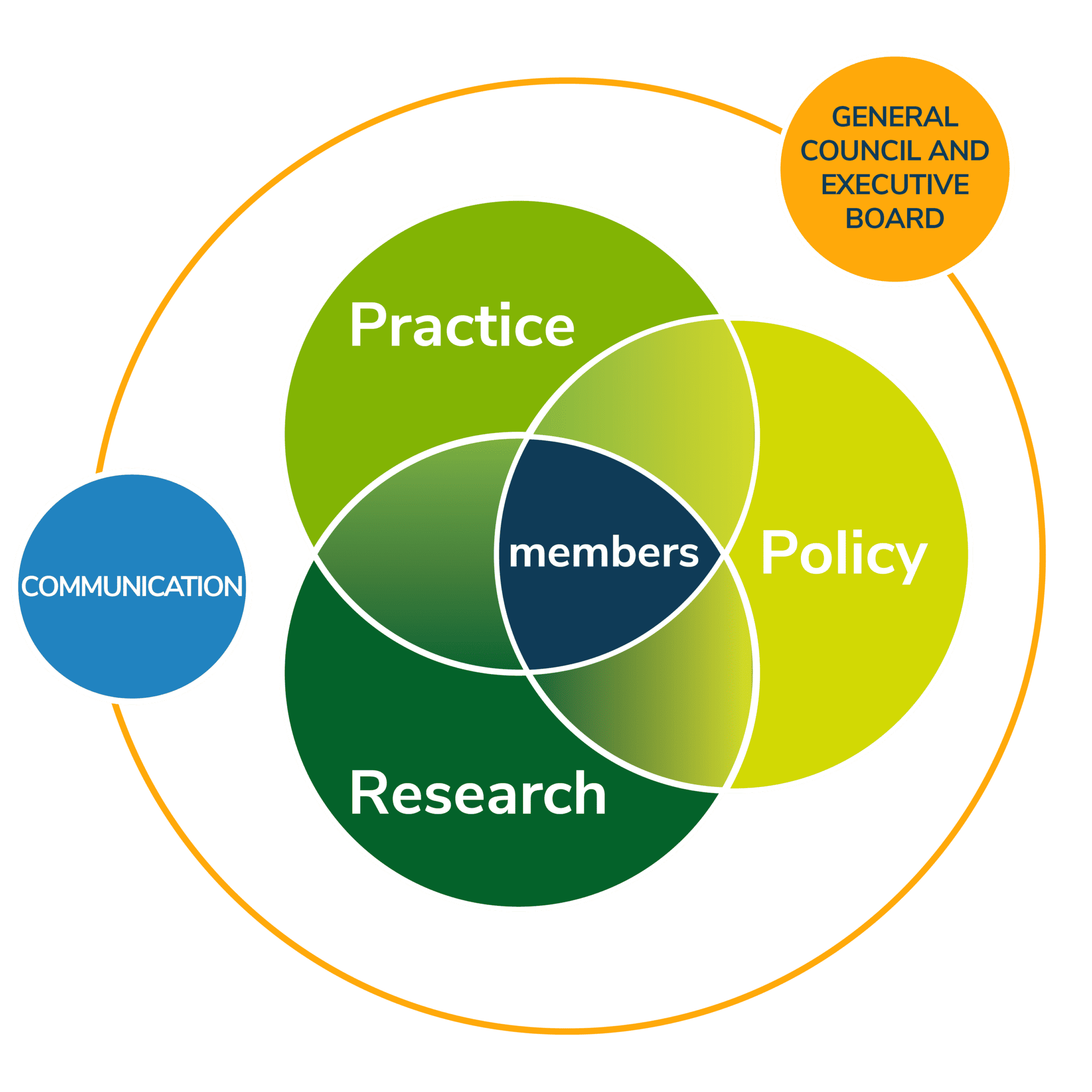
Structuring our work over a policy, a practice, and a research platform, we focus on exploring and strengthening the links between these areas.
Our approach focuses on integrated concepts to health, reducing health inequality gaps and gradients, working on determinants across the life course, whilst contributing to the sustainability and wellbeing of people and the planet.

EuroHealthNet is co-funded by the European Union. However, the information and views set out on this website are those of the author and do not necessarily reflect the official opinion of the European Commission. The Commission does not guarantee the accuracy of the data included on this website. Neither the Commission nor any person acting on the Commission's behalf may be held responsible for the use which may be made of the information contained therein.